High Blood Pressure Medicine 

High blood pressure medicine helps lower blood pressure and reduce the strain placed on the heart and blood vessels. These medicines are also called antihypertensive medications and are available in several drug classes that work in different ways. 

Common blood pressure medicines include ACE inhibitors, angiotensin II receptor blockers (ARBs), calcium channel blockers, diuretics, and beta-blockers. Some people need one medicine, while others may need two or more medicines to reach their blood pressure goal. 

Blood Pressure Medication at a Glance 

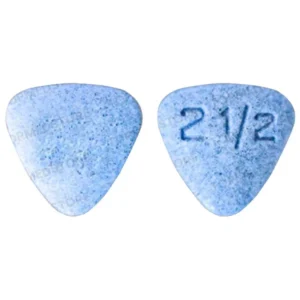
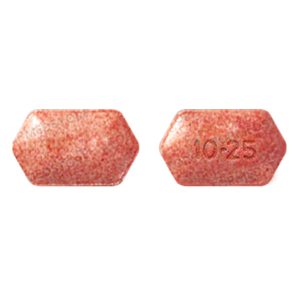
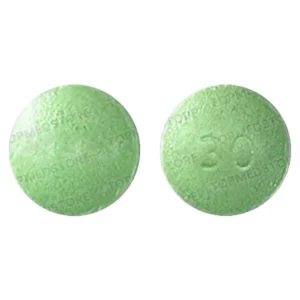
Blood pressure medication is prescribed to help lower high blood pressure, also known as hypertension. Many of these medicines are available as oral pills or tablets, while some treatment plans use combination tablets containing more than one medicine. 

Common types include: 

Medicine Class Common Examples Common Form 
ACE inhibitors Lisinopril, Enalapril, Ramipril Tablet 
ARBs Losartan, Valsartan, Telmisartan Tablet 
Calcium channel blockers Amlodipine, Nifedipine, Diltiazem Tablet 
Diuretics Hydrochlorothiazide, Chlorthalidone, Furosemide Tablet 
Beta-blockers Metoprolol, Atenolol, Bisoprolol Tablet 

The most suitable BP medicine depends on a person’s blood pressure, other health conditions, current medicines, and treatment needs. Some people may need a combination of medicines to control their blood pressure. 

How Does High Blood Pressure Medicine Work? 

Different hypertension medicines lower blood pressure through different mechanisms. Some relax blood vessels, some slow the heart, and others help the body remove extra sodium and fluid. 

Depending on the medicine, it may: 

  • Relax and widen blood vessels 
  • Reduce the amount of fluid and sodium in the body 
  • Slow the heart rate 
  • Reduce the force with which the heart pumps 
  • Block hormones that cause blood vessels to narrow 
  • Reduce resistance in the arteries 

Because these medicines work differently, a healthcare professional may prescribe more than one type. Combination treatment can also be available as a single blood pressure pill containing two medicines. 

Common Types of Blood Pressure Medicine 

There are several classes of high blood pressure medications. Each class works in a different way and may be selected based on a person’s individual medical needs. 

ACE Inhibitors 

ACE inhibitors help blood vessels relax by reducing the production of angiotensin II, a substance that causes blood vessels to narrow. 

Common ACE inhibitor medicines include: 

  • Lisinopril 
  • Enalapril 
  • Ramipril 
  • Captopril 
  • Benazepril 
  • Perindopril 

ACE inhibitors are commonly used to treat high blood pressure and may also be useful in people with certain heart or kidney conditions. 

Angiotensin II Receptor Blockers (ARBs) 

ARBs work by blocking the action of angiotensin II. This helps blood vessels remain more relaxed and can lower blood pressure. 

Common ARB medicines include: 

  • Losartan 
  • Valsartan 
  • Telmisartan 
  • Irbesartan 
  • Olmesartan 
  • Candesartan 
  • Azilsartan 

ARBs are an important group of hypertension drugs and may be used when an ARB is considered more suitable for a patient. 

Calcium Channel Blockers 

Calcium channel blockers help relax blood vessels by affecting the movement of calcium into certain heart and blood vessel cells. Some medicines in this group can also slow the heart rate. 

Common calcium channel blockers include: 

  • Amlodipine 
  • Nifedipine 
  • Diltiazem 
  • Verapamil 
  • Felodipine 
  • Nicardipine 

Amlodipine is one of the commonly prescribed blood pressure tablets in this class. 

Diuretics 

Diuretics, often called water pills, help the kidneys remove excess sodium and water from the body through urine. This can reduce the amount of fluid circulating in the bloodstream and help lower blood pressure. 

Common diuretics include: 

  • Hydrochlorothiazide 
  • Chlorthalidone 
  • Indapamide 
  • Furosemide 
  • Torsemide 
  • Spironolactone 

Thiazide-type diuretics are among the commonly recommended medication options for treating hypertension. 

Beta-Blockers 

Beta-blockers can reduce the heart rate and the force of the heart’s contractions. This can lower blood pressure and reduce the heart’s workload. 

Common beta-blockers include: 

  • Metoprolol 
  • Atenolol 
  • Bisoprolol 
  • Carvedilol 
  • Propranolol 
  • Nebivolol 
  • Labetalol 

Beta-blockers may be particularly useful when high blood pressure occurs alongside certain heart conditions. 

Other Blood Pressure Medications 

Some people may need other antihypertensive medicines when their blood pressure is not adequately controlled with commonly used classes or when another medical condition affects the choice of treatment. 

Other classes include: 

  • Alpha-blockers 
  • Central alpha-2 agonists 
  • Direct vasodilators 
  • Mineralocorticoid receptor antagonists 

Examples include doxazosin, clonidine, methyldopa, hydralazine, spironolactone, and eplerenone. 

These medicines are not appropriate for everyone, so the choice depends on the person’s medical history and treatment plan. 

Blood Pressure Pills and Tablets 

Many blood pressure pills are taken by mouth once or more times a day, depending on the medicine and prescribed dose. Tablets may contain one active ingredient or combine two different blood pressure medicines. 

Common oral blood pressure tablets include: 

  • Lisinopril tablets 
  • Losartan tablets 
  • Valsartan tablets 
  • Amlodipine tablets 
  • Hydrochlorothiazide tablets 
  • Metoprolol tablets 
  • Atenolol tablets 
  • Chlorthalidone tablets 

Combination BP tablets may contain two blood pressure medicines in a single pill. This can simplify treatment for people who need more than one medication. 

Combination Blood Pressure Medication 

Some people need more than one medicine to control high blood pressure. Instead of taking separate pills, a healthcare professional may prescribe a combination blood pressure medication containing two or more active ingredients. 

Examples can include combinations involving: 

  • An ACE inhibitor and a calcium channel blocker 
  • An ARB and a calcium channel blocker 
  • An ARB and a diuretic 
  • An ACE inhibitor and a diuretic 

Combination treatment is selected according to individual blood pressure levels, medical conditions, and response to treatment. 

High Blood Pressure Medicine Side Effects 

Like other medicines, blood pressure medications can cause side effects. The effects depend on the specific medicine and its drug class. 

Possible side effects may include: 

  • Dizziness 
  • Headache 
  • Tiredness 
  • Low blood pressure 
  • Increased urination 
  • Swelling in the ankles or legs 
  • Changes in heart rate 
  • Electrolyte changes 

Some ACE inhibitors may cause a persistent dry cough, while diuretics can increase urination. Calcium channel blockers such as amlodipine may cause swelling in the lower legs or ankles. The side effects of beta-blockers can include tiredness and a slower heart rate. 

Do not stop taking a blood pressure medicine or change the dose without speaking with your healthcare professional. 

FAQs About High Blood Pressure Medicine 

What is high blood pressure medicine used for? 

High blood pressure medicine is used to lower elevated blood pressure and help reduce the strain on the heart and blood vessels. Different medicines work in different ways. 

What are the most common blood pressure medications? 

Common classes include ACE inhibitors, ARBs, calcium channel blockers, diuretics, and beta-blockers. Examples include lisinopril, losartan, amlodipine, hydrochlorothiazide, and metoprolol. 

What are blood pressure pills? 

Blood pressure pills are oral medicines used to lower high blood pressure. They may contain one active ingredient or combine two blood pressure medicines in one tablet. 

Are blood pressure medicine and hypertension medication the same? 

Yes. Blood pressure medicine, blood pressure medication, and hypertension medication are commonly used terms for medicines that help lower high blood pressure. 

What is the most common medicine for high blood pressure? 

There is no single medicine that is best for everyone. Commonly used first-line classes include thiazide-type diuretics, ACE inhibitors, ARBs, and calcium channel blockers. The appropriate choice depends on individual health needs. 

What are water pills for blood pressure? 

Water pills are another name for diuretics. They help the kidneys remove excess sodium and water from the body, which can help lower blood pressure. 

Can you take more than one blood pressure medicine? 

Yes. Some people need two or more blood pressure medications to reach their treatment goal. Combination tablets can place more than one medicine into a single pill. 

What is the difference between ACE inhibitors and ARBs? 

Both medicines affect the renin-angiotensin system and help blood vessels stay more relaxed. ACE inhibitors reduce the production of angiotensin II, while ARBs block angiotensin II from acting on its receptor. 

Are blood pressure medicines available as tablets? 

Yes. Many hypertension medicines are available as oral tablets, including lisinopril, losartan, valsartan, amlodipine, hydrochlorothiazide, and metoprolol. 

Can blood pressure medication be stopped when blood pressure becomes normal? 

Normal blood pressure while taking medication does not necessarily mean the medicine is no longer needed. Blood pressure treatment should not be stopped or changed without guidance from a healthcare professional. 

High Blood Pressure Medicine Resources 

Explore more medicine-focused information about hypertension treatment: 

  • ACE Inhibitors: Learn about medicines such as lisinopril, enalapril, and ramipril. 
  • ARBs: Explore medicines such as losartan, valsartan, and telmisartan. 
  • Calcium Channel Blockers: Learn about amlodipine, nifedipine, and other medicines in this class. 
  • Diuretics: Find information about water pills such as hydrochlorothiazide and chlorthalidone. 
  • Beta-Blockers: Explore medicines such as metoprolol, atenolol, and bisoprolol. 
  • Blood Pressure Tablets: Learn about commonly prescribed oral hypertension medicines. 
  • Combination Blood Pressure Medicines: Explore tablets containing more than one blood pressure medication. 

Editorial Sources 

Our high blood pressure medicine content is developed and reviewed using information from recognized medical, regulatory, and scientific sources. 

  • National Library of Medicine (NLM) — Medical literature and evidence used to support medicine-related information. 
  • U.S. Food and Drug Administration (FDA) — Drug approval, labeling, safety, and prescribing information. 

These sources help support accurate, current, and patient-friendly information about high blood pressure medicine and hypertension medication. 

Disclaimer 

This content is provided for general informational purposes only and should not replace professional medical advice, diagnosis, or treatment. Blood pressure medicines should be used only as directed by a qualified healthcare professional. Speak with your doctor or pharmacist before starting, stopping, or changing any medication. 

Showing 1–12 of 64 resultsSorted by price: low to high