Acne Medicine

Acne medicine includes topical and oral medications used to manage pimples, blackheads, whiteheads, clogged pores, and inflammatory acne. The right acne medication depends on the type and severity of acne, where it appears, and how the skin responds to treatment.

Acne medicines are available as creams, gels, lotions, ointments, pills, and tablets. Some are available without a prescription, while others require a prescription from a healthcare professional. Common acne medicines include tretinoin, adapalene, benzoyl peroxide, salicylic acid, azelaic acid, clindamycin, doxycycline, and isotretinoin.

Acne Medicine at a Glance

Acne medicine can help control breakouts and reduce the factors that contribute to clogged pores and inflammation. Different medicines target acne in different ways, so one product may work better for one person than another.

Acne medicine typeCommon examplesCommon form
Topical retinoidsTretinoin, adapaleneCream, gel, lotion
Benzoyl peroxideBenzoyl peroxideGel, cream, wash
Salicylic acidSalicylic acidCream, gel, cleanser
Azelaic acidAzelaic acidCream, gel
Topical antibioticsClindamycinGel, lotion, solution
Oral antibioticsDoxycycline, minocyclinePills, capsules
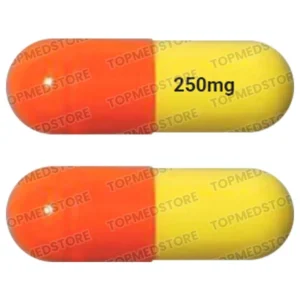
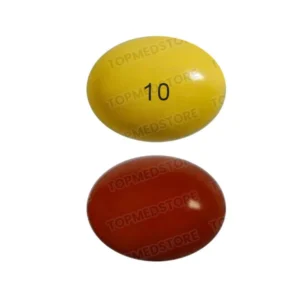
Oral retinoidsIsotretinoinCapsules

Some acne treatments are used alone, while others may be combined to target different parts of the acne process.

What Do Acne Medicines Treat?

Acne medicines are designed to manage different forms of acne rather than simply dry out pimples. Depending on the active ingredient, an acne medication may help clear blocked pores, reduce excess oil, limit acne-causing bacteria, or calm skin inflammation.

Topical acne medicines are commonly applied directly to the affected skin. They may be useful for mild to moderate acne and can come as acne creams, gels, lotions, or other skin products.

Oral acne medications work throughout the body and may be considered when acne is more widespread, severe, or does not improve enough with topical treatment.

Acne medicines may be used for:

  • Pimples
  • Blackheads
  • Whiteheads
  • Clogged pores
  • Inflammatory acne
  • Mild to moderate acne
  • More severe acne
  • Acne that has not responded well to topical treatment

The goal is usually to reduce current breakouts while helping prevent new ones from developing.

How Does Acne Medication Work?

Acne medications work in different ways. The active ingredient determines what part of the acne process the medicine targets.

Retinoids

Retinoids such as tretinoin and adapalene help keep pores from becoming clogged. They increase skin-cell turnover and can help clear existing blocked pores while reducing the formation of new ones.

These medicines are often used as topical acne treatments.

Benzoyl Peroxide

Benzoyl peroxide helps reduce acne-causing bacteria on the skin. It also helps remove excess oil and dead skin cells that can contribute to blocked pores.

It is commonly found in acne gels, creams, washes, and other topical products.

Salicylic Acid

Salicylic acid helps loosen and remove dead skin cells from the surface and inside pores. This can make it useful for blackheads, whiteheads, and clogged pores.

Azelaic Acid

Azelaic acid has antibacterial and anti-inflammatory properties. It can help manage acne and may also help improve dark marks left after some breakouts.

Topical Antibiotics

Clindamycin is a topical antibiotic used to reduce acne-causing bacteria and inflammation. It is generally used as part of a broader acne treatment plan rather than as a long-term antibiotic treatment by itself.

Oral Antibiotics

Medicines such as doxycycline and minocycline can reduce bacteria and inflammation throughout the body. They may be prescribed for inflammatory or more widespread acne when topical medicines alone are not enough.

Isotretinoin

Isotretinoin is an oral retinoid used for certain severe forms of acne or acne that has not responded adequately to other treatments. It has important safety requirements and should only be used under appropriate medical supervision.

Common Types of Acne Medicine

Acne medication can be divided into topical acne medicines and oral acne medicines. The best option depends on the individual acne pattern and treatment needs.

Tretinoin

Tretinoin is a prescription topical retinoid. It helps increase skin-cell turnover and keeps pores from becoming blocked.

Tretinoin acne cream and gel formulations may be used for acne that involves clogged pores, pimples, and other breakouts. It may take several weeks before noticeable improvement occurs.

Adapalene

Adapalene is another topical retinoid used for acne. It helps prevent clogged pores and can reduce the development of new breakouts.

Depending on the product and strength, adapalene may be available without a prescription or as a prescription medicine.

Benzoyl Peroxide

Benzoyl peroxide is a widely used acne medicine available in different strengths and formulations. It helps reduce acne-causing bacteria and can improve inflammatory breakouts.

It is often included in combination acne treatments because it works differently from retinoids.

Salicylic Acid

Salicylic acid is a topical acne ingredient that helps exfoliate the skin and clear clogged pores. It is commonly found in acne cleansers, gels, creams, and other over-the-counter products.

It may be especially useful when blackheads and whiteheads are a concern.

Azelaic Acid

Azelaic acid can help reduce acne-related inflammation and bacteria while supporting clearer pores. It may also be useful when acne leaves behind dark spots.

Prescription and nonprescription formulations may be available depending on the product and strength.

Clindamycin

Clindamycin is a prescription topical antibiotic used for certain types of acne. It helps reduce bacteria and inflammation on the skin.

Because antibiotic resistance can develop, topical clindamycin is often used with another acne medicine rather than as a standalone long-term treatment.

Doxycycline

Doxycycline is an oral antibiotic that may be prescribed for inflammatory acne. It works throughout the body to reduce bacteria and inflammation.

Doxycycline acne treatment is generally used for a limited period as part of a broader treatment plan.

Minocycline

Minocycline is another oral antibiotic that may be prescribed for moderate to severe inflammatory acne. Like doxycycline, it can help reduce acne-related bacteria and inflammation.

Isotretinoin

Isotretinoin is a prescription oral retinoid reserved for certain severe or persistent cases of acne. It can significantly reduce oil production and affect several processes involved in acne formation.

Because isotretinoin has important risks and monitoring requirements, it should only be taken under qualified medical supervision.

Acne Creams, Gels, Pills and Tablets

Acne medicines come in several forms. The choice often depends on the location and severity of acne, the active ingredient, and whether the medicine needs to work directly on the skin or throughout the body.

Acne Creams

Acne creams are applied directly to affected areas. Depending on the active ingredient, an acne cream may help unclog pores, reduce inflammation, or control acne-causing bacteria.

Tretinoin, azelaic acid, and other acne medicines may be available in cream formulations.

Acne Gels

Acne gels are another common form of topical acne medication. They may contain ingredients such as adapalene, benzoyl peroxide, or clindamycin.

Gels can be useful for treating acne on areas such as the face, chest, and back when recommended for that purpose.

Acne Ointments and Lotions

Some acne medicines are available as lotions or other topical formulations. These products can be useful when a particular texture or application method is preferred.

The formulation matters because some products may feel heavier or more drying than others.

Acne Pills and Tablets

Acne pills and tablets are oral medicines that work throughout the body. Examples include doxycycline, minocycline, and isotretinoin.

Prescription acne pills are generally considered when topical acne treatment is not enough or when acne is more widespread or severe.

Oral Acne Medication

Oral acne medication can target acne from inside the body. Antibiotics may help reduce inflammation and bacteria, while isotretinoin affects oil production and other acne-related processes.

Oral acne treatment should be used according to a healthcare professional’s instructions because these medicines can have important side effects and precautions.

Acne Medicine Side Effects

Like other medicines, acne medications can cause side effects. The effects depend on the active ingredient, strength, formulation, and how the medicine is used.

Common effects from topical acne medicines may include:

  • Dry skin
  • Redness
  • Peeling
  • Burning or stinging
  • Skin irritation
  • Increased sensitivity

Some topical medicines can make the skin more sensitive to sunlight.

Oral acne medicines can have different side effects. For example, oral antibiotics may cause stomach upset, while isotretinoin has more significant safety considerations and requires medical monitoring.

Do not assume that stronger acne medicine will produce faster or better results. Using too much of a topical product can increase irritation without improving acne more quickly.

FAQs About Acne Medicine

What is the best acne medicine?

There is no single acne medicine that works best for everyone. Treatment depends on the type of acne, severity, skin sensitivity, and previous treatment response.

What are common acne pills?

Common prescription acne pills include oral antibiotics such as doxycycline and minocycline. Isotretinoin is another oral acne medication used for certain severe or persistent cases.

Are acne tablets better than acne creams?

Not necessarily. Acne creams and gels work directly on the skin, while acne tablets work throughout the body. The appropriate option depends on the type and severity of acne.

How long does acne medicine take to work?

Many acne treatments require consistent use for several weeks before improvement becomes noticeable. Some medicines may initially cause mild irritation before the skin adjusts.

Can I use more than one acne medicine?

Some acne treatments are designed to be used together because they target acne in different ways. Combining products without guidance can increase irritation, so follow the directions provided for your specific medicines.

Can acne medicine remove acne scars?

Acne medicines primarily treat active acne. Some ingredients may also help improve the appearance of certain dark marks left after acne, but true acne scars may require other treatments.

Can acne medicine cause dry skin?

Yes. Dryness, peeling, redness, and irritation are common with some topical acne medicines, particularly retinoids and benzoyl peroxide.

Do I need a prescription for acne medicine?

Some acne medicines are available over the counter, while others require a prescription. Prescription treatment may be needed for moderate, severe, persistent, or treatment-resistant acne.

Acne Medicine Resources

Reliable medical information can help you understand how different acne medicines work and what to expect from treatment. Look for information from established medical organizations, government health agencies, and qualified healthcare professionals.

Useful resources can include information about:

  • Topical acne medication
  • Oral acne medication
  • Prescription acne medicines
  • Acne pills and tablets
  • Retinoids
  • Antibiotics for acne
  • Benzoyl peroxide
  • Acne treatment safety
  • Acne medicine side effects

Always check the active ingredient and follow the directions for the specific medicine you are using.

Editorial Sources

The information on acne medicines is based on guidance and educational material from established medical and government health organizations. These sources provide evidence-based information about acne treatment, prescription and over-the-counter medicines, medication safety, and treatment options.

These sources are used to support the medical information presented on this page and may be updated as new evidence and treatment recommendations become available.

Disclaimer

This content is for general educational purposes and is not a substitute for professional medical advice, diagnosis, or treatment. Acne medicines may not be suitable for everyone, and some require a prescription or medical monitoring. Always follow the instructions provided with your medication and speak with a qualified healthcare professional if you have questions about your treatment.

Showing all 2 resultsSorted by price: low to high