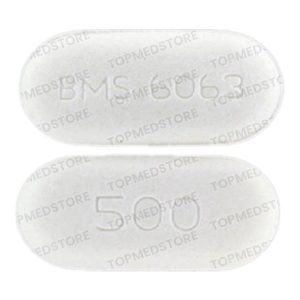
Diabetes Medicine

Diabetes medicines are used to help manage blood glucose levels in people with diabetes. Depending on the type of diabetes and individual treatment needs, different medicines may be used alone or together. Common diabetes medications include metformin, sulfonylureas, DPP-4 inhibitors, SGLT2 inhibitors, GLP-1 receptor agonists, and insulin.

The right medicine depends on factors such as the type of diabetes, blood glucose levels, other health conditions, and the treatment plan recommended by a healthcare professional.

What Is Diabetes Medicine?

Diabetes medication refers to a group of prescription medicines used to help control blood sugar. These medicines work in different ways. Some help the body use insulin better, while others increase insulin release, reduce glucose production, or help the body remove excess glucose through urine.

Common diabetes medications include oral tablets, injectable medicines, and insulin products. The choice of treatment can vary from one person to another.

How Diabetes Medication Helps

Diabetes medicines help keep blood sugar levels within the target range by working on different parts of glucose control.

Depending on the medicine, it may:

  • Reduce the amount of glucose made by the liver
  • Help the body respond better to insulin
  • Increase insulin release from the pancreas
  • Reduce glucose absorption or release after meals
  • Help the kidneys remove extra glucose from the body
  • Replace insulin that the body cannot produce adequately

Because diabetes medications work in different ways, healthcare professionals may sometimes combine two or more medicines to improve blood glucose control.

How Do Diabetes Medicine Tablets Work?

Diabetes pills help manage blood glucose levels in different ways. The way a medicine works depends on its type and active ingredient.

Some diabetes medications help the body produce or use insulin more effectively. Others reduce the amount of glucose released by the liver or help remove excess glucose from the body.

Different types of diabetes medications may work by:

  • Helping the body respond better to insulin
  • Increasing insulin production when needed
  • Reducing glucose production by the liver
  • Helping the kidneys remove excess glucose through urine
  • Slowing the release of glucose into the bloodstream
  • Replacing or supplementing the body’s insulin

Common Types of Diabetes Medicine

There are several types of medicines for diabetes, and each has a different role in blood glucose management.

Metformin (Biguanides)

Metformin is a commonly prescribed type 2 diabetes medicine. It mainly helps reduce glucose production in the liver and improves the body’s response to insulin.

SGLT2 Inhibitors

SGLT2 inhibitors help the kidneys remove glucose from the bloodstream through urine. Common medicines in this group include

  • Dapagliflozin
  • Empagliflozin
  • Canagliflozin.

DPP-4 Inhibitors

DPP-4 inhibitors help the body release insulin when blood glucose is elevated. Examples include

  • Sitagliptin
  • Linagliptin
  • Saxagliptin.

GLP-1 Receptor Agonists

GLP-1 medicines help regulate blood glucose by supporting insulin release, reducing glucagon release, and slowing stomach emptying. Examples include

  • Semaglutide
  • Liraglutide
  • Dulaglutide.

Sulfonylureas

Sulfonylureas help the pancreas produce more insulin. Common examples include

  • Glimepiride
  • Glipizide
  • Glyburide.

Insulin

Insulin is available in several types, including rapid-acting, short-acting, intermediate-acting, and long-acting insulin. It may be used for type 1 diabetes and may also be prescribed for some people with type 2 diabetes.

  • Insulin Glargine
  • Insulin Aspart
  • Insulin Lispro

Diabetes Medicine Side Effects

Diabetes medicines can cause side effects, although the type and severity may vary depending on the medication. Some people may experience mild effects, while others may have different reactions based on the specific diabetes medicine they use.

Common side effects associated with certain diabetes medications may include:

  • Low blood sugar (hypoglycemia)
  • Nausea or stomach discomfort
  • Diarrhea
  • Increased urination
  • Changes in appetite
  • Headache
  • Injection-site reactions with some injectable medicines

Not every diabetes medicine causes the same side effects. The effects can also vary between medicine classes, such as metformin, insulin, SGLT2 inhibitors, DPP-4 inhibitors, and GLP-1 receptor agonists. It is important to use diabetes medication as directed by a qualified healthcare professional.

FAQs About Diabetes Medicine

What are diabetes medicines used for?

Diabetes medicines are used to help control blood glucose levels. Different medicines work in different ways and may be prescribed based on the type of diabetes and individual treatment needs.

What is the most common medicine for type 2 diabetes?

Metformin is one of the most commonly used medicines for type 2 diabetes. Other diabetes drugs may be used when metformin is not suitable or when additional blood glucose control is needed.

What are the main types of diabetes medicine?

Major types include metformin, sulfonylureas, DPP-4 inhibitors, SGLT2 inhibitors, GLP-1 receptor agonists, TZDs, and insulin.

Are diabetes medicines available as tablets?

Yes. Many diabetes medicines are available as oral tablets. Metformin, sulfonylureas, DPP-4 inhibitors, and SGLT2 inhibitors are examples of oral diabetes medications.

Is insulin a diabetes medicine?

Yes. Insulin is an important diabetes medicine used to replace or supplement insulin in the body. It is essential for people with type 1 diabetes and may also be used in type 2 diabetes.

Can more than one diabetes medicine be used?

Yes. Some people may need more than one diabetes medicine to achieve their blood glucose targets. Different medicines may be combined because they work through different mechanisms.

What is the difference between diabetes tablets and insulin?

Diabetes tablets work in different ways to help control blood glucose, while insulin directly provides the insulin hormone the body needs. The appropriate treatment depends on the person’s diabetes type and medical needs.

Diabetes Resources

Managing diabetes often involves understanding blood sugar, diabetes medicines, and available treatment options. The following resources can help you learn more about diabetes and its management:

  • Diabetes Medicines: Explore different types of medicines used to manage blood glucose levels.
  • Insulin: Learn about the different types of insulin and how they are used.
  • Blood Sugar Management: Understand the role of blood glucose monitoring in diabetes care.
  • Diabetes Treatment Options: Learn about commonly used treatment approaches for different types of diabetes.
  • Type 1 and Type 2 Diabetes: Explore the differences between the main types of diabetes.
  • Diabetes Medication Guides: Find helpful information about commonly prescribed diabetes medicines.

These resources can help users better understand their diabetes treatment and medication options.

Editorial Sources

Our diabetes medicine content is developed using information from trusted medical and healthcare sources. These sources may include clinical guidelines, medical research, regulatory information, and recognized healthcare organizations.

Editorial sources may include:

Our editorial team reviews health and medicine-related content to help ensure that the information is accurate, relevant, and easy to understand. Content is regularly reviewed and updated when appropriate to reflect current medical knowledge.

Disclaimer

This content is provided for general informational purposes only and should not replace professional medical advice, diagnosis, or treatment. Diabetes medicines should be used only as prescribed by a qualified healthcare professional. Always consult your doctor or pharmacist before starting, stopping, or changing any medication.


Showing 1–12 of 13 resultsSorted by price: low to high

  • Generic Glucotrol XL

    Price range: $18.00 through $76.50

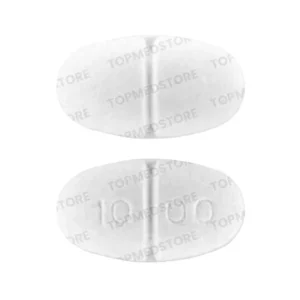
    Glucotrol XL is available for oral consumption and composed as an extended-release tablet. It has Glipizide as the active component. It controls blood sugar levels in people with type 2 diabetes. It is available in dosages as 5 mg and 10 mg.

  • Generic Precose

    Price range: $20.10 through $107.33

    Precose is the recommended medication for the treatment of diabetes. This medicine contains active ingredient Acarbose. This medicine is manufactured by the trusted pharmaceutical company, Bayer Healthcare. It also controls hypertension with type-2 diabetes. The medicine is made available in conventional tablet form and dosages are 25 mg, 50 mg, and 100 mg.

  • Generic Actos

    Price range: $20.70 through $79.03
    Active IngredientPioglitazone
    TreatsDiabetes
    Drug ClassThiazolidinediones (PPAR-gamma agonists)

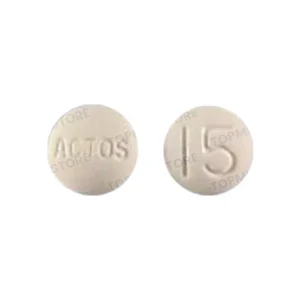
    Actos is a popular brand medication is used in the treatment of diabetes. It is composed of active component Pioglitazone. This active component is used to control high blood pressure in people with type 2 diabetes. Takeda Pharmaceutical, one of the renowned companies manufactures this medicine. The dosages available are 15 mg, 30 mg, and 45 mg.

  • Generic Diamicron Mitral Regurgitation

    Price range: $20.70 through $127.50

    Diamicron MR is an antihyperglycemic medication indicated for the treatment of the control of blood glucose in people with type 2 diabetes. It has an active component Gliclazide. It is offered in dosages like 30 mg and 60 mg.

  • Generic Diamicron

    Price range: $20.70 through $65.52

    Diamicron is an effective medicine composed of Gliclazide as the main active component. It belongs to the sulfonylurea class of insulin secretagogues. It is indicated for the treatment of diabetes type 2. This medicine is offered in dosages like 40 mg and 80 mg.

  • Generic Glucotrol

    Price range: $20.70 through $57.96

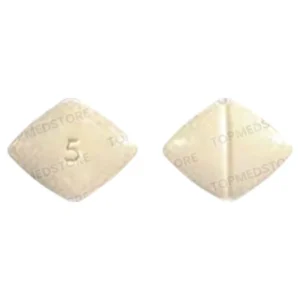
    Glucotrol composed of the active component Glipizide. It is available for oral consumption in a dosage of 5 mg. It is used to control high glucose levels in people with type 2 diabetes.

  • Generic Amaryl

    Price range: $20.70 through $57.96

    Generic Amaryl is a popular brand of medication used to treat high blood sugar in people with type 2 diabetes. It is composed of Glimepiride as the main active ingredient.  It is available for oral consumption in conventional tablet form.

  • Generic Glucophage

    Price range: $20.70 through $65.52

    Glucophage is composed of Metformin, as the main active component. It is indicated for the treatment of high blood sugar and type 2 diabetes. It is made available in a conventional tablet in dosages 500 mg, 850 mg, and 1000 mg.

  • Generic Starlix

    Price range: $24.00 through $102.00

    Starlix is composed of active component Nateglinide. It is approved for the treatment of type 2 diabetes. It increases the production of insulin in the pancreas. It is made available in a conventional tablet form for oral consumption. The dosages available are 60 mg and 120 mg.

  • Generic Glucophage Extended Release

    Price range: $24.30 through $117.30

    Glucophage XR is recommended to treat high blood sugar and type 2 diabetes. This medication has an active component, Metformin. It is offered in dosages 500 mg and 1000 mg. It is a conventional tablet available for oral administration.

  • Generic Prandin

    Price range: $26.10 through $83.16

    Prandin is a medication prescribed for the treatment of high blood sugar and type 2 diabetes. It has the active component Repaglinide, which belongs to a class of drugs known as meglitinide. This medicine is available in dosages like 0.5 mg, 1 mg, and 2 mg.

  • Generic Avandia

    Price range: $44.40 through $346.03

    Avandia is an effective medication used in the treatment of high blood sugar levels i.e. type 2 diabetes. This medicine contains the active ingredient Rosiglitazone Maleate which inhibits cell growth and controls the high sugar level. The dosages available are 2 mg and 4 mg and are composed in the conventional tablet form.