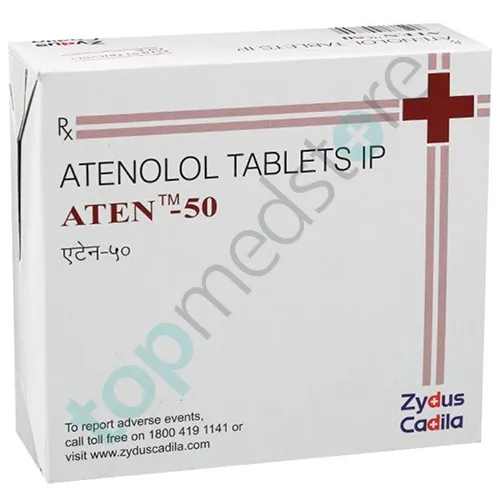
Atenolol 50mg
$50.40 – $129.92
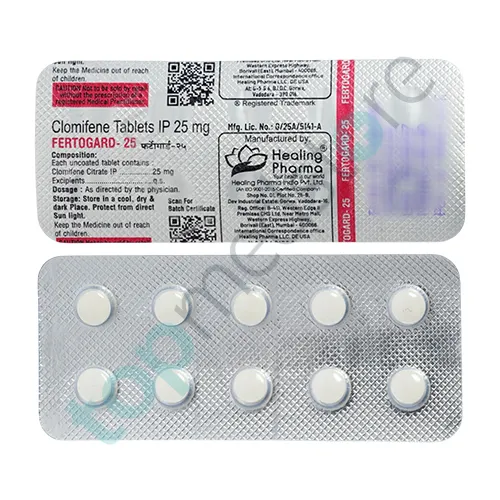
Clomifene, also called Clomiphene, is a medicine used to help women who have trouble becoming pregnant because they are not ovulating regularly. Ovulation is the release of an egg from the ovary during the menstrual cycle. If ovulation does not happen properly, pregnancy becomes difficult.
Doctors commonly prescribe Clomifene tablets for women with infertility linked to ovulation problems. Infertility means difficulty getting pregnant after trying for a long time. The medicine helps stimulate the ovaries so they can release eggs more regularly.
Clomiphene for female infertility is often used in women with conditions such as polycystic ovary syndrome (PCOS). PCOS is a hormonal condition that can cause irregular periods, weight gain, acne, and difficulty ovulating.
The medicine belongs to a group called ovulation stimulants. These medicines help improve fertility by supporting normal hormone activity in the body.
Doctors may also use Clomifene citrate tablets during fertility treatment plans together with hormone monitoring, ultrasound scans, and lifestyle changes.
This medicine should only be used under medical supervision because hormone medicines can affect the reproductive system in different ways.
Clomifene/Clomiphene works by helping the body produce hormones needed for ovulation.
The medicine acts on the brain, mainly the hypothalamus and pituitary gland. These areas control hormone production in the body. Hormones are chemical messengers that help organs work properly.
Normally, the brain monitors estrogen levels. Estrogen is an important female hormone involved in the menstrual cycle and fertility. Clomifene tablets temporarily block estrogen signals in the brain. As a result, the brain thinks estrogen levels are low.
The body then releases more fertility hormones called FSH and LH. FSH stands for follicle-stimulating hormone, while LH stands for luteinizing hormone. These hormones help the ovaries grow and release eggs.
When ovulation improves, the chances of pregnancy may increase.
Doctors often prescribe Clomiphene for ovulation induction. Ovulation induction means using medicine to help trigger egg release.
Some women may notice more regular menstrual cycles after treatment because the medicine helps improve hormone balance linked to ovulation.
Doctors mainly prescribe Clomifene/Clomiphene for women who have trouble ovulating.
The most common use is for female infertility treatment caused by irregular or absent ovulation. Women with irregular periods may not release eggs every month, which lowers the chance of pregnancy.
Doctors frequently use Clomifene tablets in women with PCOS-related infertility. PCOS can stop eggs from developing properly inside the ovaries.
The medicine may also help women with unexplained infertility in some cases. Unexplained infertility means tests do not show a clear reason for difficulty becoming pregnant.
Fertility specialists may prescribe Clomiphene citrate during assisted reproductive treatment plans. Assisted reproductive treatment includes medical fertility support methods that improve pregnancy chances.
Some doctors may occasionally prescribe the medicine for male fertility problems linked to low hormone levels, although this use is less common.
Common uses of Clomifene medicine include improving ovulation, supporting fertility treatment, regulating ovulation cycles, and increasing the chance of egg release during the menstrual cycle.
Gynecologists and fertility specialists usually monitor treatment closely because hormone response can vary between patients.
Clomifene/Clomiphene works by increasing the body’s natural fertility hormone production.
The medicine blocks estrogen receptors in the brain. Receptors are small areas that receive hormone signals. When estrogen signals become blocked, the brain reacts by producing more FSH and LH hormones.
These hormones stimulate the ovaries to grow follicles. Follicles are small sacs inside the ovaries that contain eggs.
As the follicles grow, one or more eggs may mature and become ready for release. This process improves the chance of ovulation and pregnancy.
Doctors usually prescribe Clomifene tablets for a few days early in the menstrual cycle. The exact timing depends on the patient’s cycle pattern and fertility treatment plan.
Some women may ovulate within a few days after completing the medicine course. Doctors may recommend ovulation tracking or ultrasound monitoring during treatment.
The medicine works best when combined with proper fertility evaluation and medical guidance.
Like all medicines, Clomifene/Clomiphene can cause side effects. Most side effects are mild and temporary.
Common side effects include hot flashes, headache, mood changes, breast tenderness, and nausea. Hot flashes are sudden feelings of warmth, sweating, or redness in the face and upper body.
Some women may experience bloating or mild stomach discomfort during treatment.
Because Clomifene tablets affect hormone levels, some patients may notice temporary emotional changes such as irritability or mood swings.
A few women may develop blurred vision or visual disturbances. Visual disturbances mean changes in eyesight such as flashes, spots, or blurry vision. Patients should contact a doctor if these symptoms appear.
In rare cases, the medicine may overstimulate the ovaries. This condition is called ovarian hyperstimulation syndrome (OHSS). OHSS can cause severe abdominal pain, swelling, nausea, and breathing problems.
The medicine may also increase the chance of multiple pregnancy, such as twins, because more than one egg may be released during ovulation.
Doctors carefully monitor treatment to reduce risks and improve fertility outcomes safely.
This content is for educational purposes only. It does not replace professional medical advice, diagnosis, or treatment. Always consult a gynecologist or fertility specialist before using Clomifene/Clomiphene tablets or starting fertility treatment.
| Product name | Clomifene/Clomiphene |
|---|---|
| Category | Women's Health |
| Shipping offer | Free shipping on orders of $110.00 or more |
$50.40 – $129.92
$75.00 – $192.00
$35.28 – $89.60
$18.30 – $46.80