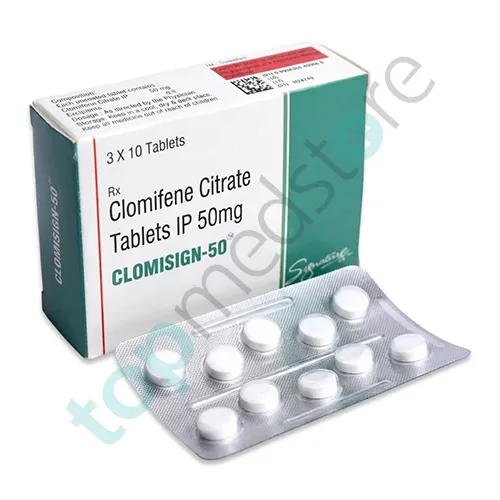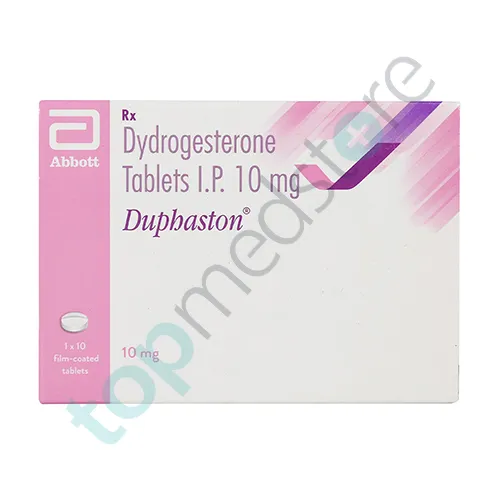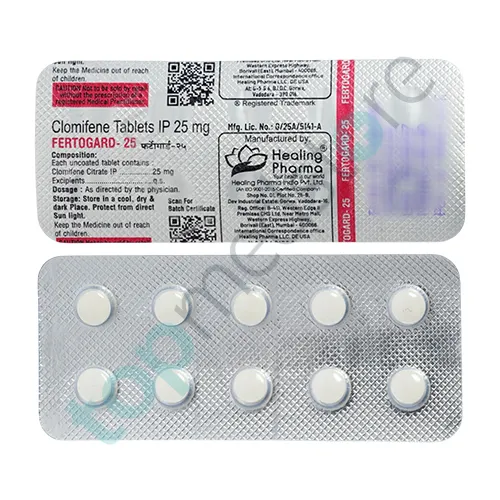
Clomifene/Clomiphene 25mg
$48.00 – $156.00

| Product name | Clomifene/Clomiphene 100mg |
|---|---|
| Active Ingredient | Clomifene/Clomiphene |
| Dosage | 100mg |
| Drug Type | Tablets |
| Indication | Female Infertility |
| Manufacturer | Healing Pharma |
Total $150.50
Clomiphene 100mg is a prescription medicine used to treat infertility in women, especially when the body is not releasing eggs regularly. It is commonly prescribed by a gynecologist or fertility specialist as part of ovulation induction therapy.
This medicine is a stronger dose version of clomiphene and is used when lower doses are not effective in stimulating ovulation.
In simple words, Clomiphene helps the body trigger egg release so the chances of pregnancy can improve.
In a normal menstrual cycle, the brain controls fertility through hormones called FSH (follicle-stimulating hormone) and LH (luteinizing hormone). These hormones help the ovaries grow follicles and release an egg during ovulation.
In some women, this hormonal system does not work properly, leading to irregular periods or no ovulation.
Clomiphene works by acting on the brain’s hormone control center, mainly the hypothalamus and pituitary gland. It temporarily blocks estrogen signals. Estrogen is a natural hormone that tells the brain whether enough reproductive hormones are present.
When this signal is blocked, the brain responds by increasing the release of FSH and LH hormones. These hormones then stimulate the ovaries to grow follicles and release a mature egg.
In simple words, this medicine tricks the body into producing more fertility hormones so ovulation can happen.
Clomiphene 100mg is mainly used for female infertility caused by lack of ovulation.
It is commonly used in conditions like polycystic ovary syndrome (PCOS), where hormonal imbalance prevents regular egg release.
It may also be prescribed for irregular menstrual cycles, where ovulation does not occur consistently every month.
In some cases, doctors use it as part of a fertility treatment plan to improve natural conception chances when lower doses are not effective.
In clinical practice, a gynecologist or fertility specialist prescribes this medicine when stronger hormonal stimulation is required to induce ovulation.
Clomiphene works by influencing the body’s natural hormone feedback system.
It blocks estrogen receptors in the brain. These receptors are like “sensors” that detect estrogen levels and regulate reproductive hormones.
When estrogen signals are blocked, the brain thinks hormone levels are low. In response, it increases production of FSH and LH hormones.
These hormones act on the ovaries, helping follicles grow and an egg to mature and release.
This process helps restore or trigger ovulation in women who are not ovulating naturally.
In simple words, this medicine increases fertility hormone signals so the ovaries release an egg.
Some women may experience hot flashes, which feel like sudden warmth or flushing of the body due to hormonal changes.
There may be abdominal discomfort or bloating, as the ovaries respond to stimulation.
Some people may notice headache, nausea, or mood changes during treatment.
In some cases, temporary blurred vision or light sensitivity may occur, which should be reported to a doctor.
Rarely, the ovaries may become overstimulated (ovarian enlargement, meaning the ovaries swell due to strong response), which may require medical attention.
Most side effects are temporary and improve after dose adjustment or completion of treatment.
This medicine should only be taken under the supervision of a gynecologist or fertility specialist.
It should be used only for the number of cycles prescribed, as long-term unsupervised use is not recommended.
Regular ultrasound monitoring may be required to track follicle development and ovarian response.
It should not be used during pregnancy.
Patients with liver disease or abnormal uterine bleeding should inform their doctor before starting treatment.
Careful medical supervision helps improve safety and fertility outcomes.
This content is for informational purposes only and does not replace medical advice, diagnosis, or treatment. Always consult your gynecologist or fertility specialist before starting or changing any medicine.
$48.00 – $156.00
$55.00 – $180.00
$183.00 – $600.00
$48.30 – $158.40