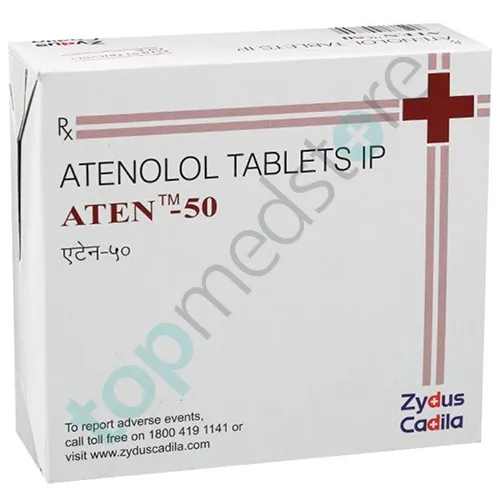
Atenolol 50mg
$50.40 – $129.92

| Product name | Clonidine 0.1mg |
|---|---|
| Active Ingredient | Clonidine |
| Dosage | 0.1mg |
| Drug Type | Tablets |
| Indication | Hypertension |
| Manufacturer | Torrent Pharmaceuticals Ltd |
Total $18.30
Clonidine 0.1mg is a prescription medicine used mainly to treat high blood pressure (hypertension). It is also used in some other conditions where calming of the nervous system is needed. This medicine is commonly prescribed by a cardiologist or physician.
Clonidine works on the brain and nervous system to reduce signals that increase blood pressure and stress response in the body.
In simple words, Clonidine helps relax blood vessels and lowers blood pressure by calming overactive nerve signals.
Blood pressure increases when the nervous system sends strong signals to tighten blood vessels and increase heart activity. This is controlled by a part of the brain that manages stress and automatic body functions.
Clonidine works by acting on the central nervous system (brain and spinal cord control system). It reduces the release of certain nerve signals called sympathetic signals, which are responsible for increasing heart rate and narrowing blood vessels.
When these signals decrease, blood vessels relax and widen. This allows blood to flow more easily and reduces pressure on the artery walls.
It also helps slow down the heart rate slightly, which further reduces blood pressure.
In simple words, this medicine calms the nerve signals that raise blood pressure so the heart and blood vessels can relax.
Clonidine is mainly used for the treatment of high blood pressure (hypertension). It helps reduce the risk of complications such as heart attack and stroke by keeping blood pressure under control.
It may also be used in attention-related and behavioral conditions, where calming of the nervous system is needed, as advised by a doctor.
In some cases, doctors may use it to help manage withdrawal symptoms from certain substances, as it can reduce nervous system overactivity.
It is sometimes used as part of a treatment plan when stress-related or nervous system overactivity contributes to symptoms.
In clinical practice, a cardiologist or physician prescribes this medicine when blood pressure needs to be controlled through central nervous system regulation.
Clonidine works by stimulating specific receptors in the brain called alpha-2 adrenergic receptors. These receptors help control nerve signals that regulate blood pressure.
When these receptors are activated, the brain reduces the release of stress-related chemicals that tighten blood vessels.
As a result, blood vessels relax, heart rate slows slightly, and overall blood pressure decreases.
This effect helps maintain more stable blood pressure levels throughout the day.
In simple words, this medicine tells the brain to reduce stress signals so blood pressure comes down naturally.
Some people may experience drowsiness or feeling tired, especially when starting the medicine. This happens because the nervous system becomes calmer.
There may be dry mouth, which is a common effect due to reduced stimulation of saliva glands.
Some people may feel dizziness, especially when standing up quickly. This is related to a drop in blood pressure.
In some cases, constipation or mild headache may occur.
Rarely, if the medicine is stopped suddenly, it can cause a rebound increase in blood pressure (sudden rise in blood pressure after stopping treatment), which can be dangerous.
Most side effects improve with continued use or dose adjustment.
This medicine should be taken only under the supervision of a cardiologist or physician.
Do not stop it suddenly, as this may cause a rapid rise in blood pressure.
Alcohol should be avoided because it can increase drowsiness and dizziness.
Be careful while driving or operating machinery, especially during the initial phase of treatment.
Regular blood pressure monitoring is important to ensure the medicine is working effectively.
Inform your doctor if you have heart disease, kidney problems, or low blood pressure history.
Following medical advice carefully helps ensure safe and effective treatment.
This content is for informational purposes only and does not replace medical advice, diagnosis, or treatment. Always consult your cardiologist or physician before starting or changing any medicine.
$50.40 – $129.92
$75.00 – $192.00
$35.28 – $89.60
$28.50 – $93.60