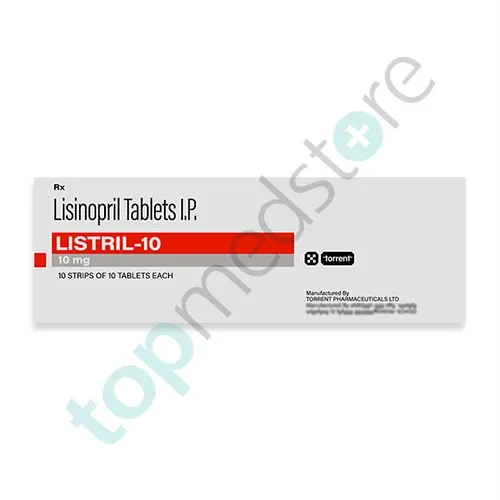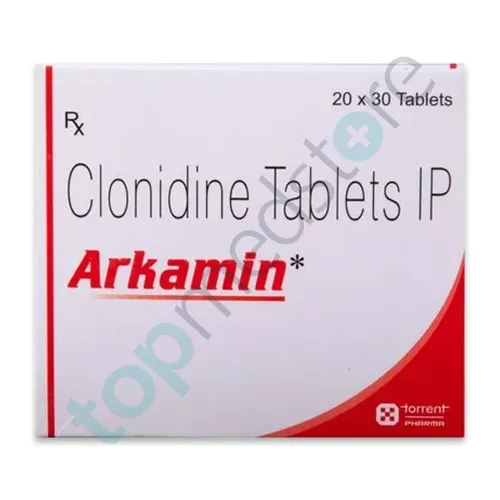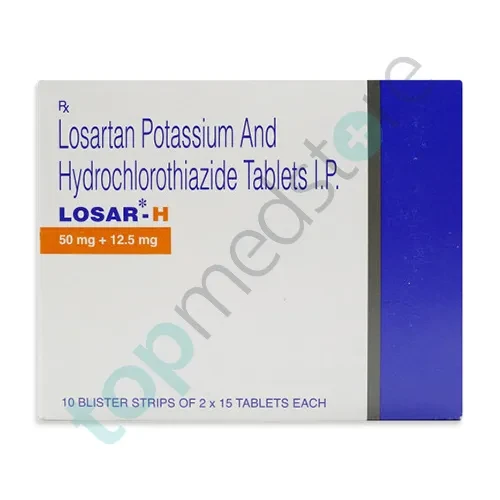
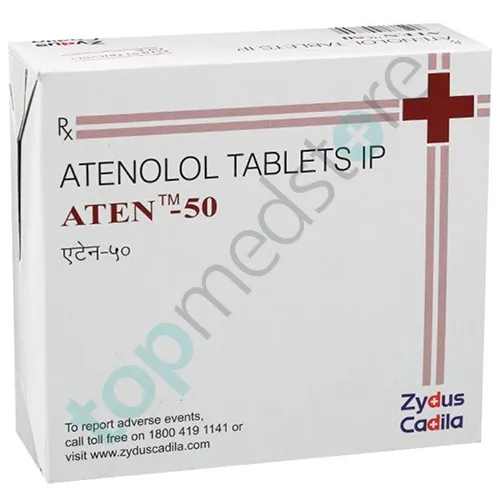
Atenolol 50mg
$50.40 – $129.92
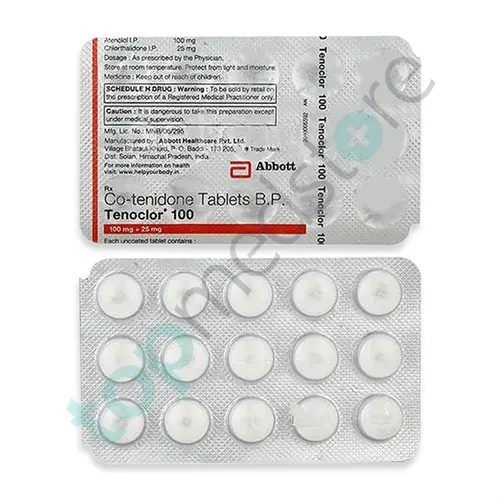
| Product name | Atenolol-Chlorthalidone 100mg-25mg |
|---|---|
| Active Ingredient | Atenolol-Chlorthalidone |
| Dosage | 100mg-25mg |
| Drug Type | Tablets |
| Indication | Hypertension |
| Manufacturer | Ipca |
Atenolol-Chlorthalidone 100mg-25mg Tablets
In stock
Total $75.00
Atenolol–Chlorthalidone 100mg–25mg is a combination medicine used to treat high blood pressure (hypertension). It is commonly prescribed by a cardiologist when strong and consistent blood pressure control is required. This combination helps slow down the heart rate and remove excess fluid from the body, which lowers blood pressure effectively.
This higher-strength dose is usually given when lower doses are not enough to control BP levels.
In simple words, this medicine lowers blood pressure by calming the heart and reducing extra fluid in the body.
High blood pressure can happen due to increased heart activity and excess fluid in the blood vessels. Both of these factors increase pressure inside the arteries.
This medicine works on both problems.
Atenolol acts on the heart. It slows down the heart rate and reduces the force of each heartbeat. This lowers the pressure created by blood flow.
Chlorthalidone is a diuretic (water tablet). It helps the body remove extra salt and water through urine. This reduces the volume of fluid in the blood vessels.
When fluid volume decreases and the heart works more slowly, blood pressure comes down.
In simple terms, this medicine reduces pressure by slowing the heart and removing excess fluid from the body.
Atenolol–Chlorthalidone 100mg–25mg is mainly used for high blood pressure, especially when stronger treatment is needed.
Doctors prescribe this combination when BP is not controlled with a single medicine or lower doses.
It helps reduce the risk of cardiovascular complications, such as heart attack and stroke.
This medicine is also useful in patients who have high BP along with fluid retention, where excess water in the body increases pressure.
In long-term use, it supports stable blood pressure control and protects the heart and blood vessels.
In real-life practice, doctors choose this medicine when both heart rate control and fluid reduction are needed together.
This medicine works through a dual mechanism.
Atenolol is a beta-blocker. It blocks signals that increase heart rate and force. This helps the heart beat more slowly and gently.
Chlorthalidone is a thiazide-like diuretic. It increases urine production, which removes extra salt and water from the body.
These actions reduce blood volume and pressure inside the arteries.
In simple words, one part slows the heart, and the other removes extra fluid, leading to better blood pressure control.
Most people tolerate this medicine well, but some side effects may occur.
A common side effect is dizziness, especially when standing up quickly due to lower blood pressure.
Some people may feel tired or weak, as the heart rate becomes slower.
You may notice increased urination, which is expected due to the diuretic effect.
In some cases, low potassium levels may occur. This can cause muscle weakness or cramps.
Some patients may experience cold hands and feet, due to reduced circulation.
Less commonly, there may be slow heart rate (bradycardia).
Rarely, dehydration or electrolyte imbalance may occur if fluid loss is too high.
Most side effects improve with time and proper monitoring.
Atenolol–Chlorthalidone 100mg–25mg should be taken under the supervision of a cardiologist.
Do not stop the medicine suddenly, as this may cause a sudden increase in blood pressure.
Regular monitoring of blood pressure, heart rate, and electrolytes is important.
Inform your doctor if you have kidney disease, diabetes, asthma, or heart rhythm problems.
Stay hydrated, but avoid excessive fluid intake unless advised.
Limit alcohol, as it may increase dizziness.
Take the medicine at the same time daily for consistent results.
This medicine works best when combined with lifestyle changes like low salt diet, regular exercise, and weight management.
This content is for informational purposes only and does not replace medical advice, diagnosis, or treatment. Always consult your cardiologist before starting or changing any medicine.
$50.40 – $129.92
$35.28 – $89.60
$18.30 – $46.80
$28.50 – $93.60