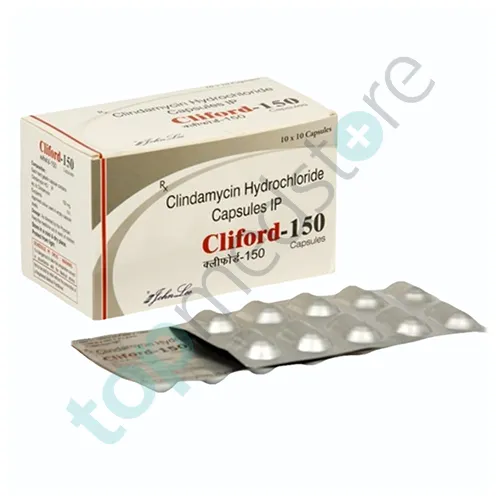
Clindamycin 150mg Capsules
$69.60 – $227.20
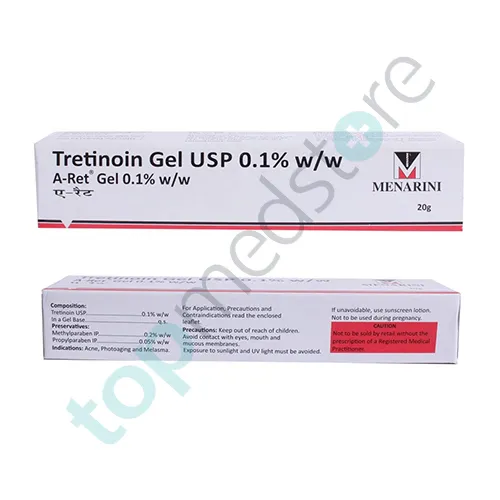
| Product name | Tretinoin Gel 0.1%-20g |
|---|---|
| Active Ingredient | Tretinoin |
| Dosage | 0.1% 20g |
| Drug Type | Tubes |
| Indication | Acne Vulgaris |
| Manufacturer | Menarini India Pvt Ltd |
Total $82.47
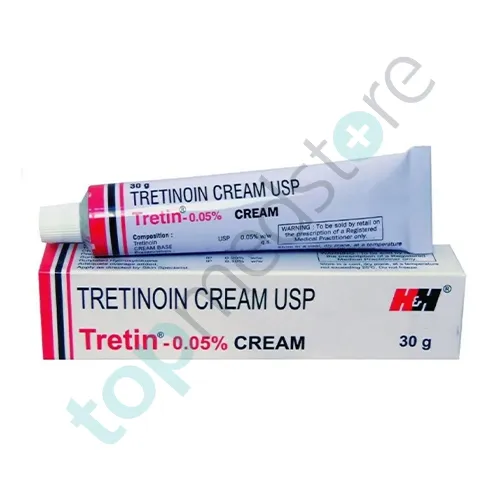
Tretinoin Gel 0.1% is a prescription skin medicine used mainly for treating acne (pimples) and improving overall skin texture. Acne is a skin condition where pores get blocked with oil, dead skin cells, and sometimes bacteria, leading to pimples, blackheads, and whiteheads.
The active chemical is Tretinoin, a form of vitamin A derivative. Medicines in this group are called retinoids. They are widely used in dermatology for acne and skin renewal treatment.
Tretinoin Gel 0.1% 20g is a stronger concentration, so it is usually prescribed for more stubborn acne or when lower strengths are not giving enough results. Dermatologists, who are skin specialists, guide its use carefully.
Tretinoin Gel 0.1% works on the outer layer of the skin. It helps the skin renew itself faster and more evenly.
In acne, pores become blocked due to excess oil and dead skin buildup. These blockages form pimples and blackheads. Tretinoin helps remove these blockages by increasing skin cell turnover.
Cell turnover means how quickly the skin replaces old cells with new ones. When this process becomes faster and more balanced, pores stay cleaner.
The medicine also reduces the formation of new clogged pores. This helps prevent future acne breakouts.
Over time, it improves skin texture and helps reduce roughness caused by repeated acne. It may also help fade dark spots left behind by old pimples.
However, the skin may go through an adjustment phase at the beginning, where dryness or mild irritation can occur.
Tretinoin Gel 0.1% is mainly used for treating acne vulgaris, especially moderate to severe cases. It helps reduce pimples, blackheads, and whiteheads by keeping pores clean.
It is also used for comedonal acne, which means acne caused mainly by blocked pores without much inflammation.
Dermatologists may prescribe it for improving skin texture, making the skin smoother and more even over time.
It can also help with post-acne marks, which are dark or red spots left on the skin after pimples heal. These marks fade slowly as the skin renews itself.
In some cases, it is used for early signs of photoaging, where long-term sun exposure causes rough skin and uneven texture.
It is important to understand that this medicine is not a quick fix. It works gradually and needs regular use for visible improvement.
Tretinoin Gel 0.1% works by speeding up the natural skin renewal process. The skin continuously sheds old cells and forms new ones. This medicine makes that process faster and more effective.
When dead skin cells build up, they block pores and trap oil inside. This leads to acne formation. Tretinoin helps remove these dead cells before they clog the pores.
It also reduces the formation of micro-comedones. Micro-comedones are the earliest stage of acne that is not visible but can later develop into pimples.
By keeping pores clear, it reduces both existing acne and the chance of new breakouts.
It also supports smoother skin by improving how skin cells are organized. Over time, this leads to better skin tone and texture.
Because it increases skin renewal, the skin may initially feel dry or sensitive. This is a normal adjustment phase.
Tretinoin Gel 0.1% may cause side effects, especially during the first few weeks of use. These effects are usually temporary.
Common side effects include skin dryness, redness, peeling, and mild burning or stinging. These happen because the skin is adjusting to faster cell turnover.
The skin may also become more sensitive to sunlight. This means sun exposure can easily cause irritation or sunburn, so sun protection is important.
Some users may experience a temporary increase in acne at the beginning of treatment. This is called “purging,” where blocked pores come to the surface before clearing.
Rarely, severe irritation or allergic reactions may occur. If the skin becomes very painful, swollen, or extremely red, medical advice should be taken.
Dermatologists often recommend starting slowly and using a small amount to reduce irritation.
This content is for educational purposes only. It is not a substitute for professional medical advice, diagnosis, or treatment. Always consult a dermatologist or qualified healthcare professional before using Tretinoin Gel 0.1% (20g). Use this medicine only under proper medical supervision.
$69.60 – $227.20
$37.00 – $120.80
$118.95 – $389.28
$65.00 – $212.00