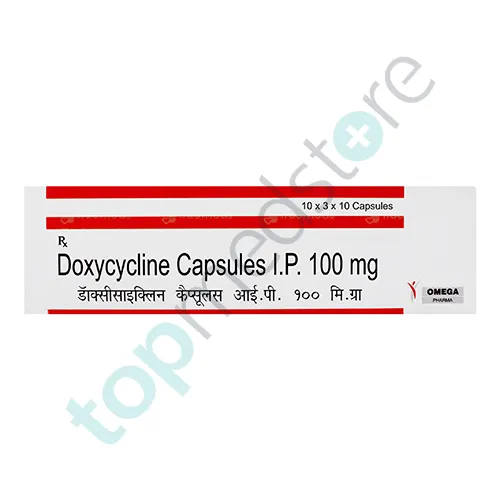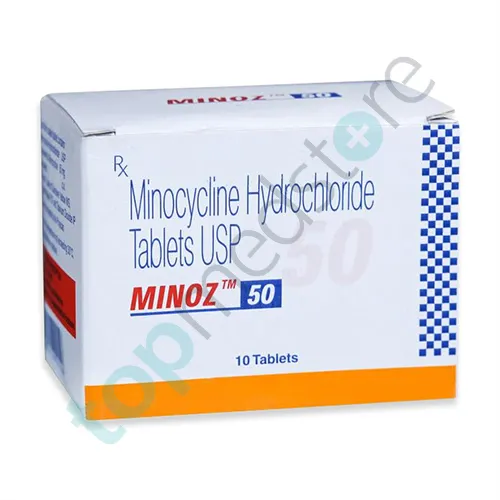
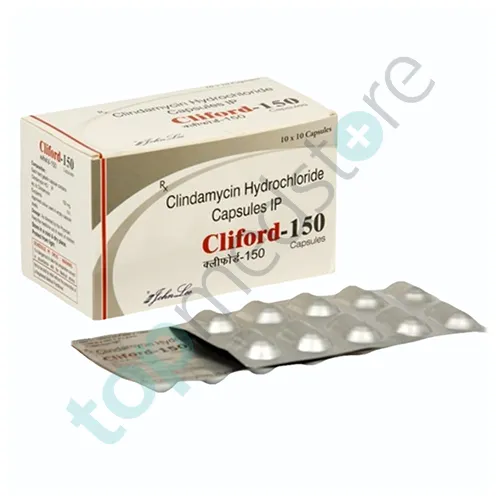
Clindamycin 150mg Capsules
$69.60 – $227.20
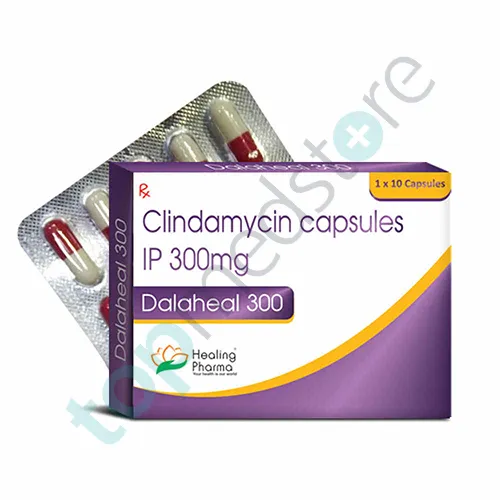
| Product name | Clindamycin 300mg Capsules |
|---|---|
| Active Ingredient | Clindamycin |
| Dosage | 300mg |
| Drug Type | Capsules |
| Indication | Bacterial Infections |
| Manufacturer | Healing Pharma |
Total $37.00
Clindamycin 300mg Capsules is a prescription antibiotic medicine used to treat bacterial infections in different parts of the body. It belongs to the lincosamide antibiotic group.
Doctors prescribe this medicine when infections are caused by bacteria that are sensitive to Clindamycin. It does not work for viral infections like cold or flu.
This antibiotic is commonly used for infections of the skin, teeth, lungs, bones, and internal organs. It is also used when other antibiotics are not suitable or effective.
Physicians, dentists, and infection specialists often prescribe Clindamycin capsules depending on the type and severity of infection.
Many patients use Clindamycin 300mg to reduce pain, swelling, fever, and pus formation caused by bacterial growth.
Clindamycin 300mg Capsules works by stopping bacteria from making essential proteins needed for their survival.
Bacteria need proteins to grow, multiply, and spread infection inside the body. This medicine blocks a bacterial structure called the 50S ribosomal subunit, which is responsible for protein production.
When protein production stops, bacteria cannot grow or repair themselves. This leads to gradual bacterial death and helps the body clear the infection.
As the infection reduces, symptoms like pain, redness, swelling, and fever start improving.
The immune system also plays an important role. It helps remove dead bacteria and supports healing of infected tissues.
Clindamycin tablets spread through the bloodstream and reach infected areas, including deep tissues like bones and lungs.
Doctors prescribe Clindamycin 300mg Capsules for several types of bacterial infections.
One common use is skin and soft tissue infections. These include infected wounds, abscesses, cellulitis, and boils. These conditions often cause redness, pain, swelling, and pus formation.
Dentists also use Clindamycin capsules for dental infections, such as tooth abscess or gum infection. These infections can cause severe tooth pain, swelling in the jaw, and fever.
Doctors may prescribe this medicine for respiratory tract infections, including pneumonia and lung infections. These conditions may cause cough, chest pain, fever, and breathing difficulty.
It is also used for bone infections (osteomyelitis), which are serious infections affecting the bones and may cause long-term pain and swelling.
In some cases, Clindamycin 300mg is used when patients are allergic to penicillin-based antibiotics.
Clindamycin 300mg Capsules works by stopping bacterial protein synthesis.
Inside bacteria, proteins are made using ribosomes. This medicine attaches to the 50S ribosomal subunit, which is a key part of the bacterial protein-making system.
When this process is blocked, bacteria cannot produce essential proteins. Without these proteins, bacteria lose their ability to grow, multiply, or survive.
As bacterial activity decreases, the infection becomes weaker. The immune system then clears the remaining bacteria from the body.
This helps reduce symptoms such as swelling, fever, pain, and pus formation over time.
Doctors usually prescribe a full course of Clindamycin tablets to ensure complete removal of bacteria and prevent resistance. Antibiotic resistance means bacteria become harder to treat if the medicine is not taken properly.
Like all antibiotics, Clindamycin 300mg Capsules may cause side effects in some people. Most side effects are mild and temporary.
Common side effects include nausea, vomiting, stomach pain, diarrhea, and mild skin rash. Some patients may also feel a metallic taste in the mouth.
Diarrhea can happen because the medicine may affect normal healthy bacteria in the intestines. These good bacteria help with digestion and gut balance.
In rare cases, Clindamycin may cause a serious intestinal infection called Clostridium difficile-associated diarrhea. This may cause severe diarrhea, stomach cramps, and fever. Medical attention is needed if this occurs.
Allergic reactions may also occur in some people. These can include itching, swelling, or difficulty breathing. Such symptoms require immediate medical care.
Patients should inform their doctor if they have a history of stomach diseases or antibiotic sensitivity before using Clindamycin tablets.
This content is for educational purposes only. It does not replace medical advice, diagnosis, or treatment. Always consult a physician, dentist, or healthcare professional before starting or stopping Clindamycin 300mg Capsules. Use this medicine only under proper medical supervision.
$69.60 – $227.20
$118.95 – $389.28
$65.00 – $212.00
$62.50 – $204.00