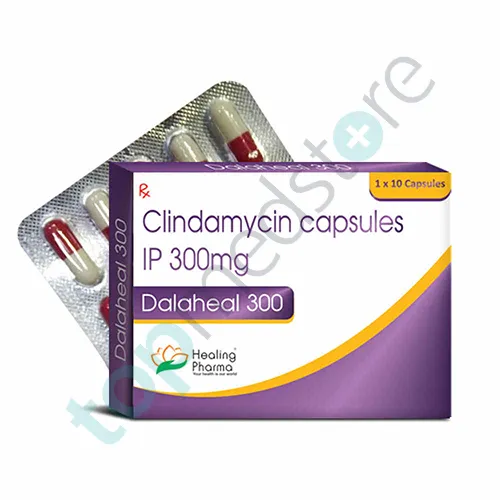
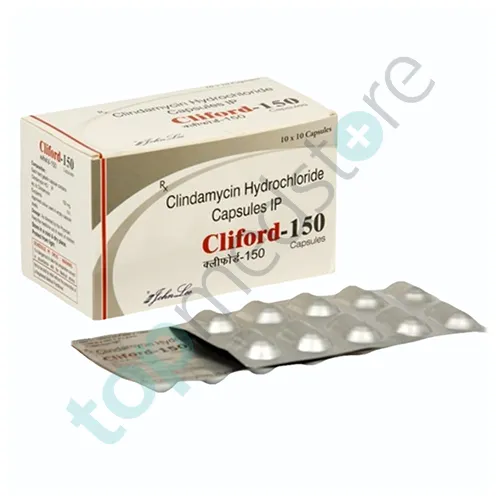
Clindamycin 150mg Capsules
$69.60 – $227.20
Clindamycin is a prescription antibiotic medicine used to treat different types of bacterial infections. It is commonly prescribed by a physician, dermatologist, dentist, or infectious disease specialist depending on where the infection is located and how severe it is.
Bacterial infections happen when harmful bacteria enter the body, multiply, and start affecting normal body functions. These infections can occur on the skin, in the mouth, lungs, bones, and deeper tissues. They may cause symptoms like pain, swelling, redness, pus formation, and sometimes fever.
Clindamycin is available in different forms such as capsules, injections, and topical gels or lotions. The doctor chooses the form based on the infection type and patient condition.
It is important to take this medicine exactly as prescribed and complete the full course, even if symptoms improve early. Stopping too soon can allow bacteria to grow again and cause reinfection.
Clindamycin works by stopping bacteria from making the proteins they need to survive.
Bacteria require proteins for growth, repair, and reproduction. Without these proteins, they cannot maintain their life cycle.
Clindamycin attaches to a specific part of the bacteria called the 50S ribosomal subunit. Ribosomes are like tiny “factories” inside bacterial cells that produce proteins.
When Clindamycin binds to this ribosome, it blocks the production of essential proteins.
Because of this, bacteria lose their ability to grow and multiply.
Over time, the infection slows down, and the body’s immune system removes the remaining bacteria.
As the bacterial load decreases, symptoms such as pain, swelling, redness, and fever gradually improve.
Doctors prescribe Clindamycin for a wide range of bacterial infections affecting different parts of the body.
It is commonly used for skin and soft tissue infections, including infected wounds, boils, abscesses, and acne-related bacterial infections.
It is also widely used in dental infections, such as tooth abscesses and gum infections, where it helps reduce pain, swelling, and spread of bacteria.
In some cases, Clindamycin is used for bone infections (osteomyelitis) under strict medical supervision.
It may also be used for certain respiratory tract infections, especially when other antibiotics are not suitable or effective.
Topical Clindamycin is often prescribed for acne vulgaris, where it helps reduce acne-causing bacteria on the skin and prevents new pimples from forming.
The dose and duration depend on the type of infection, severity, and patient response to treatment.
Clindamycin works by interfering with bacterial protein synthesis, which is essential for bacterial survival.
It binds to the 50S subunit of bacterial ribosomes, which are responsible for building proteins inside the bacteria.
Once it attaches, it blocks the ribosome from properly forming protein chains. These proteins are made from amino acids, which are the basic building blocks of life.
Without proper protein production, bacteria cannot grow, divide, or repair themselves.
This stops the infection from spreading and allows the immune system to clear the remaining bacteria.
As the infection reduces, inflammation and related symptoms slowly improve, leading to recovery.
Like all medicines, Clindamycin may cause side effects, although most people do not experience serious problems.
Some patients may have nausea, vomiting, stomach discomfort, or mild diarrhea during treatment.
Loose stools can occur, and in rare cases, it may lead to antibiotic-associated colitis, a condition where inflammation of the colon happens due to imbalance of normal gut bacteria.
With topical use, mild skin dryness, burning, or irritation at the application site may occur.
Some individuals may develop skin rash or itching due to sensitivity.
Rarely, severe allergic reactions such as swelling, breathing difficulty, or intense rash may occur and require immediate medical attention.
Patients should always use this medicine only under medical guidance and complete the full prescribed course to prevent resistance and recurrence.
This content is for informational purposes only. It does not replace professional medical advice, diagnosis, or treatment. Always consult a physician, dermatologist, or relevant specialist before starting or changing Clindamycin. Use this medicine exactly as prescribed and complete the full course to ensure safe and effective treatment of bacterial infections.
| Product name | Clindamycin |
|---|---|
| Category | Antibacterial Medicines |
| Shipping offer | Free shipping on orders of $110.00 or more |
$69.60 – $227.20
$37.00 – $120.80
$118.95 – $389.28
$65.00 – $212.00