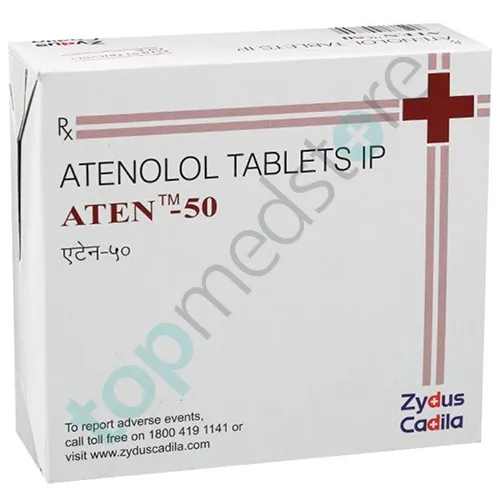
Atenolol 50mg
$50.40 – $129.92
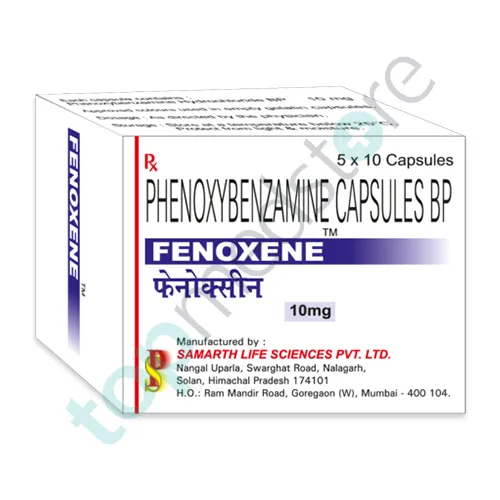
| Product name | Phenoxybenzamine 10mg |
|---|---|
| Active Ingredient | Phenoxybenzamine |
| Dosage | 10mg |
| Drug Type | Capsules |
| Indication | Pheochromocytoma |
| Manufacturer | Samarth |
Total $136.00
Phenoxybenzamine 10mg is a prescription medicine used to control high blood pressure in specific medical conditions. It is mainly used in pheochromocytoma (a rare condition where a small tumor in the adrenal gland releases too much stress hormone, causing sudden high blood pressure, sweating, headache, and fast heartbeat).
A urologist or endocrinologist (hormone and gland specialist) or a treating physician may prescribe this medicine depending on the cause of blood pressure changes.
This medicine helps relax blood vessels and keeps blood pressure more stable in hormone-related conditions.
The body produces natural stress hormones called adrenaline and noradrenaline (chemicals that increase heart rate and blood pressure during stress or danger). These hormones normally help the body react quickly in stressful situations.
In conditions like pheochromocytoma, these hormones are released in very high amounts. This causes blood vessels to tighten, leading to sudden spikes in blood pressure, headache, sweating, and anxiety-like symptoms.
Phenoxybenzamine works by blocking alpha receptors (special “switch points” on blood vessels that respond to stress hormones). When these receptors are blocked, the stress hormones cannot tighten the blood vessels.
As a result, blood vessels stay relaxed and open. Blood flows more easily, and blood pressure becomes more stable and controlled.
This effect is long-lasting because the medicine binds strongly to these receptors, so it keeps working even after the dose is taken.
Phenoxybenzamine 10mg is mainly used for pheochromocytoma treatment and control of hormone-related high blood pressure. It helps reduce sudden and dangerous spikes in blood pressure caused by excess stress hormone release.
It is also used before surgery in patients with adrenal gland tumors. In these cases, it helps stabilize blood pressure and reduces surgical risks.
Doctors may also use it in rare cases of autonomic nervous system disorders (conditions where the body’s automatic control of blood pressure, heart rate, and sweating does not work properly).
This medicine is not used for common everyday hypertension unless specifically advised by a specialist.
Phenoxybenzamine belongs to a group called alpha blockers (medicines that relax blood vessels by stopping stress hormone signals).
It blocks alpha receptors in the walls of blood vessels. Normally, these receptors respond to adrenaline and cause the vessels to become narrow.
When Phenoxybenzamine blocks these receptors, the blood vessels cannot tighten. Instead, they stay relaxed and wide.
This reduces resistance in blood flow, improves circulation, and lowers blood pressure.
Because it works in a strong and long-lasting way, it is especially useful in conditions where stress hormones rise suddenly and unpredictably.
Phenoxybenzamine 10mg may cause side effects, especially in the first few days or when the dose is adjusted.
The most common effect is low blood pressure (hypotension), especially when standing up quickly. This can cause dizziness, lightheadedness, or feeling faint.
Some people may experience fast heartbeat (tachycardia). This happens because the body tries to compensate for lower blood pressure.
Nasal congestion (blocked or stuffy nose) may also occur because blood vessels in the nose relax and widen.
Some patients may feel tiredness, weakness, or reduced energy levels during treatment.
Less common effects include nausea, vomiting, or stomach discomfort.
Rare but serious effects include very low blood pressure or allergic reactions, which require immediate medical attention.
Take Phenoxybenzamine 10mg exactly as prescribed by your urologist or endocrinologist (hormone and gland specialist) or doctor.
Do not stop this medicine suddenly, especially if it is being used for tumor-related blood pressure control.
Stand up slowly from sitting or lying positions to avoid dizziness or falls due to low blood pressure.
Avoid driving or heavy physical work if you feel dizzy or weak.
Tell your doctor if you have heart disease, low blood pressure, or are taking other blood pressure medicines.
Regular blood pressure monitoring is very important during treatment to ensure safe control.
This medicine works best under close medical supervision in hormone-related conditions.
This content is for educational purposes only. It is not a substitute for medical advice. Always consult a urologist or endocrinologist (hormone and gland specialist) before starting or stopping Phenoxybenzamine 10mg.
$50.40 – $129.92
$75.00 – $192.00
$35.28 – $89.60
$18.30 – $46.80