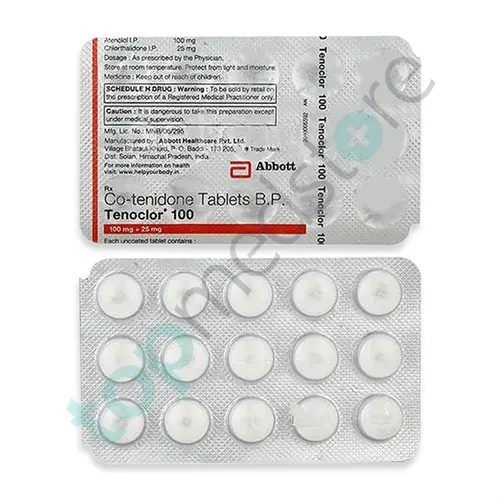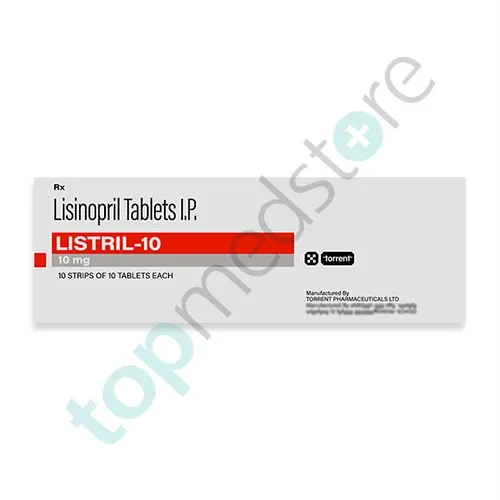
Atenolol 50mg
$50.40 – $129.92

Lercanidipine is a prescription medicine used to treat high blood pressure (hypertension). It is commonly prescribed by a cardiologist or general physician. This medicine belongs to a group called calcium channel blockers.
High blood pressure means the pressure of blood inside the arteries stays higher than normal. Over time, this can damage the heart, brain, kidneys, and blood vessels.
Lercanidipine tablets help relax and widen blood vessels. This allows blood to flow more easily and lowers blood pressure.
By controlling blood pressure, the medicine helps reduce the risk of serious health problems like heart attack, stroke, and kidney disease.
It is usually used as a long-term treatment and should be taken regularly as prescribed.
Lercanidipine works by relaxing the muscles in blood vessel walls.
Calcium normally enters muscle cells in blood vessels and causes them to tighten. When blood vessels tighten, blood pressure increases.
Lercanidipine blocks calcium from entering these muscle cells.
As a result, the blood vessels relax and widen. This process is called vasodilation.
When blood vessels become wider, blood flows more smoothly and blood pressure decreases.
This also reduces the amount of work the heart needs to do to pump blood through the body.
Doctors may monitor blood pressure regularly during treatment to ensure safe control.
Lercanidipine is mainly used for cardiovascular conditions related to high blood pressure.
One major use of Lercanidipine tablets is in the treatment of hypertension (high blood pressure).
It helps reduce the risk of complications caused by uncontrolled blood pressure, including stroke and heart disease.
Doctors may prescribe it alone or together with other blood pressure medicines for better control.
It is especially useful for long-term blood pressure management because it works gradually and steadily.
It is not used for emergency treatment of severely high blood pressure.
Regular use along with healthy lifestyle habits helps improve treatment results.
Lercanidipine works by blocking calcium channels in the smooth muscles of blood vessels.
Calcium is needed for these muscles to contract and tighten.
When Lercanidipine blocks calcium entry, the muscles relax.
Relaxed blood vessels become wider, allowing blood to move more easily.
This lowers blood pressure and improves circulation throughout the body.
Reduced blood pressure also decreases stress on the heart and blood vessels.
Doctors may adjust the dose depending on blood pressure response and overall health condition.
Like all medicines, Lercanidipine may cause side effects. Most are mild and improve with time.
Common side effects include headache, dizziness, flushing, ankle swelling, and fast heartbeat.
Some patients may feel tired or lightheaded, especially when starting treatment.
Because blood vessels relax, mild swelling in the feet or ankles may occur.
Rare but serious side effects include severe low blood pressure or worsening chest pain in sensitive patients.
Patients should avoid sudden standing movements if dizziness occurs.
Doctors may monitor blood pressure and heart response during treatment.
Seek medical help if severe chest pain, fainting, or serious swelling occurs.
This content is for educational purposes only and should not replace professional medical advice. Lercanidipine should only be used under the supervision of a qualified healthcare professional such as a cardiologist or general physician. Do not start, stop, or change the dose without medical guidance. Treatment response and safety may vary depending on blood pressure level, heart condition, and overall health status.
| Product name | Lercanidipine |
|---|---|
| Category | Blood Pressure Medicines |
| Shipping offer | Free shipping on orders of $110.00 or more |
$50.40 – $129.92
$75.00 – $192.00
$35.28 – $89.60
$18.30 – $46.80