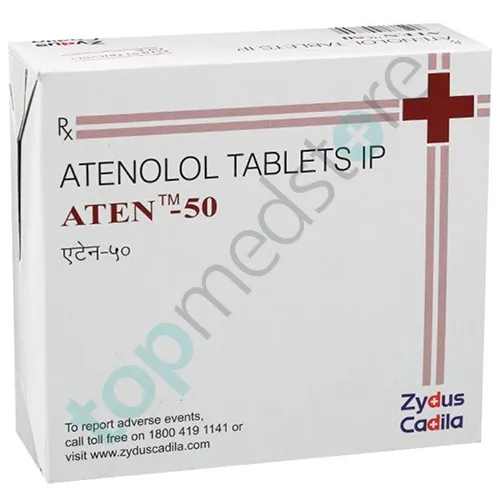
Atenolol 50mg
$50.40 – $129.92
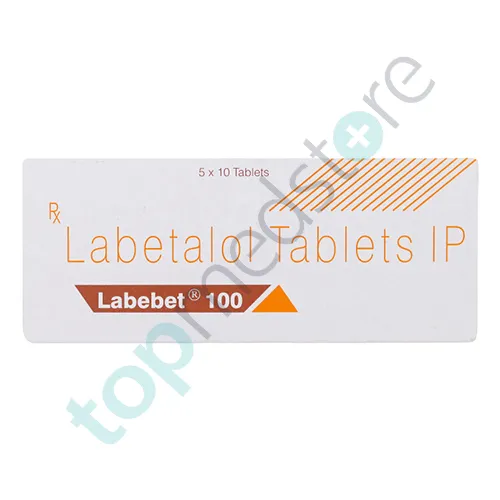
Labetalol is a prescription medicine used to treat high blood pressure (hypertension). A cardiologist or physician often prescribes it when blood pressure needs quick and steady control to protect the heart, brain, and kidneys.
High blood pressure means the force of blood against the artery walls is too high. Over time, this extra pressure can damage blood vessels and increase the risk of serious problems like heart attack, stroke, and kidney disease. Labetalol helps bring this pressure down and keeps it stable.
Labetalol belongs to a group of medicines called beta blockers with an additional alpha-blocking effect. This dual action makes it useful in more severe or urgent cases of hypertension, including hypertensive emergencies (very high blood pressure that needs fast treatment in hospital settings).
It is available as oral tablets and also as an injection in hospital use. Doctors decide the form based on how serious the blood pressure condition is and how quickly it needs to be controlled.
Labetalol works on the heart and blood vessels together to reduce blood pressure.
It blocks beta receptors, which are signals in the body that increase heart rate and heart strength. When these signals are blocked, the heart beats more slowly and with less force. This reduces pressure inside blood vessels.
At the same time, Labetalol blocks alpha receptors in blood vessel walls. These receptors normally cause blood vessels to tighten. When they are blocked, blood vessels relax and widen. Wider blood vessels allow blood to flow more easily, which lowers blood pressure.
Because it works in two ways, Labetalol reduces both the pumping force of the heart and resistance in blood vessels. This combination helps bring blood pressure down in a controlled and stable manner.
A cardiologist may monitor heart rate and blood pressure closely during treatment, especially in hospital settings. In some cases, the medicine is given intravenously for faster action when blood pressure is dangerously high.
The main use of Labetalol is the treatment of hypertension (high blood pressure). It is used when blood pressure is consistently high and needs medical control to prevent complications.
It is also used in hypertensive emergencies, where blood pressure rises to very dangerous levels and may harm organs. In such cases, Labetalol is often given in hospitals for quick and controlled reduction of blood pressure.
Doctors may use Labetalol during pregnancy-related hypertension, including conditions like preeclampsia. Preeclampsia is a pregnancy condition where high blood pressure can affect both mother and baby. In such cases, careful medical supervision is required.
It may also be used in patients who have high blood pressure along with heart-related conditions, where reducing heart workload is important. By slowing the heart rate and relaxing blood vessels, it helps reduce strain on the heart.
A cardiologist or emergency physician may choose Labetalol when other blood pressure medicines are not suitable or when faster control is needed.
It is not used for mild, occasional blood pressure changes. It is mainly for clinically significant or persistent hypertension.
Labetalol works by blocking two types of receptors in the body: beta receptors and alpha receptors.
Beta receptors control heart activity. When these receptors are active, they increase heart rate and force of pumping. Labetalol blocks these signals, which slows the heart and reduces how hard it pumps blood.
Alpha receptors control blood vessel tightening. When these receptors are active, blood vessels become narrow and increase blood pressure. Labetalol blocks this effect, allowing blood vessels to relax and widen.
When blood vessels widen and the heart pumps less forcefully, blood flows more smoothly through the body. This reduces overall blood pressure and lowers stress on the heart.
The medicine works relatively quickly, especially in injectable form used in hospitals. Oral tablets are used for longer-term blood pressure control.
A cardiologist may adjust the dose based on blood pressure readings, heart rate, and patient response. Regular monitoring is important because too much reduction in blood pressure can cause dizziness or weakness.
Patients should take the medicine at the same time daily if prescribed for long-term use. Sudden stopping is not recommended because it may cause a rebound increase in blood pressure.
Like all medicines, Labetalol can cause side effects, but not everyone experiences them.
Common side effects include dizziness, tiredness, mild headache, nausea, and feeling weak. These often happen because blood pressure drops as the medicine starts working.
Some people may experience a slow heart rate (bradycardia). This means the heart beats slower than normal. If it becomes too slow, medical attention may be needed.
Labetalol may also cause cold hands or feet due to reduced blood flow in the outer parts of the body.
In some patients, it can cause low blood pressure, especially when standing up quickly. This may lead to lightheadedness or fainting.
Rare but serious side effects include breathing difficulty, severe dizziness, or chest discomfort. Patients with asthma may experience breathing issues because beta blockers can affect airway muscles.
A cardiologist may monitor patients closely during treatment, especially those with heart disease or pregnancy-related hypertension, to ensure safe dosing and response.
This content is for educational purposes only and does not replace professional medical advice, diagnosis, or treatment. Labetalol should only be used under the supervision of a qualified cardiologist, physician, or healthcare professional. Always follow your doctor’s instructions and attend regular blood pressure monitoring for safe and effective treatment.
| Product name | Labetalol |
|---|---|
| Category | Blood Pressure Medicines |
| Shipping offer | Free shipping on orders of $110.00 or more |
$50.40 – $129.92
$75.00 – $192.00
$35.28 – $89.60
$18.30 – $46.80