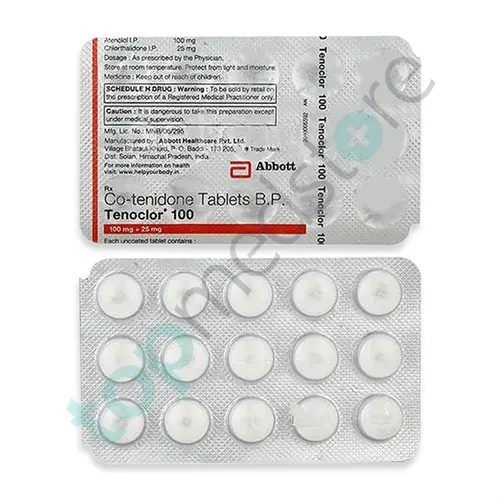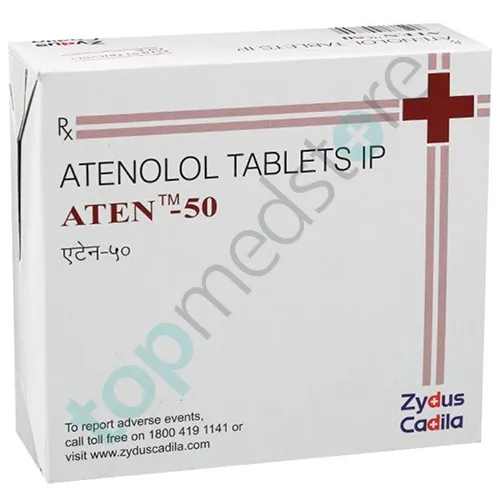
Atenolol 50mg
$50.40 – $129.92
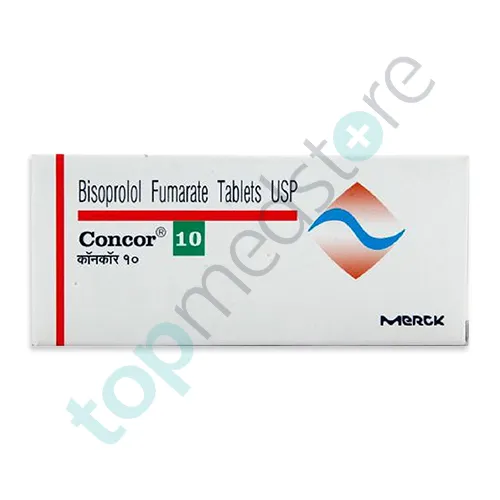
| Product name | Bisoprolol 10mg |
|---|---|
| Active Ingredient | Bisoprolol |
| Dosage | 10mg |
| Drug Type | Tablets |
| Indication | Hypertension |
| Manufacturer | Merck Ltd |
Total $65.00
Bisoprolol 10mg is a prescription medicine used to treat high blood pressure and certain heart conditions. It is commonly prescribed by a cardiologist when stronger control of heart rate and blood pressure is required. This higher dose is often used in patients who need more consistent and long-term cardiovascular management.
This medicine belongs to a group called beta-blockers. These medicines act on the heart and blood vessels to reduce strain and improve heart function.
In simple words, Bisoprolol 10mg helps slow the heart and lower blood pressure, making it easier for the heart to work.
The heart pumps blood throughout the body. When the heart beats too fast or with too much force, it increases blood pressure and puts extra stress on the heart.
The body uses signals called beta receptors to control heart rate and the strength of each heartbeat. When these signals are overactive, the heart works harder than necessary.
Bisoprolol blocks these beta receptors, especially those in the heart. This reduces the effect of stress hormones like adrenaline.
As a result, the heart beats more slowly and with less force. Blood pressure decreases, and the heart requires less oxygen to function.
In simple terms, this medicine calms the heart and reduces pressure in the blood vessels.
Bisoprolol 10mg is mainly used for high blood pressure, especially when strong control is needed.
It is also used in the management of chronic heart failure, a condition where the heart is not able to pump blood effectively.
Doctors may prescribe it for angina, which is chest pain caused by reduced blood flow to the heart.
In some cases, it is used to control fast or irregular heart rhythms, helping the heart beat in a steady pattern.
This medicine helps reduce the risk of serious heart problems, including heart attack and worsening heart failure.
In real-life treatment, doctors use this medicine when heart rate and blood pressure both need to be controlled for better long-term heart health.
Bisoprolol is a selective beta-1 blocker, which means it mainly acts on the heart.
It blocks the action of adrenaline on the heart. Adrenaline normally increases heart rate and force of contraction.
By blocking this effect, the medicine slows the heart rate and reduces the force of each heartbeat.
This lowers blood pressure and decreases the workload on the heart.
It also improves the efficiency of the heart, especially in patients with heart failure.
In simple words, this medicine slows down the heart and reduces its workload, helping it function more efficiently.
Most people tolerate this medicine well, but some side effects may occur, especially when starting or increasing the dose.
A common side effect is tiredness or fatigue, as the heart rate becomes slower.
Some people may feel dizziness or light-headedness, especially when standing up quickly.
You may notice a slow heart rate (bradycardia), which is expected but should be monitored.
In some cases, cold hands and feet may occur due to reduced blood flow in peripheral areas.
Some patients may experience shortness of breath during physical activity, especially at higher doses.
Less commonly, there may be sleep disturbances or mild digestive issues.
Most side effects are mild and improve as the body adjusts to the medicine.
Bisoprolol 10mg should be taken under the supervision of a cardiologist.
Do not stop this medicine suddenly, as it may cause a sudden increase in heart rate or blood pressure.
Regular monitoring of blood pressure and heart rate is important during treatment.
Inform your doctor if you have asthma, diabetes, or heart rhythm problems, as this medicine may require careful use.
Avoid excessive alcohol, as it may increase dizziness.
Take the medicine at the same time daily for consistent effect.
This medicine works best when combined with healthy lifestyle changes such as low salt diet, regular exercise, and weight control.
This content is for informational purposes only and does not replace medical advice, diagnosis, or treatment. Always consult your cardiologist before starting or changing any medicine.
$50.40 – $129.92
$75.00 – $192.00
$35.28 – $89.60
$18.30 – $46.80