Nicotine Polacrilex 4mg
$22.00 – $72.00
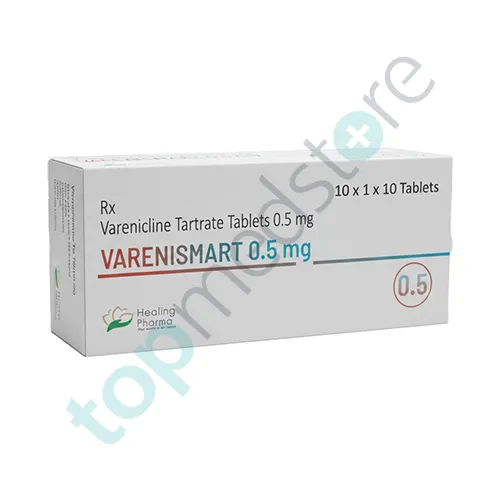
Varenicline is a prescription medicine used to help people stop smoking and reduce nicotine dependence. A psychiatrist, pulmonologist, or general physician may prescribe this medicine. A psychiatrist is a doctor who treats mental health and addiction-related conditions. A pulmonologist treats lung and breathing diseases.
Smoking addiction happens because nicotine affects brain chemicals linked with pleasure and reward. When people stop smoking, they may develop cravings, irritability, anxiety, restlessness, and difficulty concentrating.
Varenicline helps reduce cigarette cravings and withdrawal symptoms during smoking cessation treatment.
The medicine belongs to a group called smoking cessation medicines. Smoking cessation means treatment designed to help people quit smoking.
Doctors often combine this medicine with counseling, behavioral therapy, and lifestyle changes for better success.
It is usually available as oral tablets and is taken for several weeks or months depending on the treatment plan.
Varenicline works by affecting nicotine receptors inside the brain.
Nicotine from cigarettes attaches to special receptors and releases dopamine. Dopamine is a brain chemical linked with pleasure, reward, and addiction.
This dopamine release creates the addictive feeling that encourages repeated smoking.
Varenicline partially stimulates these nicotine receptors while also blocking nicotine from cigarettes.
Because of this action, the medicine helps reduce cravings and withdrawal symptoms.
At the same time, if a person smokes while taking the medicine, cigarettes may feel less satisfying because nicotine cannot fully activate the receptors.
This dual effect helps many people gradually reduce smoking and maintain long-term smoking cessation.
Doctors prescribe Varenicline mainly to help people quit smoking.
The medicine helps reduce nicotine cravings, smoking urges, and withdrawal symptoms during smoking cessation treatment.
Many smokers experience irritability, anxiety, sleep changes, increased appetite, or difficulty concentrating when trying to quit. Varenicline may help reduce these symptoms.
Doctors may recommend starting the medicine before the planned quit-smoking date to prepare the body and brain gradually.
The medicine may also help lower the pleasure linked with smoking, which supports long-term tobacco abstinence.
Successful smoking cessation can improve lung health, heart health, blood circulation, and overall quality of life.
Quitting smoking also lowers the risk of lung cancer, chronic obstructive pulmonary disease (COPD), heart attack, stroke, and many other smoking-related diseases.
Varenicline works on nicotinic acetylcholine receptors in the brain.
These receptors normally respond to nicotine from cigarettes and trigger dopamine release.
Varenicline partially activates these receptors, which helps reduce nicotine withdrawal symptoms without producing the same strong addictive effect as cigarettes.
The medicine also blocks nicotine from fully attaching to the receptors if smoking occurs.
As a result, smoking becomes less rewarding and less pleasurable.
This combination of craving reduction and nicotine blocking helps support smoking cessation efforts.
The medicine works gradually, so doctors usually increase the dose slowly during the first week of treatment.
Behavioral support, motivation, and counseling often improve treatment success rates.
Like all medicines, Varenicline may cause side effects, although many are mild and temporary.
Nausea is one of the most common side effects during treatment.
Some patients may experience headache, stomach discomfort, constipation, or gas.
Sleep-related problems such as vivid dreams, unusual dreams, or insomnia may also occur.
Certain people may feel dizziness, tiredness, or changes in appetite.
Mood changes, irritability, anxiety, or depression may rarely develop in some patients.
Doctors monitor mental health symptoms carefully, especially in patients with previous psychiatric conditions.
Rarely, serious allergic reactions or severe mood changes may occur.
Patients should seek medical help immediately if they develop suicidal thoughts, severe depression, chest pain, swelling, or breathing difficulty.
Regular follow-up visits help doctors monitor progress and side effects during smoking cessation treatment.
This content is for informational purposes only. It does not replace professional medical advice, diagnosis, or treatment. Always consult a psychiatrist, doctor, or healthcare professional before starting or changing Varenicline treatment. Use this medicine only as prescribed and combine treatment with proper smoking cessation counseling and lifestyle support for better results.
| Product name | Varenicline |
|---|---|
| Category | Mental Health & Addiction |
| Shipping offer | Free shipping on orders of $110.00 or more |
$22.00 – $72.00
$20.90 – $68.40
$72.80 – $238.56
$136.50 – $446.40