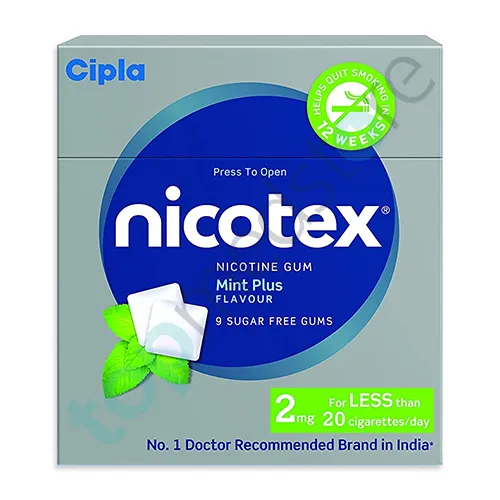
Nicotine Polacrilex 2mg
$20.90 – $68.40
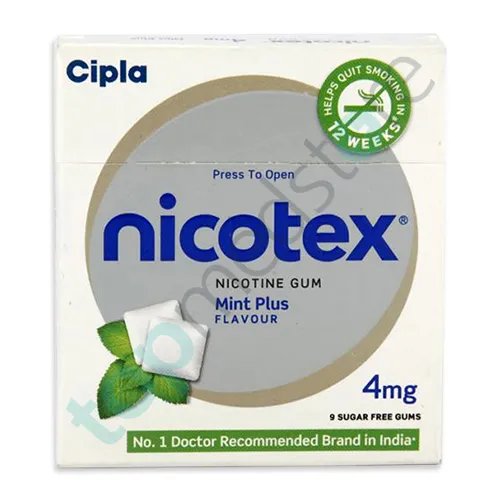
| Product name | Nicotine Polacrilex 4mg |
|---|---|
| Active Ingredient | Nicotine Polacrilex |
| Dosage | 4mg |
| Drug Type | Gums |
| Indication | Smoking Cessation |
| Manufacturer | Cipla Limited |
Nicotine Polacrilex 4mg Medicated Chewing Gum
Out of stock
Total $22.00
Nicotine Polacrilex 4mg is a nicotine replacement therapy (NRT) used to help people quit smoking and manage nicotine dependence. It is available as chewing gum or lozenges that release a controlled amount of nicotine into the body.
This higher strength is usually recommended for people who have strong nicotine cravings or smoke frequently. When a person stops smoking, the body reacts with withdrawal symptoms such as intense cravings, irritability, anxiety, restlessness, poor focus, and increased hunger.
Doctors recommend Nicotine Polacrilex 4mg gum or lozenge to reduce these withdrawal symptoms. It provides nicotine without harmful substances like tar, carbon monoxide, and toxic smoke chemicals found in cigarettes.
A general physician may suggest this therapy as part of a structured smoking cessation plan. It helps reduce dependence step by step and supports long-term quitting success.
This treatment improves craving control, withdrawal management, and smoking cessation outcomes.
Doctors use Nicotine Polacrilex 4mg to support tobacco addiction treatment and smoking cessation.
It helps reduce strong nicotine cravings, withdrawal symptoms, and urge to smoke. These cravings often occur during stress, after meals, or as part of daily habits.
People trying to quit smoking may feel irritability, mood swings, anxiety, restlessness, and difficulty concentrating. This medicine helps control these symptoms.
This higher dose is suitable for people who smoke more cigarettes per day or have high nicotine dependence.
Doctors may include it in a quit-smoking program along with behavioral support, habit control, and lifestyle changes.
Overall, Nicotine Polacrilex 4mg supports craving reduction, withdrawal relief, and gradual nicotine reduction.
Nicotine Polacrilex 4mg works by delivering a controlled dose of nicotine through the oral mucosa (lining of the mouth).
This helps maintain stable nicotine levels in the body. It prevents sudden drops that trigger strong cravings and withdrawal symptoms.
Unlike smoking, this method does not expose the body to toxic smoke, tar, or harmful gases.
Over time, patients reduce the frequency of use. This helps break physical dependence and behavioral habits linked to smoking.
In simple words, this medicine provides safer nicotine to reduce cravings and help you quit smoking.
Nicotine Polacrilex 4mg may cause mild side effects, especially in the beginning.
Common side effects include mouth irritation, throat discomfort, hiccups, and jaw pain (in gum form).
Some people may experience nausea, dizziness, headache, or increased salivation.
A few may notice heartburn or stomach discomfort, especially if used too quickly.
Rare side effects include palpitations (fast heartbeat) or allergic reactions.
Most side effects are mild and improve with proper use.
Patients should contact a doctor if symptoms become severe or do not improve.
Doctors advise using Nicotine Polacrilex 4mg as directed.
Patients should follow the correct technique. They should chew the gum slowly and park it between the cheek and gum for better absorption.
Patients should avoid food and drinks before and during use, as this may reduce effectiveness.
This product should not be used along with smoking or other nicotine products, as it may increase the risk of nicotine overdose.
Patients should inform their doctor if they have heart disease, high blood pressure, diabetes, or gastric ulcers.
Pregnant or breastfeeding women should use this medicine only after medical advice.
Support from counseling and lifestyle changes can improve success in quitting.
Always purchase Nicotine Polacrilex 4mg from trusted pharmacy sources to ensure quality, safety, and genuine product.
This content is for educational purposes only. Nicotine Polacrilex 4mg should be used under the supervision of a qualified healthcare professional or general physician as part of a smoking cessation program.
$20.90 – $68.40
$72.80 – $238.56
$136.50 – $446.40