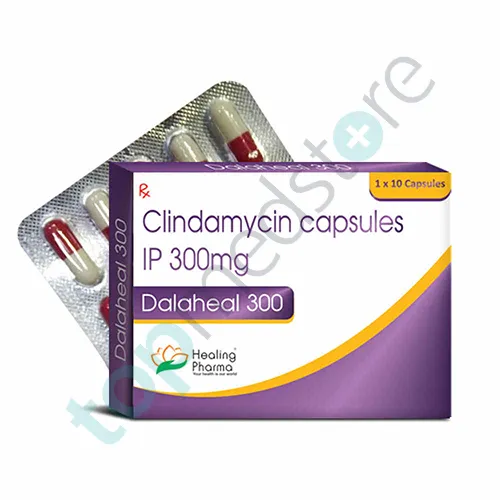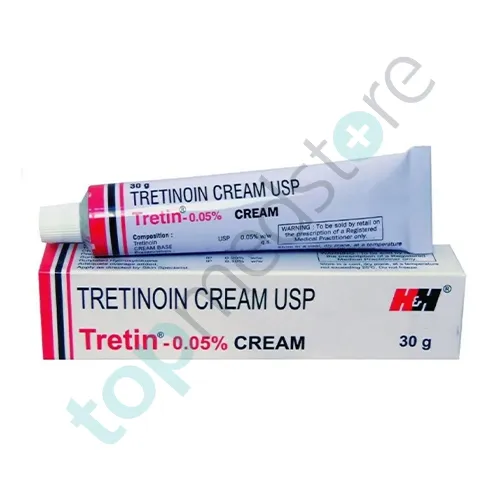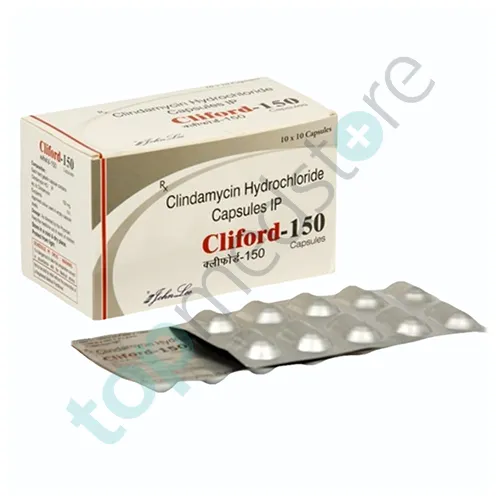
Clindamycin 150mg Capsules
$69.60 – $227.20
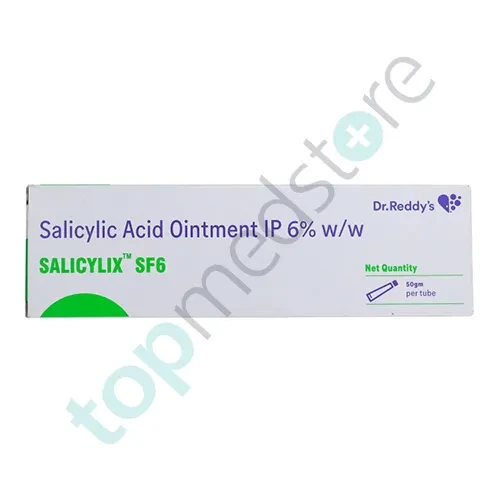
Salicylic Acid is a medicine used to treat skin problems such as acne, warts, dandruff, and thick or rough skin. A dermatologist usually prescribes or recommends this medicine. A dermatologist is a doctor who treats skin, hair, and nail conditions.
Salicylic Acid is a type of medicine called a keratolytic agent. This means it helps remove dead skin cells from the skin surface.
Dead skin cells can build up and block pores. Pores are tiny openings in the skin. When pores get blocked, acne and pimples may form.
Salicylic Acid is commonly available as creams, gels, lotions, shampoos, and ointments.
It is widely used in mild to moderate skin conditions and is also found in many over-the-counter skincare products.
Salicylic Acid works mainly on the outer layer of the skin.
It softens and loosens dead skin cells so they can be removed easily. This helps clear blocked pores and improves skin texture.
When pores are clean, oil and dirt do not get trapped inside. This reduces the chance of pimples and blackheads.
Blackheads are small dark spots caused by clogged pores.
Salicylic Acid also helps reduce swelling and redness in acne-prone skin. It gently calms irritation and supports skin healing.
In conditions like dandruff, it helps remove flaky skin from the scalp and improves scalp cleanliness.
The medicine works only on the skin surface and does not enter deep into the body in large amounts when used correctly.
Doctors commonly use Salicylic Acid for acne and skin scaling conditions.
It is widely used in acne vulgaris, a common skin condition that causes pimples, blackheads, and oily skin.
It is also used for warts, which are small rough growths on the skin caused by viruses.
Salicylic Acid helps in psoriasis, a long-term skin condition where skin cells grow too quickly and form thick, scaly patches.
It is also used for dandruff, which causes white flakes and itching on the scalp.
Doctors may also recommend it for rough, thick skin areas like corns and calluses. Corns and calluses are hardened skin patches caused by pressure or friction.
Regular use may help improve skin smoothness and reduce buildup of dead skin layers.
Salicylic Acid works by breaking down the bonds between dead skin cells.
These bonds hold skin cells together on the surface. When Salicylic Acid loosens them, the dead skin sheds more easily.
This process helps clear clogged pores and reduces oil buildup in the skin.
It also helps reduce bacteria growth inside pores, which may lower acne formation.
On the scalp, it breaks down flaky skin and helps remove dandruff more effectively.
The skin becomes smoother, cleaner, and less irritated with regular use.
Doctors usually advise starting with a low strength to avoid skin irritation, especially in sensitive skin.
Like all medicines, Salicylic Acid may cause side effects, especially if used in high strength or on sensitive skin.
Some people may feel mild burning, stinging, or redness after applying it. This usually reduces as the skin adjusts.
Dryness and peeling of the skin are also common because the medicine removes dead skin layers.
In some cases, the skin may become more sensitive to sunlight, which can lead to sunburn if protection is not used.
Rarely, strong reactions like severe irritation, swelling, or blistering may occur.
If Salicylic Acid is used over large areas or for too long, it may cause excessive dryness or skin damage.
Patients should stop using it and consult a doctor if irritation becomes severe or does not improve.
This content is for informational purposes only and does not replace professional medical advice, diagnosis, or treatment. Always consult a dermatologist, doctor, or healthcare professional before starting or changing Salicylic Acid treatment. Use this medicine only as directed and follow proper skin care instructions carefully.
| Product name | Salicylic Acid |
|---|---|
| Category | Acne Treatments |
| Shipping offer | Free shipping on orders of $110.00 or more |
$69.60 – $227.20
$37.00 – $120.80
$118.95 – $389.28
$65.00 – $212.00