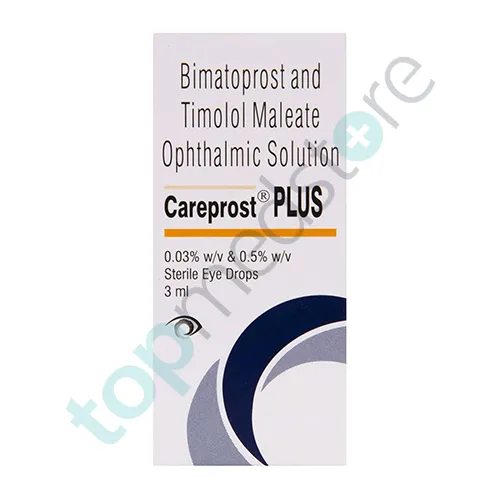
Bimatoprost-Timolol 0.03%-0.05% 3ml
$89.08 – $291.52
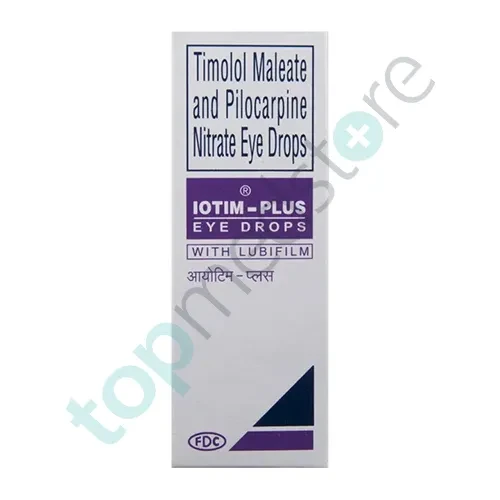
| Product name | Pilocarpine-Timolol 0.2%-0.5% Eye Drops 5ml |
|---|---|
| Active Ingredient | Pilocarpine-Timolol |
| Dosage | 0.2%-0.5%-5ml |
| Drug Type | Bottles |
| Indication | Open-Angle Glaucoma |
| Manufacturer | FDC |
Pilocarpine-Timolol 0.2%-0.5%-5ml Solution/Drops
In stock
Total $58.74
High pressure inside the eye can slowly damage vision if not controlled early. Pilocarpine–Timolol 0.2%–0.5% eye drops 5ml help reduce this pressure and protect the optic nerve. This medicine is a combination of two drug classes. Pilocarpine is a miotic (cholinergic agonist), and timolol is a beta-blocker. Doctors use this combination to treat glaucoma and ocular hypertension. An ophthalmologist often prescribes it when single medicines do not provide enough control.
Glaucoma is a condition where intraocular pressure (IOP) increases inside the eye. This pressure can damage the optic nerve, which is important for vision. Over time, it may lead to vision loss or even blindness if untreated. Many patients do not notice symptoms early. Some may experience blurred vision, eye pain, headache, or halos around lights in advanced stages.
Pilocarpine–Timolol 0.2%–0.5% eye drops 5ml help control eye pressure and reduce the risk of nerve damage. Regular use helps protect long-term vision.
Doctors prescribe Pilocarpine–Timolol 0.2%–0.5% eye drops 5ml to manage glaucoma and ocular hypertension.
Doctors prescribe it for open-angle glaucoma, the most common type. It helps reduce eye pressure and prevents further damage to the optic nerve.
Doctors also use it for ocular hypertension, where pressure is high but vision damage has not yet occurred. Early treatment helps prevent progression to glaucoma.
This combination is useful when one medicine alone does not lower pressure enough. It provides better control through dual action.
Regular use helps protect vision and reduces the risk of long-term complications.
Pilocarpine stimulates muscarinic receptors and increases aqueous humor outflow. Timolol blocks beta receptors and reduces aqueous humor production.
In simple words, Pilocarpine–Timolol 0.2%–0.5% eye drops 5ml work in two ways. Pilocarpine helps fluid drain out of the eye more easily.
Timolol reduces the amount of fluid the eye produces. This combination lowers pressure inside the eye.
Lower pressure helps protect the optic nerve and maintain clear vision.
Patients may experience some side effects while using Pilocarpine–Timolol 0.2%–0.5% eye drops 5ml, but most are mild.
Common side effects include eye irritation, burning sensation, redness, and blurred vision after application. These effects usually last for a short time.
Some patients may notice headache, brow ache, or difficulty seeing in low light due to pupil constriction.
Moderate side effects include dry eyes, sensitivity to light, or mild dizziness.
Rare side effects may include slow heart rate, breathing difficulty, or allergic reactions due to timolol absorption. Seek medical help if you notice serious symptoms.
Doctors advise using Pilocarpine–Timolol 0.2%–0.5% eye drops 5ml exactly as prescribed. Wash your hands before use. Instill the drops into the affected eye as directed.
Avoid touching the dropper tip to prevent contamination. Close your eyes gently after use and press the inner corner of the eye for a few seconds. This reduces systemic absorption.
Remove contact lenses before applying the drops. Wait at least 15 minutes before reinserting them.
Tell your doctor if you have asthma, heart disease, or breathing problems, as timolol may affect these conditions. Also inform your doctor about other eye medications.
Avoid driving immediately after use if vision becomes blurred. Use the medicine regularly for best results.
An ophthalmologist will monitor your eye pressure and adjust treatment if needed.
Always purchase Pilocarpine–Timolol 0.2%–0.5% eye drops 5ml from trusted pharmacy sources to ensure safety and effectiveness.
This content is for informational purposes only. Use Pilocarpine–Timolol 0.2%–0.5% eye drops 5ml only under the supervision of a qualified ophthalmologist or healthcare professional. Do not self-medicate or change usage without medical advice.
$89.08 – $291.52
$60.06 – $196.56
$69.27 – $226.68
$79.17 – $259.08