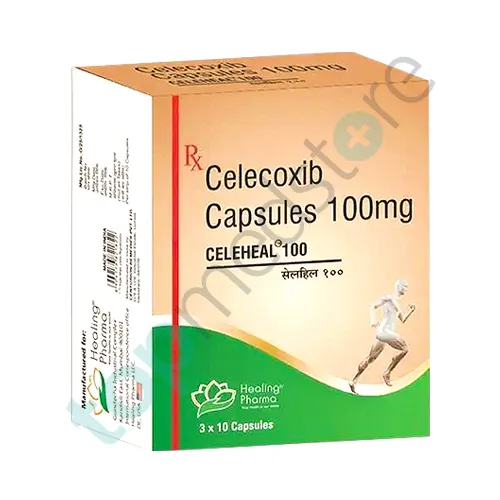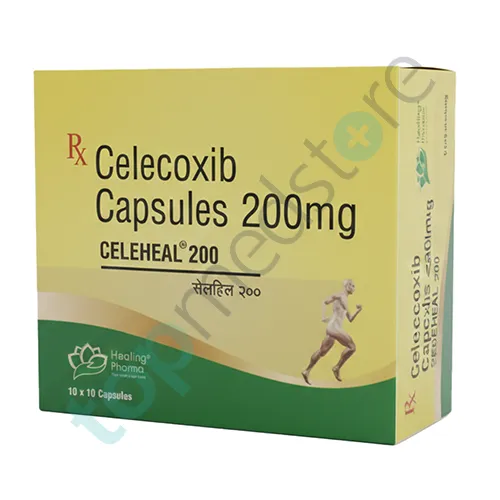
Celecoxib 200mg
$28.50 – $92.40

| Product name | Penicillamine 250mg |
|---|---|
| Active Ingredient | Penicillamine |
| Dosage | 250mg |
| Drug Type | Capsules |
| Indication | Wilson's Disease |
| Manufacturer | Mankind Pharma Ltd |
Total $200.00
Certain long-term conditions can cause harmful substances to build up in the body and damage organs over time. Penicillamine 250mg tablet helps remove these harmful substances and supports better health. It belongs to a group of medicines called chelating agents and also acts as a disease-modifying antirheumatic drug (DMARD). Doctors use this medicine for specific conditions that need long-term management. A rheumatologist or hepatologist often prescribes it based on the condition.
One common use is in Wilson’s disease, a genetic disorder where copper builds up in the liver, brain, and other organs. This can cause symptoms like fatigue, tremors, behavior changes, and liver problems. Another important use is in rheumatoid arthritis, an autoimmune condition that causes joint pain, swelling, and stiffness. The medicine helps slow disease progression.
Doctors also use it for cystinuria, a condition that causes kidney stones due to high cystine levels in urine. Penicillamine 250mg tablet helps reduce these levels and prevents stone formation.
Doctors prescribe Penicillamine 250mg tablet to treat conditions related to metal buildup and autoimmune activity.
Doctors prescribe it for Wilson’s disease. It binds to excess copper and helps remove it from the body through urine. This reduces organ damage and improves symptoms.
Doctors also prescribe it for rheumatoid arthritis when other treatments do not work well. It helps reduce joint inflammation and slows disease progression.
Doctors use it for cystinuria. It lowers cystine levels in urine and helps prevent kidney stone formation.
In some cases, doctors may use it for other heavy metal toxicity under careful supervision.
Penicillamine forms stable complexes with heavy metals like copper. It also modulates immune activity in autoimmune conditions.
In simple words, Penicillamine 250mg tablet binds to excess copper in the body. It helps remove copper through urine.
In rheumatoid arthritis, it reduces immune system activity that causes joint damage. This helps reduce swelling and pain.
This dual action makes it useful in different medical conditions.
Patients may experience some side effects while using Penicillamine 250mg tablet, and some may require close monitoring.
Common side effects include nausea, vomiting, loss of appetite, and skin rash. Some patients may notice changes in taste.
Moderate side effects include joint pain, fever, or mild kidney-related changes. Regular tests help monitor these effects.
Rare but serious side effects include bone marrow suppression, severe allergic reactions, or kidney damage. Symptoms may include unusual bruising, fatigue, or reduced urine output.
Contact your doctor if you notice any unusual symptoms.
Doctors advise taking Penicillamine 250mg tablet exactly as prescribed. Take it on an empty stomach for better absorption. Swallow the tablet with water.
Regular blood and urine tests are important during treatment. These tests help monitor kidney function and blood cell levels.
Tell your doctor if you have kidney disease, liver problems, or a history of blood disorders. These conditions need careful monitoring.
Avoid taking this medicine with certain supplements or antacids without advice. They can affect absorption.
Maintain a balanced diet and follow your doctor’s guidance for long-term treatment. A rheumatologist or hepatologist will closely monitor your progress.
Always purchase Penicillamine 250mg tablet from trusted pharmacy sources to ensure safety and effectiveness.
This content is for informational purposes only. Use Penicillamine 250mg tablet only under the supervision of a qualified rheumatologist or healthcare professional. Do not self-medicate or change your dosage without medical advice.
$28.50 – $92.40
$18.90 – $62.40
$16.50 – $54.00
$117.00 – $384.00