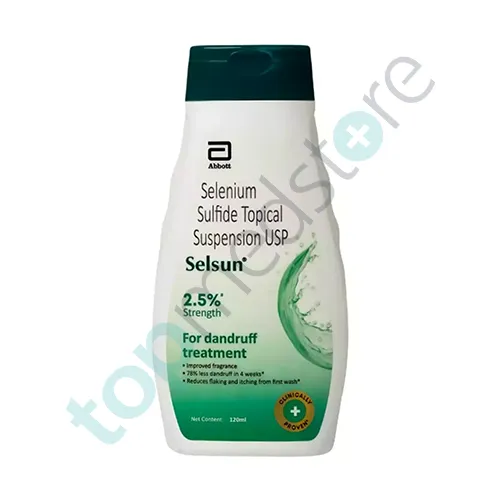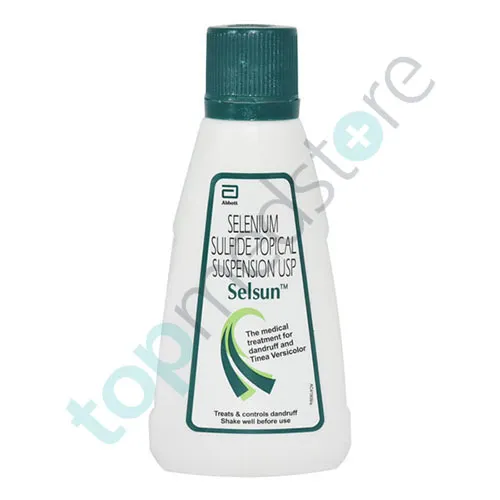
Selenium Sulfide 2.5%-60ml (Topical Suspension)
$30.93 – $101.16
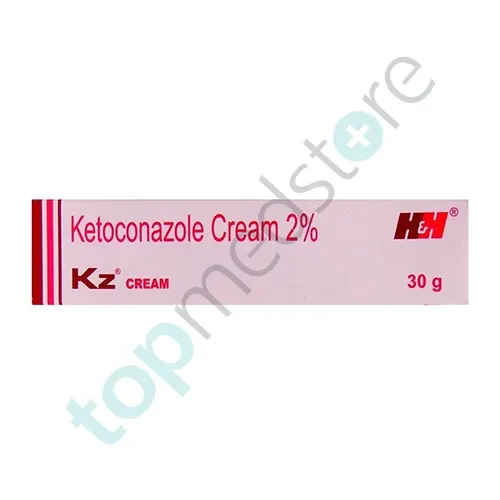
| Product name | Ketoconazole Cream 2%-30gm |
|---|---|
| Active Ingredient | Ketoconazole |
| Dosage | 2% 30g |
| Drug Type | Tubes |
| Indication | Fungal Skin Infection |
| Manufacturer | Hegde and Hegde Pharmaceutical LLP |
Total $120.12
Ketoconazole 2% cream is a topical antifungal medicine used to treat fungal infections of the skin. It is commonly prescribed by a dermatologist when the skin develops redness, itching, scaling, or ring-shaped rashes caused by fungal overgrowth.
This medicine comes in a 30gm tube and is applied directly to the affected skin area. It works locally on the skin surface and does not significantly enter the bloodstream when used correctly.
In simple words, Ketoconazole Cream 2% helps stop fungal infection on the skin and reduces itching, redness, and irritation.
Fungal infections happen when certain fungi grow excessively on the skin. These fungi feed on skin oils and dead skin cells, leading to irritation and visible rashes.
Ketoconazole works by damaging the fungal cell structure. It blocks the production of substances that fungi need to grow and survive.
When fungi are weakened, they cannot spread or multiply, and the skin gradually starts healing.
In simple terms, this cream removes fungal infection by stopping fungal growth and restoring healthy skin conditions.
Doctors prescribe Ketoconazole Cream 2% for several types of fungal skin infections.
It is commonly used for ringworm infection (tinea corporis), which appears as red, circular, itchy patches on the skin.
It is also used for jock itch (tinea cruris), which affects the groin area and causes itching, redness, and discomfort.
Another common use is athlete’s foot (tinea pedis), a fungal infection that affects the feet and causes peeling, itching, and cracked skin.
It may also be used for yeast infections of the skin, where excessive yeast growth leads to irritation and redness.
In some cases, dermatologists use it for seborrheic dermatitis, a condition that causes flaky, oily, and itchy skin especially on the face, scalp, and chest.
Ketoconazole belongs to a group of medicines called azole antifungals.
It works by blocking the production of ergosterol, a key component of the fungal cell membrane.
Ergosterol is essential for maintaining fungal cell strength and structure. Without it, the fungal cell membrane becomes weak and breaks down.
In simple words, this medicine destroys the protective layer of fungi, stopping their growth and eventually clearing the infection.
Because it works directly on the skin, it provides targeted treatment at the infection site.
Most people tolerate this cream well, but some mild side effects may occur.
A common effect is skin irritation, which may feel like mild burning, itching, or stinging after application.
Some users may experience dry skin, especially in areas where the cream is applied frequently.
In rare cases, redness or mild swelling may occur due to skin sensitivity.
Occasionally, peeling or increased itching may be noticed during the initial days of treatment as the skin adjusts.
Very rarely, allergic reactions such as severe redness or rash may occur and require medical attention.
Most side effects are temporary and improve with continued use.
Ketoconazole Cream 2% (30gm) should be used exactly as prescribed by a dermatologist.
Apply a thin layer only on the affected area and gently spread it without rubbing too harshly.
Avoid contact with eyes, mouth, and broken skin unless directed by a doctor.
Wash hands before and after application to prevent spreading infection.
Do not cover the treated area with tight bandages unless advised.
Continue using the cream for the full prescribed duration even if symptoms improve early, as stopping too soon may cause recurrence of infection.
If prescribed, use this cream only from trusted pharmacy sources.
Ketoconazole Cream 2% (30gm) is a prescription antifungal medicine. It should only be used under the supervision of a dermatologist. This content is for informational purposes only and does not replace medical advice, diagnosis, or treatment. Always consult your doctor before starting or changing any medicine.
$30.93 – $101.16
$41.22 – $134.88
$134.00 – $440.00
$96.00 – $314.24