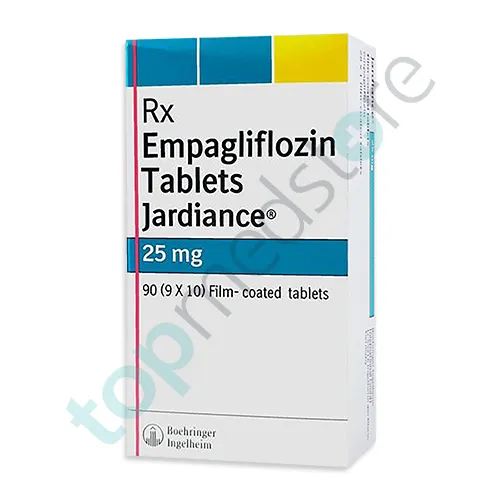
Empagliflozin 25mg
$165.00 – $420.00

| Product name | Glipizide-Metformin 5mg-500mg |
|---|---|
| Active Ingredient | glipizide-metformin |
| Dosage | 5mg-500mg |
| Drug Type | Tablets |
| Indication | Type 2 Diabetes |
| Manufacturer | Franco India |
Total $76.00
Glipizide–Metformin 5mg–500mg is a prescription medicine used to treat type 2 diabetes mellitus. It is usually prescribed by a physician or diabetologist when blood sugar is not controlled well with diet, exercise, or a single medicine.
This medicine is a fixed-dose combination, meaning it contains two diabetes medicines:
In simple words, this medicine controls blood sugar using two different actions—more insulin release and less sugar production in the body.
In type 2 diabetes (a long-term condition where blood sugar stays high because the body does not use insulin properly or does not make enough insulin), glucose builds up in the blood instead of being used for energy.
Insulin is a natural hormone made by the pancreas. It helps move sugar from the blood into body cells for energy.
Glipizide helps the pancreas release more insulin, which lowers blood sugar levels, especially after meals.
Metformin works in a different way. It reduces the amount of sugar made by the liver and also improves how the body responds to insulin.
When both medicines work together, they help keep blood sugar levels more stable throughout the day.
In simple words, one medicine increases insulin, and the other reduces extra sugar production, helping better diabetes control.
This medicine is mainly used for type 2 diabetes mellitus, especially when a single medicine is not enough to control blood sugar.
It helps control:
Doctors prescribe it to improve overall glycemic control (keeping blood sugar stable throughout the day).
It also helps reduce the risk of long-term diabetes complications such as:
Nerve damage (neuropathy)
Kidney problems (nephropathy)
Eye damage (retinopathy)
In clinical practice, a doctor uses this medicine when stronger combined control of blood sugar is needed in type 2 diabetes patients.
This medicine works through two different but complementary actions.
Glipizide (a sulfonylurea that stimulates insulin release from pancreatic beta cells) helps the body produce more insulin.
Metformin (a medicine that reduces glucose production in the liver and improves insulin sensitivity, meaning the body uses insulin more effectively) helps lower sugar production and improves glucose use in cells.
Together, they provide dual action control of blood sugar levels.
In simple words, this medicine helps your body make more insulin and also reduces extra sugar made by the liver, leading to better blood sugar control.
Some people may experience low blood sugar (hypoglycemia, a condition where blood sugar drops too low, causing sweating, dizziness, hunger, shakiness, or weakness), mainly due to glipizide.
There may be stomach-related effects like nausea, bloating, or diarrhea, commonly linked with metformin.
Some individuals may feel headache or dizziness, especially in the early stage of treatment.
In some cases, weight changes (gain or mild loss depending on body response and diet) may occur.
Rarely, vitamin B12 deficiency (low levels of an important vitamin needed for nerve health and blood formation) may develop with long-term metformin use.
Most side effects improve with proper diet, regular meals, and correct dosage.
This medicine should be taken only under the supervision of a physician or diabetologist.
Do not skip meals, as it increases the risk of low blood sugar.
Monitor blood sugar levels regularly for safe control.
Be careful while driving or operating machinery if symptoms of low blood sugar occur.
Inform your doctor if you have kidney disease, liver disease, or frequent hypoglycemia episodes.
Follow diet and exercise recommendations for best results.
This content is for informational purposes only and does not replace medical advice, diagnosis, or treatment. Always consult your physician or diabetologist before starting or changing any medicine.
$165.00 – $420.00
$77.00 – $252.00
$70.00 – $229.60
$60.20 – $197.12