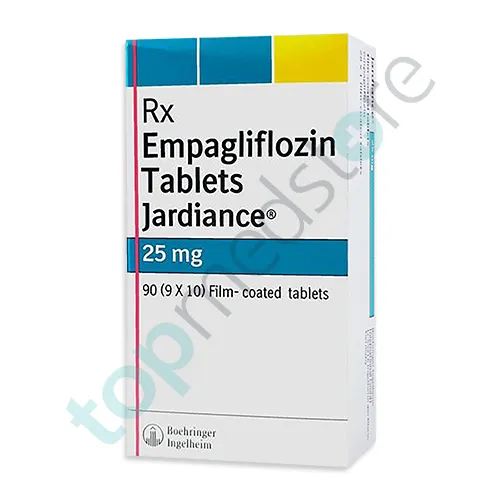
Empagliflozin 25mg
$165.00 – $420.00

| Product name | Glipizide-Metformin 2.5mg-250mg |
|---|---|
| Active Ingredient | glipizide-metformin |
| Dosage | 2.5mg-250mg |
| Drug Type | Tablets |
| Indication | Type 2 Diabetes |
| Manufacturer | Franco India |
Total $74.00
Glipizide + Metformin 2.5mg–250mg is a combination medicine used to control high blood sugar in type 2 diabetes.
Type 2 diabetes is a long-term condition where the body cannot use insulin properly. Insulin is the hormone that helps move sugar from the blood into the body’s cells for energy. When this process does not work well, blood sugar stays high.
This medicine combines two different diabetes drugs that work in different ways. Because of this, it helps improve blood sugar control more effectively than a single medicine in some patients.
Doctors such as endocrinologists and general physicians often prescribe this combination when diet, exercise, and single medicines are not enough.
After taking Glipizide–Metformin 2.5mg–250mg, both medicines start working together in the body.
Metformin works mainly by reducing the amount of sugar made by the liver. It also helps the body respond better to insulin and reduces sugar absorption from food in the intestines.
Glipizide works differently. It helps the pancreas release more insulin into the blood.
Insulin then helps move sugar from the blood into body cells where it is used for energy.
When both medicines work together, blood sugar levels come down in a more balanced way throughout the day.
This helps control both fasting blood sugar and after-meal blood sugar spikes.
Doctors prescribe Glipizide–Metformin 2.5mg–250mg mainly for type 2 diabetes management.
It is used when blood sugar cannot be controlled well with diet, exercise, or a single medicine alone.
This combination helps reduce high blood sugar levels and improves overall glucose control.
It is often used in patients who need stronger treatment because their pancreas still produces some insulin but not enough, or the body does not use insulin properly.
Good blood sugar control helps reduce the risk of diabetes complications such as nerve damage, kidney disease, eye problems, and heart disease.
Doctors adjust the dose based on blood sugar readings and patient response.
Glipizide and Metformin work together to control blood sugar through two different actions.
Metformin reduces sugar production in the liver and improves insulin sensitivity in the body. This helps lower the amount of glucose released into the blood.
Glipizide stimulates the pancreas to release more insulin. This extra insulin helps move sugar from the blood into the cells.
Because they work in different ways, they provide better overall blood sugar control.
This combination helps manage both morning sugar levels and sugar spikes after meals.
Doctors usually monitor blood sugar regularly to ensure the balance is safe and effective.
Like all medicines, Glipizide–Metformin 2.5mg–250mg may cause side effects in some patients.
Common side effects include:
nausea, stomach upset, diarrhea, dizziness, headache, and mild weakness.
Metformin may cause mild digestive discomfort, especially at the start of treatment.
Glipizide may sometimes cause low blood sugar (hypoglycemia), especially if meals are skipped.
Signs of low blood sugar include sweating, shaking, hunger, confusion, or fast heartbeat.
Less common side effects include:
weight gain, metallic taste in the mouth, or mild fatigue.
Rare but serious side effects include:
severe low blood sugar, lactic acidosis (from metformin), or allergic reactions.
Patients should eat regular meals and follow dietary advice to reduce risks.
Doctors may adjust the dose if side effects occur.
This content is for educational purposes only. It does not replace medical advice, diagnosis, or treatment. Always consult an endocrinologist or healthcare professional before using Glipizide–Metformin 2.5mg–250mg. Use this medicine only as prescribed and follow proper diet and monitoring for safe diabetes control.
$165.00 – $420.00
$77.00 – $252.00
$70.00 – $229.60
$60.20 – $197.12