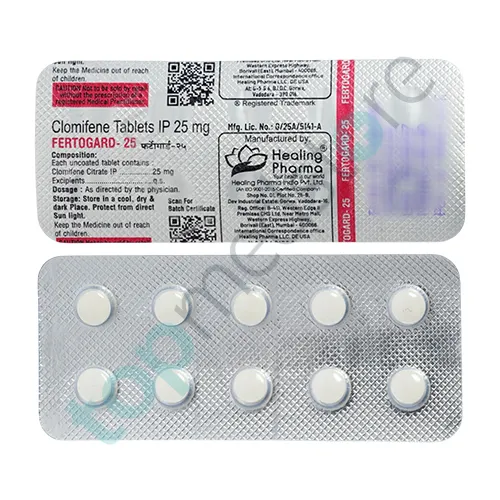
Clomifene/Clomiphene 100mg
$150.50 – $494.00

Enclomiphene is a prescription medicine used to treat male infertility and low testosterone levels (male hypogonadism). A urologist or andrologist may prescribe it when the body is not producing enough natural testosterone, which can affect fertility, energy levels, mood, and sexual health.
Low testosterone means the male body has reduced levels of a key hormone needed for sperm production, muscle strength, and normal sexual function. Enclomiphene helps the body restart its natural hormone production instead of replacing testosterone directly.
It belongs to a group of medicines related to selective estrogen receptor modulators (SERMs). Even though it is related to estrogen pathways, its main role in men is to improve the brain’s hormonal signaling system so the testes produce more testosterone and sperm.
Doctors usually prescribe it for men who want to improve fertility while also increasing natural testosterone levels.
Enclomiphene works by acting on the brain, specifically the hypothalamus and pituitary gland, which control hormone production.
When testosterone levels are low, the brain normally sends signals to the testes to produce more. In some men, this signaling becomes weak. Enclomiphene helps strengthen this communication.
It blocks certain estrogen signals in the brain. This may sound unusual, but estrogen in small amounts plays a role in hormone feedback. By blocking this signal, the brain thinks testosterone levels are low and responds by increasing hormone production signals.
These signals increase two important hormones: LH (luteinizing hormone) and FSH (follicle-stimulating hormone). LH stimulates testosterone production in the testes, while FSH supports sperm production.
As a result, the body naturally increases testosterone levels and may also improve sperm count and quality over time.
A urologist may monitor hormone levels through blood tests to check how well the treatment is working.
The main use of Enclomiphene is the treatment of secondary hypogonadism in men, a condition where the brain does not send enough signals to produce testosterone.
It is also used to help improve male infertility by increasing sperm production. This is especially helpful in men who have low sperm count linked to hormonal imbalance.
Unlike direct testosterone therapy, which replaces hormones from outside, Enclomiphene helps the body produce its own testosterone. This is important for men who want to maintain or improve fertility.
Doctors may prescribe it for symptoms of low testosterone such as low energy, reduced libido (sex drive), mood changes, and difficulty building muscle.
A urologist or fertility specialist may use it as part of a broader treatment plan for couples trying to conceive.
It is not used for general fatigue or lifestyle-related tiredness unless hormone deficiency is confirmed through tests.
Enclomiphene works by improving hormonal communication between the brain and the testes.
It blocks estrogen receptors in the brain. Normally, estrogen sends a signal that tells the brain to reduce testosterone production when levels are sufficient. When this signal is blocked, the brain interprets it as low testosterone.
In response, the brain increases production of LH and FSH hormones.
LH signals the testes to produce more testosterone. FSH supports the development of sperm cells. Together, these hormones help restore natural reproductive function.
Because it stimulates the body’s own hormone system, Enclomiphene can help increase testosterone without suppressing sperm production. This is a key difference from direct testosterone replacement therapy, which may reduce fertility in some men.
A urologist may adjust the dose based on hormone levels and treatment response to maintain balance and avoid overstimulation.
Like all medicines, Enclomiphene may cause side effects, although many men tolerate it well.
Common side effects include headache, nausea, mild dizziness, and hot flashes. Hot flashes feel like sudden warmth in the body and are linked to hormonal changes.
Some patients may experience mood changes, irritability, or mild fatigue during early treatment as hormone levels adjust.
Less commonly, it may cause breast tenderness or mild visual disturbances.
Rare but serious side effects include severe mood changes, persistent vision problems, or signs of hormonal imbalance. These require medical attention.
Because the medicine affects hormone levels, regular monitoring is important. A urologist may check testosterone, LH, FSH, and sperm parameters during treatment.
Patients should not adjust the dose on their own, as hormone balance is sensitive and needs medical supervision.
This content is for educational purposes only and does not replace professional medical advice, diagnosis, or treatment. Enclomiphene should only be used under the supervision of a qualified urologist, andrologist, or healthcare professional. Always follow your doctor’s instructions and undergo regular hormone monitoring for safe and effective treatment.
| Product name | Enclomiphene |
|---|---|
| Category | Men's Health |
| Shipping offer | Free shipping on orders of $110.00 or more |
$150.50 – $494.00
$48.00 – $156.00
$55.00 – $180.00
$183.00 – $600.00