Rifaximin 200mg
$207.00 – $680.00
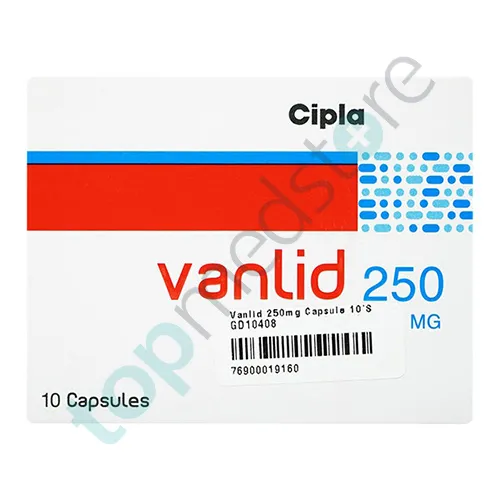
Vancomycin is a strong antibiotic medicine that doctors use to treat serious bacterial infections. It belongs to a group of medicines called glycopeptide antibiotics. These medicines kill harmful bacteria and help stop infections from spreading in the body.
Doctors often use Vancomycin when other antibiotics do not work well. Hospitals commonly use this medicine for severe infections caused by resistant bacteria. Resistant bacteria are bacteria that no longer respond to some antibiotics.
Vancomycin treats infections in different body parts, including the blood, lungs, skin, heart, bones, and intestines. Doctors may also use it to treat infections caused by MRSA. MRSA stands for methicillin-resistant Staphylococcus aureus. This bacteria can cause dangerous infections and may resist many common antibiotics.
The medicine comes in injection and oral forms. Doctors usually give Vancomycin injections for serious infections in the body. The oral form mainly treats certain infections inside the intestines.
Vancomycin only treats bacterial infections. It does not work against viral illnesses like cold or flu. Patients should only use this medicine under medical supervision. Wrong antibiotic use may increase antibiotic resistance and make infections harder to treat later.
Patients should complete the full treatment course even if symptoms improve early. Proper treatment helps remove all bacteria from the body and lowers the risk of the infection returning.
After a patient receives Vancomycin, the medicine travels through the bloodstream and reaches the infected area. It attacks harmful bacteria and prevents them from building protective cell walls.
Bacteria need strong cell walls to survive. Cell walls protect bacteria from damage and help them grow. Vancomycin weakens these walls and causes the bacteria to break apart and die.
As the bacteria die, the body’s immune system clears the infection more effectively. The immune system is the body’s natural defense system that fights germs and disease.
Vancomycin helps reduce symptoms such as fever, swelling, redness, pain, breathing difficulty, and weakness caused by bacterial infections.
When doctors use oral Vancomycin, the medicine stays mainly inside the intestines. This action helps treat serious intestinal infections caused by harmful bacteria. Intestinal infections may cause severe diarrhea, stomach pain, and inflammation.
Doctors often monitor patients closely during treatment because Vancomycin is a strong medicine used for serious infections.
Doctors use Vancomycin to treat many severe bacterial infections. The medicine commonly treats infections caused by resistant bacteria such as MRSA.
Doctors may prescribe Vancomycin for blood infections, lung infections, skin infections, bone infections, and heart infections. Heart infections can affect the inner lining or valves of the heart and may become life-threatening without treatment.
Hospitals often use this medicine for patients with severe pneumonia. Pneumonia is a lung infection that can cause fever, cough, chest pain, and breathing problems.
Doctors also use oral Vancomycin to treat serious intestinal infections caused by Clostridioides difficile. Many people call this bacteria C. diff. This infection may develop after antibiotic use and can cause severe diarrhea and stomach cramps.
Patients with weak immune systems may also need Vancomycin because their bodies may struggle to fight infections naturally.
Doctors sometimes combine Vancomycin with other antibiotics to treat complicated infections. Treatment depends on the infection type, severity, and patient health condition.
Patients should never use Vancomycin without medical advice because strong antibiotics require careful monitoring.
Vancomycin works by blocking bacterial cell wall formation. Bacteria need strong cell walls to survive and multiply.
The medicine attaches to important parts inside the bacteria and prevents the cell wall from forming properly. Without a strong wall, the bacteria become weak and die.
Because Vancomycin directly kills bacteria, doctors classify it as a bactericidal antibiotic. This term means the medicine destroys bacteria instead of only slowing their growth.
Vancomycin works especially well against gram-positive bacteria. Gram-positive bacteria are a group of bacteria that can cause serious infections in the lungs, blood, skin, and heart.
Doctors often give the medicine slowly through a vein during hospital treatment. This method helps the body absorb the medicine safely.
Doctors may also perform blood tests during treatment. These tests help check medicine levels and lower the risk of side effects.
Patients should follow medical instructions carefully and complete the full treatment schedule.
Like all medicines, Vancomycin may cause side effects in some patients. Common side effects include nausea, stomach discomfort, headache, fever, redness at the injection site, and mild skin rash.
Some patients may develop redness, itching, or warmth during fast intravenous infusion. Doctors sometimes call this reaction “red man syndrome.” Doctors usually reduce the infusion speed to help lower this reaction.
Rare but serious side effects may include kidney problems, hearing changes, severe allergic reactions, or breathing difficulty.
Doctors may monitor kidney function and hearing during treatment because high doses or long-term use may increase certain risks.
Patients should contact a doctor immediately if they notice reduced urination, hearing loss, ringing in the ears, severe rash, swelling, or difficulty breathing.
Some patients may also develop severe diarrhea during antibiotic treatment. Medical attention may be necessary if symptoms become serious or continue for a long time.
Patients should tell their doctor about kidney disease, hearing problems, allergies, or other medicines before starting Vancomycin treatment.
This content is for informational purposes only and does not replace professional medical advice, diagnosis, or treatment. Always consult a licensed healthcare provider before using Vancomycin or any antibiotic medicine. Follow the prescribed dosage carefully and complete the full treatment course for safe and effective treatment.
| Product name | Vancomycin |
|---|---|
| Category | Infection Treatment |
| Shipping offer | Free shipping on orders of $110.00 or more |
$207.00 – $680.00
$83.10 – $211.20
$142.00 – $464.00
$58.50 – $147.60