Amlodipine Lisinopril 5mg-5mg
$42.00 – $136.80
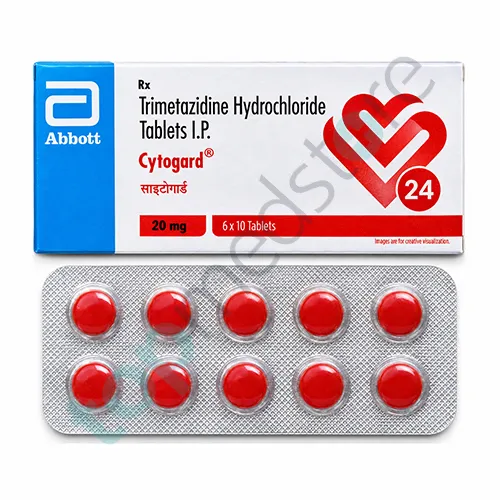
Trimetazidine is a prescription medicine used to help manage angina and improve heart function in certain patients. A cardiologist usually prescribes this medicine. A cardiologist is a doctor who treats heart and blood vessel diseases.
Angina is chest pain or discomfort that happens when the heart does not receive enough oxygen-rich blood. Patients may feel pressure, tightness, heaviness, or burning pain in the chest, especially during physical activity or stress.
Trimetazidine helps the heart use energy more efficiently during low oxygen supply.
The medicine belongs to a group called metabolic anti-anginal medicines. These medicines improve the energy process inside heart cells without greatly affecting heart rate or blood pressure.
Doctors often prescribe Trimetazidine along with other heart medicines for long-term angina management.
It is usually available as oral tablets and is taken regularly as advised by a doctor.
Trimetazidine helps heart cells produce energy more efficiently.
The heart constantly needs oxygen and nutrients to pump blood properly. During angina, reduced blood flow limits oxygen supply to the heart muscle.
When oxygen becomes low, heart cells struggle to produce enough energy.
Trimetazidine changes the way heart cells use nutrients for energy production.
Normally, the heart mainly uses fatty acids for energy. This process requires more oxygen.
The medicine helps the heart use glucose more effectively instead. Glucose is a type of sugar that needs less oxygen to produce energy.
By improving energy production during low oxygen conditions, the medicine helps heart cells function better and reduces angina symptoms.
This action supports heart performance without putting extra strain on the heart.
Doctors prescribe Trimetazidine mainly for stable angina management.
Stable angina is recurring chest discomfort caused by reduced blood supply to the heart during physical activity or stress.
The medicine helps reduce the frequency and severity of angina attacks.
Many patients experience improved exercise tolerance and better physical activity after regular treatment.
Doctors may prescribe Trimetazidine together with other heart medicines such as beta-blockers, nitrates, or calcium channel blockers.
Some patients may also receive this medicine for certain circulation-related conditions involving reduced oxygen supply to tissues.
The medicine is usually used for long-term symptom control rather than emergency chest pain relief.
Trimetazidine works by improving cellular energy production inside heart muscle cells.
Heart cells normally burn fatty acids to produce energy. This process consumes a large amount of oxygen.
During reduced blood flow, oxygen becomes limited and energy production becomes less efficient.
Trimetazidine partially blocks fatty acid metabolism and shifts energy production toward glucose metabolism.
Glucose metabolism uses less oxygen and allows heart cells to produce energy more efficiently under stress conditions.
This helps protect heart cells from oxygen shortage and reduces damage caused by poor blood circulation.
As heart cells work more efficiently, chest pain episodes may decrease and physical stamina may improve.
Unlike some heart medicines, Trimetazidine usually does not significantly lower blood pressure or heart rate.
Doctors may adjust dosage based on kidney function and overall patient condition.
Like all medicines, Trimetazidine may cause side effects, although many are mild and temporary.
Some patients may experience nausea, stomach discomfort, or indigestion during treatment.
Headache, dizziness, or tiredness may also occur in some people.
Certain patients may develop weakness or sleep disturbances during long-term use.
Rarely, movement-related symptoms such as shaking, muscle stiffness, slow movement, or balance problems may occur. These symptoms can resemble Parkinson-like disorders, especially in older adults.
Doctors usually stop the medicine if movement-related side effects develop.
Low blood pressure or skin rash may also occur in rare cases.
Patients should contact a doctor immediately if they notice tremors, severe dizziness, difficulty walking, or unusual muscle stiffness.
Regular medical follow-up helps ensure safe long-term heart treatment.
This content is for informational purposes only. It does not replace professional medical advice, diagnosis, or treatment. Always consult a cardiologist, doctor, or healthcare professional before starting or changing Trimetazidine treatment. Use this medicine only as prescribed and attend regular heart check-ups for safe and effective angina management.
| Product name | Trimetazidine |
|---|---|
| Category | Angina & Chest Pain Medicines |
| Shipping offer | Free shipping on orders of $110.00 or more |
$42.00 – $136.80
$142.20 – $468.00
$164.70 – $536.40
$27.60 – $90.00