Baclofen 20mg
$117.00 – $384.00
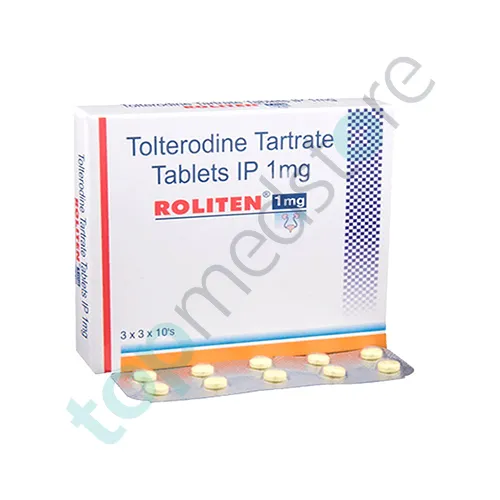
Tolterodine is a prescription medicine used to treat overactive bladder and urinary control problems. A urologist usually prescribes this medicine. A urologist is a doctor who treats urinary system and bladder-related diseases.
An overactive bladder causes sudden urges to urinate, frequent urination, and difficulty controlling urine. Some patients may also experience accidental urine leakage. These symptoms can affect sleep, work, travel, and daily comfort.
Tolterodine helps relax the bladder muscles and improves bladder control.
The medicine belongs to a group called antimuscarinic medicines. These medicines reduce unwanted bladder muscle contractions.
Doctors may prescribe Tolterodine as tablets or extended-release capsules depending on the patient’s condition and symptom severity.
Regular treatment may help patients regain better bladder control and improve quality of life.
Tolterodine works by calming overactive bladder muscles.
The bladder stores urine until the body is ready to urinate. In overactive bladder, the bladder muscles contract too early or too often.
These sudden contractions create urgency and frequent urination, even when the bladder is not full.
Tolterodine blocks certain nerve signals that trigger bladder muscle tightening.
As these signals reduce, the bladder muscles relax and become more stable.
This helps the bladder hold urine for longer periods and decreases sudden urges to urinate.
Patients often notice fewer bathroom visits, less urine leakage, and improved sleep after regular use.
The medicine also helps reduce bladder spasms and improves overall urinary comfort.
Doctors mainly prescribe Tolterodine for overactive bladder (OAB) symptoms.
It helps control sudden urgency to urinate, which is one of the most common symptoms of OAB.
The medicine also reduces frequent urination during both daytime and nighttime.
Many patients use it for urge urinary incontinence, a condition where urine leakage happens because the urge to urinate becomes too strong to control.
Doctors may also prescribe it for bladder instability linked with certain nerve-related conditions.
By improving bladder control, the medicine helps patients feel more confident during work, travel, social activities, and sleep.
Long-term treatment may reduce interruption of daily routines caused by bladder symptoms.
Tolterodine works by blocking receptors called muscarinic receptors in the bladder.
These receptors receive nerve signals that tell the bladder muscles when to contract.
In overactive bladder, these signals become too frequent and cause sudden bladder contractions.
Tolterodine blocks these signals and reduces unnecessary bladder activity.
As the bladder muscles relax, the bladder can store urine more comfortably and for longer periods.
This lowers urgency, decreases urine leakage, and reduces frequent bathroom visits.
The medicine mainly acts on the bladder, which helps improve urinary control with fewer effects on other body organs compared to some older medicines.
Doctors may adjust dosage based on age, liver function, kidney function, and symptom improvement.
Like all medicines, Tolterodine may cause side effects, although many are mild and manageable.
Dry mouth is one of the most common side effects because the medicine reduces saliva production.
Some patients may experience constipation or stomach discomfort during treatment.
Dizziness, headache, or tiredness may also occur in some people.
Blurred vision can develop in certain patients because the medicine may affect eye focusing muscles temporarily.
Some people may feel difficulty passing urine, especially older adults or patients with prostate enlargement.
Rarely, fast heartbeat, confusion, or allergic reactions may occur.
Patients should seek medical help immediately if they develop severe dizziness, chest pain, inability to urinate, or swelling of the face or throat.
Doctors may monitor patients regularly during long-term treatment to ensure safe bladder management.
This content is for informational purposes only. It does not replace professional medical advice, diagnosis, or treatment. Always consult a urologist, doctor, or healthcare professional before starting or changing Tolterodine treatment. Use this medicine only as prescribed and follow regular medical advice for safe and effective bladder control management.
| Product name | Tolterodine |
|---|---|
| Category | Overactive Bladder Medicines |
| Shipping offer | Free shipping on orders of $110.00 or more |
$117.00 – $384.00
$40.00 – $132.00
$63.60 – $206.40
$37.20 – $120.00