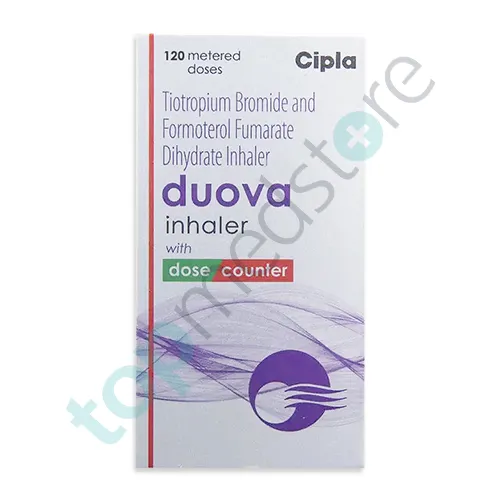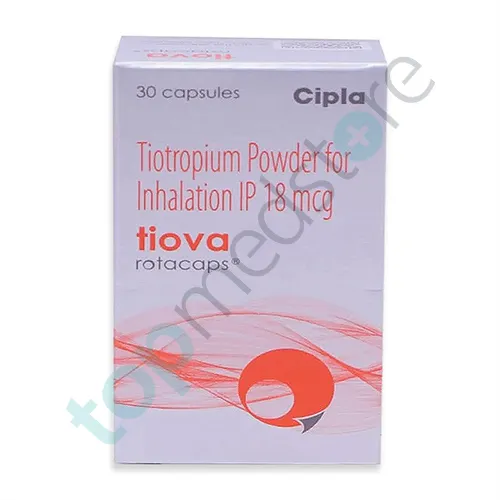
Tiotropium Bromide 18mcg
$144.00 – $470.40
Tiotropium–Formoterol–Ciclesonide is a combination inhaler medicine used to treat long-term breathing diseases such as asthma and chronic obstructive pulmonary disease (COPD). A pulmonologist usually prescribes this medicine. A pulmonologist is a doctor who treats lung and breathing disorders.
Asthma and COPD can make the airways swollen, narrow, and sensitive. This causes symptoms such as wheezing, chest tightness, cough, and shortness of breath.
This medicine contains three different medicines that work together to improve breathing. Tiotropium helps keep the airways open. Formoterol relaxes airway muscles for easier airflow. Ciclesonide reduces inflammation inside the lungs.
The medicine is usually available as an inhaler and is used regularly for long-term symptom control.
Doctors prescribe this combination to improve lung function and reduce breathing attacks.
Tiotropium–Formoterol–Ciclesonide works by opening the airways and reducing swelling inside the lungs.
In asthma and COPD, the airways become inflamed and narrow. Thick mucus may also collect inside the breathing passages.
Tiotropium helps prevent airway muscles from tightening.
Formoterol relaxes airway muscles quickly and helps air move more freely through the lungs.
Ciclesonide lowers inflammation inside the airways and reduces swelling and irritation.
Together, these actions improve airflow and help patients breathe more comfortably throughout the day.
Regular treatment may also reduce coughing, wheezing, and nighttime breathing problems.
Doctors prescribe Tiotropium–Formoterol–Ciclesonide mainly for chronic lung diseases that require long-term airway control.
It is commonly used in asthma, especially when symptoms are not fully controlled with a single inhaler medicine.
The medicine is also used in chronic obstructive pulmonary disease (COPD). COPD is a long-term lung disease that blocks airflow and damages breathing capacity over time.
Patients with COPD may experience chronic cough, mucus production, wheezing, and shortness of breath during daily activities.
This combination inhaler helps reduce breathing flare-ups and improves overall lung function.
Doctors may prescribe it for patients who frequently wake up at night due to breathing problems or experience repeated asthma attacks.
Long-term use may improve exercise tolerance and daily comfort.
Tiotropium–Formoterol–Ciclesonide works through three different mechanisms inside the lungs.
Tiotropium blocks muscarinic receptors. These receptors normally cause airway muscles to tighten. Blocking them keeps the airways open for longer periods.
Formoterol stimulates beta-2 receptors in the airway muscles. This relaxes the muscles and improves airflow. Formoterol acts quickly and provides long-lasting bronchodilation. Bronchodilation means widening of the airways.
Ciclesonide is a corticosteroid medicine that reduces inflammation inside the lungs. It decreases swelling, mucus production, and airway sensitivity.
Together, these medicines improve breathing, reduce inflammation, and lower the risk of sudden breathing attacks.
Proper inhaler technique is important because the medicine must reach deep into the lungs to work effectively.
Like all inhaler medicines, Tiotropium–Formoterol–Ciclesonide may cause side effects in some patients.
Dry mouth and throat irritation are common during treatment.
Some people may experience cough, hoarseness, or mild headache after inhaler use.
Formoterol may sometimes cause fast heartbeat, nervousness, or mild shaking of the hands.
Because Ciclesonide is a steroid medicine, some patients may develop oral fungal infection called thrush. Thrush is a yeast infection that causes white patches inside the mouth.
Rinsing the mouth after inhaler use may help reduce this risk.
Certain patients may also experience dizziness or mild stomach discomfort.
Rarely, severe allergic reactions or worsening breathing symptoms may occur.
Patients should seek immediate medical help if they notice chest pain, severe breathing difficulty, swelling, or fainting.
Doctors usually monitor lung function regularly during long-term treatment.
This content is for informational purposes only. It does not replace professional medical advice, diagnosis, or treatment. Always consult a pulmonologist, doctor, or healthcare professional before starting or changing Tiotropium–Formoterol–Ciclesonide treatment. Use this medicine only as prescribed and follow proper inhaler instructions for safe and effective breathing management.
| Product name | Tiotropium-Formoterol-Ciclesonide |
|---|---|
| Category | Asthma & COPD Medicines |
| Shipping offer | Free shipping on orders of $110.00 or more |
$144.00 – $470.40
$125.40 – $410.40
$132.00 – $432.00