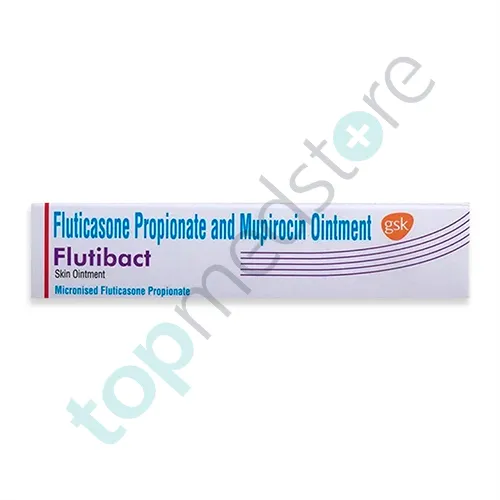
Fluticasone-Mupirocin 0.005%-2% 10g
$81.84 – $267.84
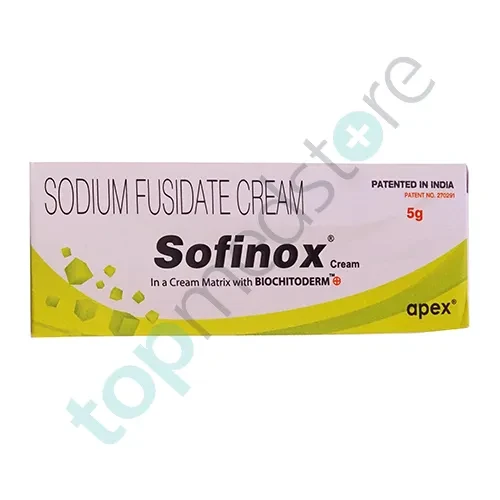
| Product name | Sodium Fusidate Cream 2%-5g |
|---|---|
| Active Ingredient | Sodium Fusidate |
| Dosage | 2% 5g |
| Drug Type | Tubes |
| Indication | Bacterial Skin Infection |
| Manufacturer | Apex |
Total $34.32
Sodium Fusidate Cream 2% (5g) is a topical antibiotic medicine used to treat bacterial skin infections. It is commonly prescribed by a dermatologist when the skin becomes infected and shows signs such as redness, swelling, pus, or crusting.
This medicine contains sodium fusidate, which is an antibiotic that works directly on bacteria present on the skin. Because it is applied externally, it provides targeted treatment at the infection site.
In simple words, this cream helps kill bacteria on the skin and supports faster healing of infected areas.
Bacterial skin infections occur when harmful bacteria enter the skin through cuts, scratches, insect bites, or damaged skin barriers. Once inside, these bacteria multiply and cause symptoms like pain, redness, warmth, swelling, and sometimes pus formation.
Sodium fusidate works by stopping bacteria from producing essential proteins. These proteins are necessary for bacterial growth and survival.
When protein production is blocked, bacteria cannot grow or multiply properly. Gradually, the infection reduces as the bacteria die off.
As the infection clears, the skin begins to heal naturally and inflammation reduces.
In simple words, this medicine works by stopping bacteria from growing so the skin infection can heal faster.
This cream is mainly used for bacterial infections of the skin. It is commonly prescribed for conditions such as impetigo, which is a contagious infection that causes red sores and crusting.
It is also used for infected wounds, cuts, or abrasions, where bacteria have entered damaged skin. In some cases, it is used for infected eczema or dermatitis, where existing skin conditions become infected.
Doctors may also recommend it for boils and folliculitis, which are infections of hair follicles that cause painful, red bumps.
In real medical practice, dermatologists use this medicine when localized bacterial infection needs direct and effective skin treatment.
This medicine works by targeting bacterial protein synthesis. Bacteria need proteins to grow, multiply, and maintain their structure.
Sodium fusidate blocks this process, which means bacteria cannot produce the proteins they need to survive.
Without these proteins, bacteria gradually stop multiplying and eventually die. This helps reduce the infection at the source.
Since the cream is applied directly to the affected skin, it works where it is needed most and helps speed up recovery.
In simple words, this medicine stops bacteria from growing and allows infected skin to heal naturally.
Most people use this cream without any major issues. Some may experience mild side effects at the application site.
These can include slight burning, irritation, redness, itching, or dryness. These effects are usually temporary and improve with continued use or after stopping the medicine.
In rare cases, an allergic reaction may occur, which can cause increased redness, swelling, or rash on the skin.
If irritation becomes severe or does not improve, medical advice should be taken.
This cream should be used only as prescribed by a dermatologist. Apply a thin layer only on the affected area and avoid using more than recommended.
Do not apply it on large areas of healthy skin unless advised by a doctor. It should also be kept away from eyes, mouth, and deep open wounds.
It is important to complete the full course of treatment even if symptoms improve early, as stopping too soon may allow the infection to return.
Avoid unnecessary or long-term use of antibiotic creams, as this may lead to reduced effectiveness over time due to bacterial resistance.
This content is for informational purposes only and does not replace medical advice, diagnosis, or treatment. Always consult your dermatologist before starting or changing any medicine.
$81.84 – $267.84
$211.00 – $692.00
$42.60 – $139.20
$50.60 – $165.60