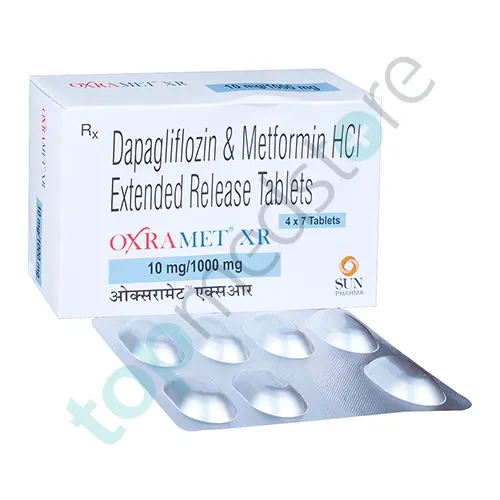
Empagliflozin 25mg
$165.00 – $420.00
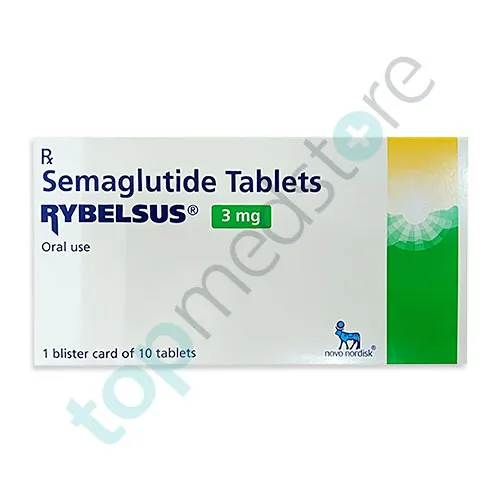
Semaglutide is a medicine used to treat type 2 diabetes mellitus and in some cases weight management (obesity treatment). It is prescribed by a diabetologist, endocrinologist, or general physician to help control blood sugar and support weight loss when needed. It belongs to a group of medicines called GLP-1 receptor agonists (glucagon-like peptide-1 analogs).
Type 2 diabetes is a long-term condition where the body does not use insulin properly or does not produce enough insulin. Insulin helps move sugar (glucose) from the blood into cells for energy. When this process is not balanced, blood sugar levels become high and can harm organs over time.
Semaglutide injections or tablets help improve blood sugar control and also reduce appetite in many patients. It is usually used along with diet control, exercise, and lifestyle changes.
This medicine is known for once-weekly injection forms in many cases, which makes it convenient for long-term use.
Semaglutide works by mimicking a natural hormone in the body called GLP-1 (glucagon-like peptide-1). This hormone helps control blood sugar after eating.
It increases insulin release from the pancreas when blood sugar is high. At the same time, it reduces the release of another hormone called glucagon, which normally increases blood sugar.
Semaglutide also slows down how quickly food leaves the stomach. This is called delayed gastric emptying. It helps reduce sudden blood sugar spikes after meals.
Another important action is that it works on the brain to reduce appetite. This helps patients feel full for longer and eat less food.
Because it works in a glucose-dependent way, insulin release mainly increases when blood sugar is high, reducing the risk of low blood sugar when used alone.
Doctors may adjust dose slowly to help the body adapt and reduce side effects.
Semaglutide is mainly used for managing type 2 diabetes mellitus.
One major use of Semaglutide injections or tablets is to control high blood sugar levels in adults with type 2 diabetes when diet and exercise alone are not enough.
It is also used to reduce post-meal blood sugar spikes, helping maintain stable glucose levels throughout the day.
Another important use is weight management in obesity or overweight patients. It helps reduce appetite and food intake, supporting gradual weight loss.
Doctors may prescribe Semaglutide in patients with diabetes who also have heart disease risk, as it may help reduce certain cardiovascular complications.
It is not used for type 1 diabetes or emergency treatment of very high blood sugar.
It is often part of a long-term treatment plan that includes lifestyle changes such as diet control and regular physical activity.
Semaglutide works by acting like the natural GLP-1 hormone in the body.
It increases insulin secretion from the pancreas when blood sugar levels are high. This helps move glucose from the blood into cells for energy.
It also reduces glucagon release from the liver. Glucagon normally increases blood sugar, so lowering it helps control glucose levels.
Another important action is slowing stomach emptying. Food moves more slowly into the intestine, which reduces rapid rises in blood sugar after meals.
In the brain, Semaglutide acts on appetite centers and reduces hunger signals. This leads to reduced calorie intake and supports weight loss.
Because it works through multiple pathways, it helps improve both blood sugar control and body weight in many patients.
Doctors usually start with a low dose and increase gradually to improve tolerance and reduce gastrointestinal side effects.
Like all medicines, Semaglutide may cause side effects in some people. Most are related to the digestive system.
Common side effects include nausea, vomiting, diarrhea, constipation, abdominal pain, and loss of appetite.
These effects are more common when starting treatment or increasing the dose and often improve over time.
Some patients may experience dizziness, fatigue, or mild dehydration due to reduced food and fluid intake.
Rare but serious side effects include pancreatitis (inflammation of the pancreas), gallbladder problems, or severe allergic reactions.
Low blood sugar is uncommon when used alone but may occur if combined with insulin or sulfonylureas.
Patients should inform their doctor if they have a history of pancreatic, thyroid, or gastrointestinal disorders before starting treatment.
Seek medical help immediately if severe abdominal pain, persistent vomiting, or signs of allergic reaction occur.
This content is for educational purposes only and should not replace professional medical advice. Semaglutide should only be used under the supervision of a qualified healthcare professional such as a diabetologist, endocrinologist, or general physician. Do not change the dose or stop the medicine without medical guidance. Treatment response and side effects may vary depending on blood sugar levels, weight, and overall health condition.
| Product name | Semaglutide |
|---|---|
| Category | Diabetes & Blood Sugar |
| Shipping offer | Free shipping on orders of $110.00 or more |
$165.00 – $420.00
$77.00 – $252.00
$70.00 – $229.60
$60.20 – $197.12