
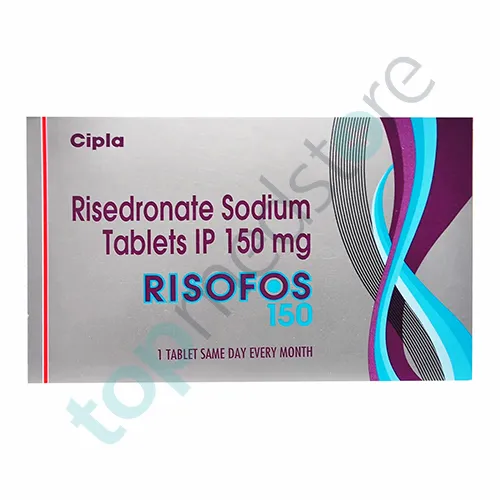
Risedronate 150mg
$111.33 – $364.32
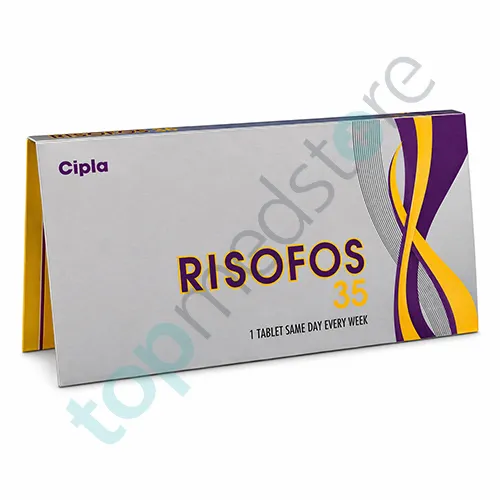
Risedronate is a prescription medicine used to treat and prevent osteoporosis. A bone specialist (orthopedic doctor) or an endocrinologist may prescribe it when bones become weak, thin, or more likely to break.
Osteoporosis is a condition where bones lose minerals like calcium and become fragile. Fragile bones can break easily, even after a small fall or simple movement. This condition is more common in older adults, especially women after menopause.
Risedronate belongs to a group of medicines called bisphosphonates. These medicines help slow down bone loss and improve bone strength over time. It does not give instant pain relief, but it protects bones from future fractures.
Doctors usually prescribe Risedronate as a tablet taken weekly or monthly depending on the strength and patient condition. It is taken on an empty stomach with plain water only. This helps the body absorb the medicine properly.
A rheumatologist or bone health specialist may also use this medicine in patients with bone thinning caused by long-term steroid use or hormonal changes.
Risedronate works by acting directly on the cells that break down bone. In the body, bones are always being rebuilt. Some cells build new bone, while others break down old bone.
When bone breakdown happens faster than bone building, bones become weak. This imbalance leads to osteoporosis.
Risedronate slows down the activity of cells called osteoclasts. These cells are responsible for breaking down bone tissue. When osteoclast activity is reduced, bone loss slows down.
At the same time, bone-forming cells continue working. This helps maintain or gradually improve bone strength over time. The process is slow, so the medicine must be taken regularly for long-term benefit.
Stronger bones reduce the risk of fractures in areas like the spine, hips, and wrists. These are common fracture sites in osteoporosis patients.
A bone specialist may monitor bone density using a test called DEXA scan. This scan measures how strong or weak the bones are and helps track treatment progress.
The main use of Risedronate is the treatment of osteoporosis. It helps reduce the risk of bone fractures in people with weak bones.
It is commonly used in postmenopausal women who experience bone loss due to low estrogen levels. Estrogen helps protect bones, and its reduction after menopause can lead to weaker bones.
Risedronate is also used in men with osteoporosis. Ageing, low calcium intake, or lifestyle factors can also lead to bone weakening in men.
Doctors may prescribe this medicine in patients who have osteopenia, a condition where bone density is lower than normal but not yet osteoporosis. Early treatment helps prevent progression to severe bone loss.
It is also used in people who develop bone weakness due to long-term use of steroid medicines. Steroids can weaken bones if used for a long time, and Risedronate helps reduce this risk.
A rheumatologist may recommend it for patients with certain bone-related conditions where bone loss is a major concern.
The medicine is not used for quick pain relief. Its main purpose is long-term bone protection and fracture prevention.
Risedronate works by slowing down the natural process of bone breakdown in the body.
Bones are living tissues that constantly renew themselves. Old bone is removed and replaced with new bone. This balance is important for healthy bone strength.
In osteoporosis, bone breakdown happens faster than bone formation. Risedronate reduces the activity of osteoclasts, the cells that remove old bone tissue.
When bone breakdown slows, bones become more stable and dense over time. This helps reduce the risk of fractures, especially in weight-bearing bones like the spine and hips.
The medicine binds strongly to bone surfaces. When osteoclasts try to break down bone, they absorb the medicine and become less active. This slows the overall bone loss process.
Because bone rebuilding takes time, Risedronate may take several months to show full benefits. A bone specialist may suggest calcium and vitamin D supplements along with this medicine to support bone health.
Patients should take it exactly as instructed, usually in the morning with water, and avoid lying down immediately after taking it. This helps prevent irritation in the food pipe.
Like all medicines, Risedronate may cause side effects, but many people tolerate it well when used correctly.
Common side effects include stomach discomfort, nausea, constipation, diarrhea, and mild abdominal pain. These usually improve as the body adjusts to the medicine.
Some patients may experience bone, joint, or muscle pain. This happens because the medicine affects bone turnover activity.
A serious side effect is irritation of the food pipe (esophagus). This may cause chest pain, difficulty swallowing, or heartburn. Taking the tablet correctly with water and staying upright helps reduce this risk.
Rarely, patients may develop low calcium levels in the blood. Calcium is important for muscles and nerves, so low levels may cause muscle cramps or tingling sensations.
Very rare side effects include jaw bone problems, especially in patients with poor dental health or after dental surgery. A rheumatologist or doctor may advise dental check-ups before long-term treatment.
Patients should report any severe stomach pain, difficulty swallowing, or unusual bone pain to their doctor immediately.
This content is for educational purposes only and does not replace professional medical advice, diagnosis, or treatment. Risedronate should only be used under the supervision of a qualified orthopedic doctor, rheumatologist, or healthcare professional. Always follow your doctor’s instructions and maintain regular bone health monitoring for safe and effective treatment.
| Product name | Risedronate |
|---|---|
| Category | Bone Health & Osteoporosis Medicines |
| Shipping offer | Free shipping on orders of $110.00 or more |
$111.33 – $364.32
$85.76 – $280.64