Ethambutol 400mg
$33.60 – $110.40
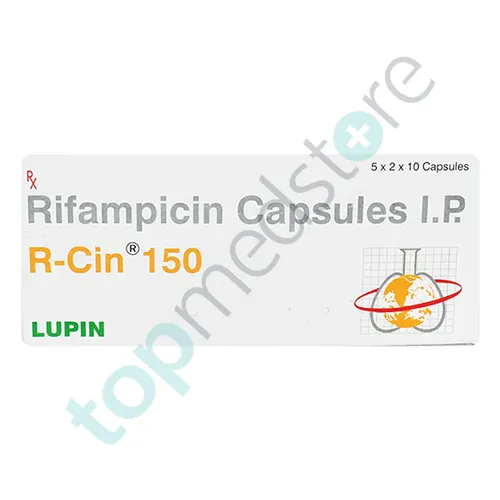
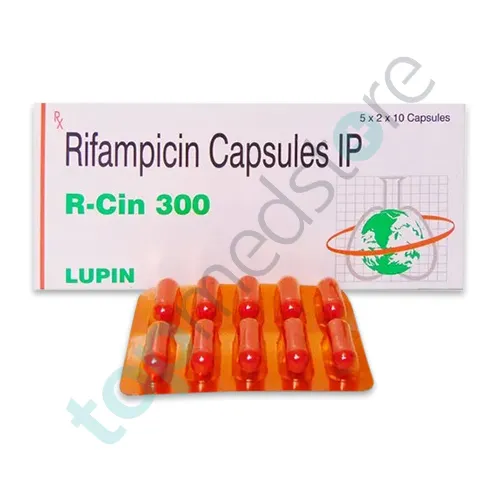
Rifampin-Rifampicin is an antibiotic medicine used to treat serious bacterial infections, especially tuberculosis (TB). A pulmonologist or infectious disease specialist usually prescribes this medicine. A pulmonologist is a doctor who treats lung and breathing diseases.
Rifampin and Rifampicin are two different names for the same medicine. Doctors commonly use this medicine as part of TB treatment because tuberculosis bacteria are strong and difficult to kill.
Tuberculosis is an infection caused by bacteria. It mainly affects the lungs, but it can also spread to the brain, bones, kidneys, or spine.
Doctors may also use Rifampin-Rifampicin for some other bacterial infections.
The medicine belongs to a group of medicines called antibiotics. Antibiotics help kill harmful bacteria inside the body.
The medicine is available as tablets, capsules, syrup, and injections. Patients should take the medicine regularly and complete the full treatment course.
Rifampin-Rifampicin enters the bloodstream and attacks harmful bacteria inside the body.
The medicine blocks an important process that bacteria need to survive. Without this process, the bacteria cannot grow or multiply.
As the bacteria die, the infection slowly improves. Symptoms such as cough, fever, weakness, weight loss, and night sweats may become better with regular treatment.
The medicine works throughout the body and can reach infected areas deep inside the lungs and tissues.
Doctors often combine Rifampin-Rifampicin with other TB medicines because one antibiotic alone may not fully remove the infection.
Regular treatment helps lower the risk of spreading TB to other people.
Doctors mainly use Rifampin-Rifampicin to treat tuberculosis and other serious bacterial infections.
The medicine commonly treats lung TB, also called pulmonary tuberculosis. Pulmonary tuberculosis means TB infection inside the lungs.
Doctors may also use this medicine for leprosy. Leprosy is a bacterial disease that affects the skin and nerves.
Sometimes doctors prescribe Rifampin-Rifampicin to help prevent certain infections in people who were exposed to infected patients.
The medicine is often combined with other antibiotics for better treatment results.
Patients with active TB usually need treatment for several months. Taking the medicine daily is very important for successful recovery.
Rifampin-Rifampicin works by stopping bacteria from making important proteins.
Proteins help bacteria grow, survive, and spread inside the body.
When the medicine blocks protein production, the bacteria become weak and die.
Doctors usually advise patients to take the medicine on an empty stomach because this may help the body absorb it better. Absorb means how the body takes in the medicine.
Patients should take the medicine exactly as prescribed every day.
Skipping doses or stopping treatment early may make the infection harder to treat. The bacteria may become resistant. Resistant means the medicine may stop working properly against the bacteria.
Rifampin-Rifampicin may turn urine, sweat, saliva, or tears orange-red. This is a common side effect and is usually harmless.
The medicine may also affect how some other medicines work. Patients should tell their doctor about all medicines they use.
Like all medicines, Rifampin-Rifampicin may cause side effects. Some side effects are mild, while others may need medical attention.
Some people may feel nausea, which means feeling sick in the stomach. Vomiting, stomach pain, dizziness, headache, weakness, or loss of appetite may also happen.
The medicine can sometimes affect the liver. Signs of liver problems may include yellow skin, yellow eyes, dark urine, severe tiredness, or pain in the upper stomach area.
Some patients may develop skin rash, itching, or fever during treatment.
Rarely, serious allergic reactions may happen. Symptoms may include breathing difficulty, severe swelling, or severe rash.
Patients should contact a doctor immediately if they notice unusual bleeding, confusion, severe weakness, or signs of liver problems.
Doctors may perform blood tests during treatment to monitor liver health and overall safety.
This content is for informational purposes only and does not replace professional medical advice, diagnosis, or treatment. Always consult a pulmonologist, doctor, or healthcare professional before starting or changing Rifampin-Rifampicin treatment. Use this medicine only as prescribed and complete the full antibiotic course carefully.
| Product name | Rifampin-Rifampicin |
|---|---|
| Category | Tuberculosis & Leprosy Medicines |
| Shipping offer | Free shipping on orders of $110.00 or more |
$33.60 – $110.40
$46.00 – $148.00
$66.00 – $216.00
$198.60 – $650.40