Hydrocortisone 5mg
$50.00 – $164.00
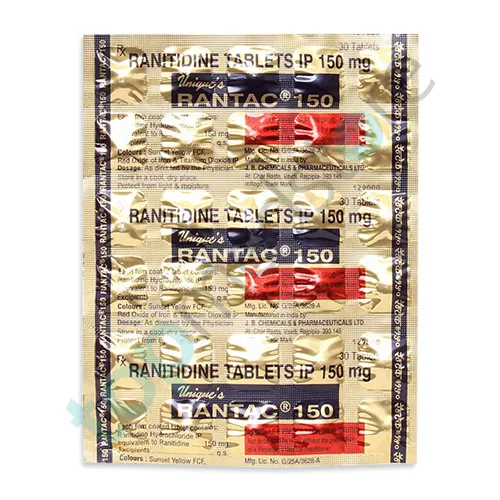
Ranitidine is a medicine used to reduce excess stomach acid and treat acid-related digestive problems. A gastroenterologist or physician usually prescribes this medicine. A gastroenterologist is a doctor who treats stomach and digestive system diseases.
It is commonly used for heartburn, acid reflux (GERD), gastritis, and stomach ulcers.
Heartburn is a burning feeling in the chest caused by acid moving back into the food pipe. Acid reflux is the repeated backflow of stomach acid into the esophagus.
Gastritis means inflammation of the stomach lining. Stomach ulcers are painful sores in the stomach or upper intestine caused by excess acid or infection.
Ranitidine helps reduce acid levels and improves healing of the digestive lining.
It belongs to a group of medicines called H2 receptor blockers, which reduce acid production in the stomach.
It is available as tablets, syrups, and injections.
Doctors use it for short-term and long-term acid control depending on the condition.
Ranitidine works by reducing acid production in the stomach.
The stomach produces acid to digest food, but too much acid can damage the stomach lining and food pipe.
Acid production is controlled by a natural chemical called histamine.
Histamine binds to H2 receptors in the stomach and triggers acid release.
Ranitidine blocks these H2 receptors.
When these receptors are blocked, the stomach produces less acid.
Lower acid levels reduce irritation, burning, and pain in the stomach and chest.
This also allows ulcers and inflamed tissues to heal.
The medicine provides relief for several hours after a dose.
Doctors prescribe Ranitidine for several acid-related conditions.
It is commonly used for gastroesophageal reflux disease (GERD), where acid repeatedly flows into the food pipe.
It helps relieve heartburn, which causes burning pain in the chest.
The medicine is also used for gastritis, which is inflammation of the stomach lining.
Ranitidine is used to treat stomach and duodenal ulcers by reducing acid and supporting healing.
The duodenum is the first part of the small intestine where ulcers can also form.
It may also be used to prevent ulcers in patients taking long-term painkillers.
Doctors sometimes use it in hospital settings to control excessive acid production.
Ranitidine works by blocking histamine action in the stomach.
Histamine normally stimulates acid-producing cells through H2 receptors.
When histamine activates these receptors, acid secretion increases.
Ranitidine blocks these receptors and prevents this signal.
As a result, acid production decreases significantly.
Lower acid levels reduce damage to the stomach lining and food pipe.
This helps relieve symptoms such as burning, pain, and discomfort.
It also supports healing of ulcers by reducing ongoing acid exposure.
The medicine works without stopping digestion completely, allowing normal food processing.
Like all medicines, Ranitidine may cause side effects, although many are mild and temporary.
Some patients may experience headache, dizziness, or tiredness.
Constipation or diarrhea may occur in some individuals.
Some people may feel nausea or mild stomach discomfort.
Rarely, confusion or restlessness may occur, especially in older adults or patients with kidney problems.
Very rarely, allergic reactions such as rash, itching, or swelling may develop.
Long-term use should be monitored in some patients depending on medical condition.
Patients should seek medical help if they experience severe allergic reactions or unusual symptoms.
Doctors may adjust dosage in patients with kidney or liver issues.
This content is for informational purposes only. It does not replace professional medical advice, diagnosis, or treatment. Always consult a gastroenterologist or healthcare professional before starting or changing Ranitidine treatment. Use this medicine only as prescribed and follow dietary guidance for safe acid management.
| Product name | Ranitidine |
|---|---|
| Category | Acid Reflux & GERD Medicines |
| Shipping offer | Free shipping on orders of $110.00 or more |
$50.00 – $164.00
$63.30 – $207.60
$82.49 – $269.96
$37.05 – $121.32