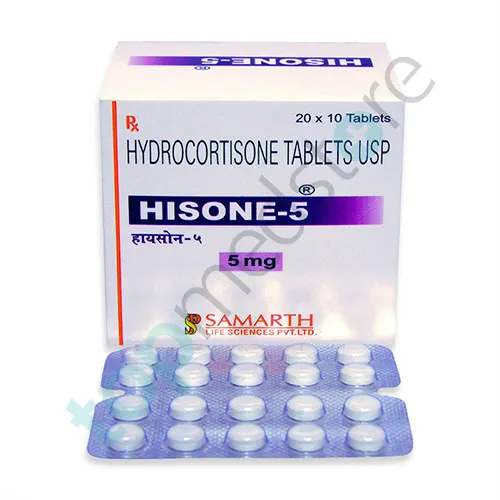
Hydrocortisone 5mg
$50.00 – $164.00
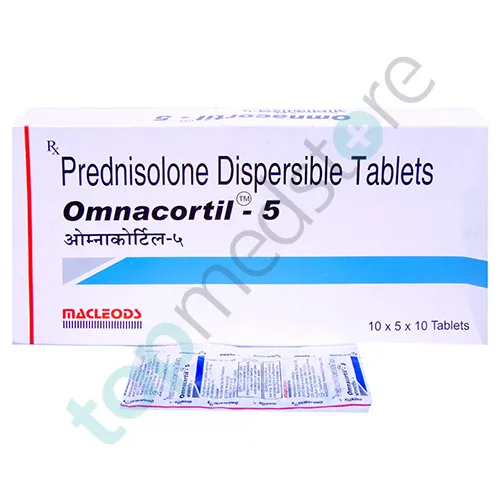
Prednisone/Prednisolone are prescription medicines used to reduce inflammation, swelling, and allergic reactions in the body. They are types of corticosteroids, which are man-made versions of a natural hormone called cortisol.
Cortisol is produced by the adrenal glands, small glands located on top of the kidneys. It helps control inflammation, stress response, and immune system activity.
Doctors such as a rheumatologist, pulmonologist, dermatologist, or general physician may prescribe Prednisone/Prednisolone tablets depending on the condition being treated.
Many people use Prednisone or Prednisolone for allergy and inflammation control, especially in conditions like asthma, skin allergies, and autoimmune diseases.
Prednisone is converted into Prednisolone in the liver. Prednisolone is the active form that works directly in the body. That is why both medicines are often used in similar treatments.
These medicines should only be used under medical supervision because they strongly affect the immune system and hormone balance.
Prednisone/Prednisolone works by reducing the activity of the immune system.
When the body detects infection, allergy, or injury, the immune system releases chemicals that cause swelling, redness, heat, and pain. This is called inflammation.
Prednisone/Prednisolone tablets block the release of these inflammatory chemicals. This reduces swelling and calms the immune response.
The medicine also prevents white blood cells from overreacting. White blood cells are immune cells that protect the body, but in some diseases they attack healthy tissues by mistake.
By controlling this response, Prednisone/Prednisolone medicine helps reduce tissue damage and improves symptoms like pain, swelling, and breathing difficulty.
The medicine works throughout the body when taken orally. It can also be given in different forms depending on the condition.
Doctors carefully adjust the dose because long-term use can affect natural cortisol production.
Doctors prescribe Prednisone/Prednisolone for many inflammatory and immune-related conditions.
One of the most common uses is for asthma and allergic reactions, often managed by a pulmonologist or allergist. It helps reduce airway swelling and improves breathing.
Many patients use Prednisone/Prednisolone tablets for skin allergies, eczema, and severe rashes, often treated by a dermatologist.
Common uses of Prednisone/Prednisolone medicine include:
Autoimmune diseases are conditions where the immune system attacks healthy tissues by mistake. Examples include rheumatoid arthritis and lupus.
Doctors also use these medicines for inflammatory bowel disease, often managed by a gastroenterologist.
In some cases, Prednisone/Prednisolone tablets are used to reduce swelling in the brain or other organs when inflammation is severe.
These medicines are usually part of a short-term or carefully controlled long-term treatment plan.
Prednisone/Prednisolone works by controlling the immune system and reducing inflammation throughout the body.
When inflammation occurs, the body releases chemicals that cause swelling, redness, and pain. These chemicals are useful in fighting infection, but too much activity can damage tissues.
Prednisone/Prednisolone tablets stop the production of these inflammatory chemicals. This helps reduce swelling and pain quickly.
The medicine also reduces the activity of immune cells that attack healthy tissues in autoimmune diseases.
Prednisone is converted into Prednisolone in the liver, and then it becomes active in the body. Prednisolone directly works on cells to reduce inflammation.
Because it works on many parts of the immune system, the medicine is very effective but must be used carefully.
Doctors often reduce the dose slowly instead of stopping suddenly to avoid withdrawal effects and support natural cortisol recovery.
Like all medicines, Prednisone/Prednisolone may cause side effects, especially with long-term use or high doses.
Common side effects include increased appetite, weight gain, mood changes, and difficulty sleeping. Mood changes may include irritability or anxiety.
Some patients may notice increased blood sugar levels, which is important for people with diabetes and often monitored by an endocrinologist or diabetologist.
Prednisone/Prednisolone tablets may also cause fluid retention, leading to swelling in the face, hands, or feet.
Long-term use may weaken bones, increasing the risk of fractures. Weak bones are a condition called osteoporosis.
The medicine may also weaken the immune system, making infections more likely or harder to detect.
Rare but serious side effects include vision problems, severe mood changes, stomach ulcers, or adrenal suppression. Adrenal suppression means the body reduces its natural cortisol production.
Doctors usually monitor patients closely and adjust the dose to reduce risks.
This content is for educational purposes only. It is not a substitute for professional medical advice, diagnosis, or treatment. Always consult a cardiologist, rheumatologist, pulmonologist, dermatologist, endocrinologist, or other qualified healthcare provider before using Prednisone or Prednisolone tablets or changing your treatment plan.
| Product name | Prednisone/Prednisolone |
|---|---|
| Category | Systemic Anti-Inflammatory Medicines |
| Shipping offer | Free shipping on orders of $110.00 or more |
$50.00 – $164.00
$63.30 – $207.60
$82.49 – $269.96
$37.05 – $121.32