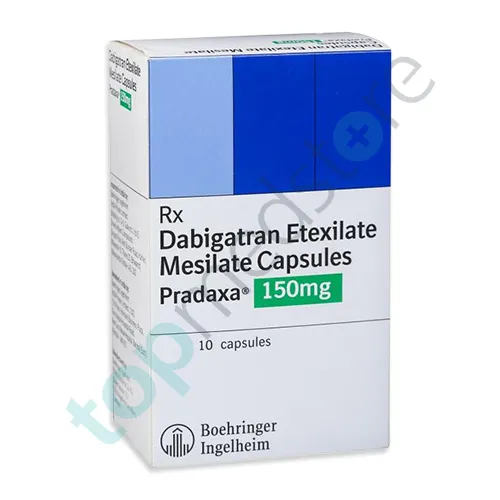
Dabigatran Etexilate Mesilate 150mg
$119.40 – $391.20
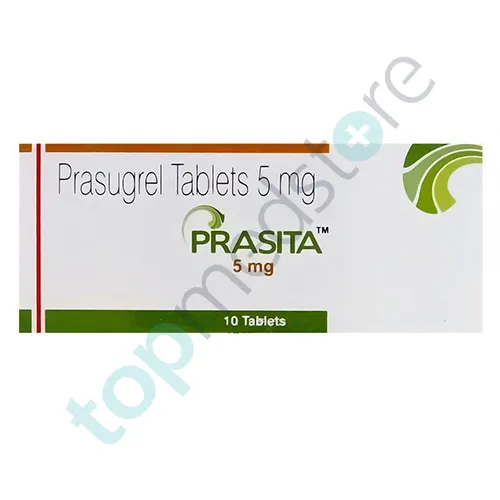
Prasugrel is a medicine that helps prevent harmful blood clots. A cardiologist usually prescribes this medicine. A cardiologist is a doctor who treats heart and blood vessel diseases.
Blood clots are thick clumps of blood that can block blood flow inside the body. Dangerous clots may lead to a heart attack or stroke.
Doctors often prescribe Prasugrel for people with acute coronary syndrome. Acute coronary syndrome is a serious heart condition caused by reduced blood flow to the heart.
The medicine is also commonly used after procedures such as angioplasty and stent placement. Angioplasty is a treatment that opens blocked heart arteries. A stent is a small metal tube placed inside the artery to keep it open.
Prasugrel belongs to a group of medicines called antiplatelet medicines. Platelets are small blood cells that help stop bleeding. Antiplatelet medicines reduce the ability of platelets to stick together and form clots.
Doctors often prescribe Prasugrel together with low-dose aspirin for better protection against blood clots.
Prasugrel helps keep blood flowing smoothly inside the blood vessels.
Platelets normally stick together to stop bleeding after an injury. Sometimes platelets become too active inside narrowed heart arteries and form dangerous clots.
Prasugrel blocks platelet activity and lowers the chance of clot formation.
By reducing blood clots, the medicine may help lower the risk of heart attack, stroke, and blockage inside heart stents.
The medicine improves blood flow to important organs such as the heart and brain.
Doctors carefully monitor patients during treatment because reducing clotting may also increase bleeding risk.
Doctors mainly prescribe Prasugrel to prevent serious heart-related complications caused by blood clots.
The medicine commonly helps prevent:
Doctors often prescribe Prasugrel for people with:
Coronary artery disease happens when fatty deposits narrow the heart arteries.
Prasugrel may help improve blood circulation and reduce the risk of future heart problems.
Patients usually take the medicine regularly for long-term protection after certain heart procedures.
Prasugrel works by stopping platelets from sticking together.
Platelets help form blood clots during bleeding. In heart disease, platelets may form clots inside narrowed arteries even without injury.
Prasugrel blocks special receptors on platelets. Receptors are tiny areas that receive signals inside the body.
When these receptors are blocked, platelets cannot clump together easily.
This lowers the risk of dangerous blood clots forming inside blood vessels or heart stents.
Doctors usually advise patients to take the medicine at the same time each day.
Patients should not stop Prasugrel suddenly without medical advice because stopping early may increase clot risk.
Like all medicines, Prasugrel may cause side effects. The most common side effect is bleeding.
Some people may bruise more easily or bleed longer after cuts.
Common side effects include nosebleeds, gum bleeding, headache, dizziness, and stomach discomfort.
Serious bleeding may happen in some patients. Symptoms may include blood in urine, black stools, vomiting blood, or unusual weakness.
Rarely, severe allergic reactions may occur. Symptoms may include swelling, rash, or breathing difficulty.
Patients should contact a doctor immediately if they notice unusual bleeding or signs of serious blood loss.
People with a history of stroke, severe bleeding disorders, or recent major surgery may need careful medical evaluation before using this medicine.
This content is for informational purposes only and does not replace professional medical advice, diagnosis, or treatment. Always consult a cardiologist, doctor, or healthcare professional before starting or changing Prasugrel treatment. Use this medicine only as prescribed and follow all medical instructions carefully.
| Product name | Prasugrel |
|---|---|
| Category | Blood Thinners & Antiplatelet Medicines |
| Shipping offer | Free shipping on orders of $110.00 or more |
$119.40 – $391.20
$234.00 – $765.60
$21.60 – $69.60
$27.00 – $88.80