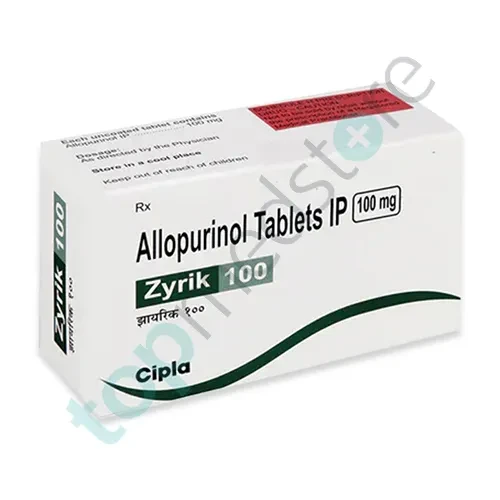
Allopurinol 100mg Tablet
$45.00 – $148.00
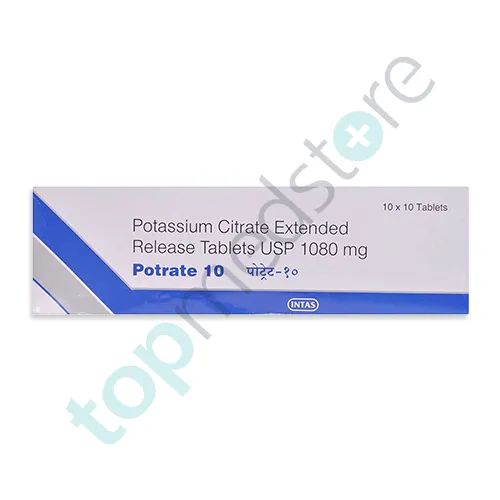
| Product name | Potassium Citrate 1080mg |
|---|---|
| Active Ingredient | Potassium Citrate |
| Dosage | 10mEq |
| Drug Type | Tablets |
| Indication | Kidney Stones |
| Manufacturer | Intas Pharma |
Total $36.00
Potassium Citrate 10mg tablet is a prescription urinary medicine used to manage kidney stones and improve urinary health. It contains potassium citrate, which helps balance the acid level in urine. A urologist (urinary tract specialist) or nephrologist (kidney specialist) usually prescribes this medicine.
This tablet works by making the urine less acidic. Acidic urine can lead to the formation of certain types of kidney stones. By changing the urine environment, this medicine helps prevent new stones and reduces the growth of existing ones.
Potassium Citrate 10mg works by increasing the alkalinity of urine. This means it makes the urine less acidic.
When urine is too acidic, minerals like calcium and uric acid can form crystals. These crystals can join together and form kidney stones, which are hard deposits in the kidneys that cause pain.
Potassium citrate binds with calcium in the urine. This reduces the formation of calcium oxalate stones, which are the most common type of kidney stones.
It also increases citrate levels in urine. Citrate is a natural substance that prevents stone formation. This helps protect the kidneys and urinary tract.
Doctors prescribe Potassium Citrate 10mg tablet for different urinary conditions. A urologist or nephrologist decides the treatment based on the patient’s condition.
It is mainly used to prevent kidney stones, especially calcium oxalate stones and uric acid stones.
It is also used in renal tubular acidosis, a condition where the kidneys cannot remove acid properly. This leads to excess acid in the body.
The medicine helps in patients with low urinary citrate levels, which increases the risk of stone formation.
In some cases, it is used to maintain proper urine pH balance for better kidney function.
Potassium Citrate mechanism of action involves altering the urine chemistry.
After intake, potassium citrate is converted into bicarbonate in the body. Bicarbonate helps neutralize acid.
This increases the urine pH, making it less acidic. A higher pH prevents crystal formation.
It also increases citrate concentration in urine. Citrate binds with calcium and prevents stone formation.
These combined effects help reduce the risk of kidney stone formation and support urinary health.
Potassium Citrate side effects are usually mild but should be monitored.
Common side effects include stomach discomfort, nausea, and vomiting. Some patients may experience diarrhea.
It may cause abdominal pain or a feeling of fullness.
In some cases, high potassium levels may occur. This condition is called hyperkalemia, which means too much potassium in the blood. Symptoms include weakness, irregular heartbeat, or numbness.
Rare but serious side effects include severe stomach irritation or ulcers if not taken properly.
Potassium Citrate 10mg tablet should be taken under the supervision of a urologist or nephrologist.
Take the medicine with food and a full glass of water. This helps reduce stomach irritation.
Patients with kidney disease, heart problems, or high potassium levels should inform their doctor before use.
Avoid taking this medicine with potassium supplements or certain drugs that increase potassium levels.
Regular monitoring of blood potassium levels and urine pH may be required.
Drink plenty of water during treatment. This helps prevent kidney stones.
Pregnant or breastfeeding women should consult a gynecologist before use.
Do not crush or chew extended-release tablets if prescribed in that form.
If prescribed, you can order Potassium Citrate 10mg tablets online from trusted pharmacy sources and continue your kidney stone prevention treatment.
This content is for educational purposes only. It does not replace medical advice. Always consult a urologist or nephrologist before starting or stopping Potassium Citrate 10mg tablet.
$45.00 – $148.00
$55.00 – $180.00
$32.40 – $105.60
$45.00 – $180.00