
Prazosin ER 5mg
$88.20 – $288.00
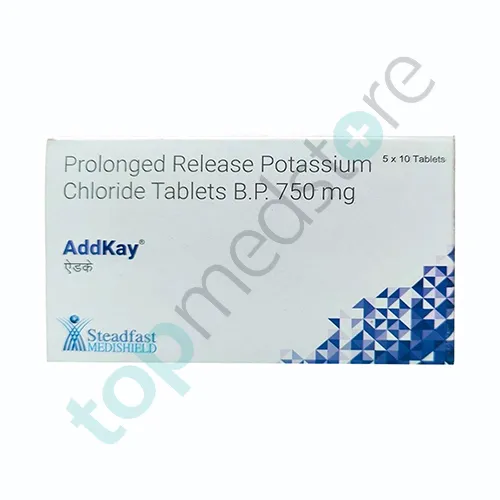
Potassium Chloride is a medicine used to treat low potassium levels in the blood (hypokalemia meaning low potassium in the blood). Doctors (mainly physicians, cardiologists, and nephrologists) prescribe it when the body loses too much potassium due to illness, medicines, or dehydration.
Potassium is an important mineral in the body. It helps the heart beat normally, supports muscle movement, and controls nerve signals (messages sent by nerves in the body). When potassium becomes low, a person may feel weakness, tiredness, muscle cramps, or an irregular heartbeat.
This medicine helps bring potassium back to normal levels. It is important to use it only under medical supervision because too much potassium can also be dangerous.
After taking Potassium Chloride, the medicine is absorbed into the blood and increases potassium levels in the body.
Potassium works inside body cells and helps control electrical activity (signals that help organs like the heart and muscles work properly). It keeps the heartbeat steady and supports normal muscle function.
When potassium is low, the heart and muscles cannot work properly. This may cause weakness or rhythm problems in the heart. By restoring potassium, this medicine helps the body return to normal function.
It also supports proper nerve function, which is important for movement, reflexes, and coordination.
Doctors may regularly check blood tests to make sure potassium stays in the safe range.
Doctors use Potassium Chloride mainly for hypokalemia (low potassium level in the blood).
Low potassium can happen due to long-term use of water pills (diuretics), vomiting, diarrhea, kidney problems, or poor diet.
It is also used when a patient is at risk of potassium loss due to certain diseases or treatments.
In hospitals, it may be used to quickly correct very low potassium levels under close monitoring.
Maintaining normal potassium is important to prevent muscle weakness, fatigue, cramps, and arrhythmia (irregular heartbeat).
Treatment depends on how low the potassium level is and the patient’s overall health condition.
Potassium Chloride works by increasing potassium levels in the blood.
Once absorbed, potassium enters cells and helps control electrical signals (body signals that control heartbeat and muscle movement).
It supports normal heart rhythm by helping the heart send steady electrical impulses.
It also helps muscles contract and relax properly, which improves strength and movement.
When potassium returns to normal levels, symptoms like weakness, cramps, and irregular heartbeat improve.
Doctors carefully control the dose because both low and high potassium levels can affect the heart.
Potassium Chloride may cause side effects, especially if the dose is too high or not taken correctly.
Common side effects include stomach irritation, nausea, vomiting, abdominal pain, or mild diarrhea.
Some patients may feel burning in the stomach if the medicine is not taken with enough water or food.
Rare but serious side effects include hyperkalemia (high potassium level in the blood), which can cause muscle weakness, tingling, or dangerous heart rhythm changes.
Chest pain, severe weakness, or irregular heartbeat need immediate medical attention.
Doctors regularly check blood potassium levels and kidney function to keep treatment safe.
This content is for informational purposes only and does not replace professional medical advice, diagnosis, or treatment. Always consult a physician, cardiologist, or nephrologist before using Potassium Chloride. Follow the prescribed dose carefully and attend regular checkups to ensure safe and balanced potassium levels in the body.
| Product name | Potassium Chloride |
|---|---|
| Category | Vitamins & Supplements |
| Shipping offer | Free shipping on orders of $110.00 or more |
$88.20 – $288.00
$87.00 – $284.00
$28.50 – $93.60
$39.90 – $130.80