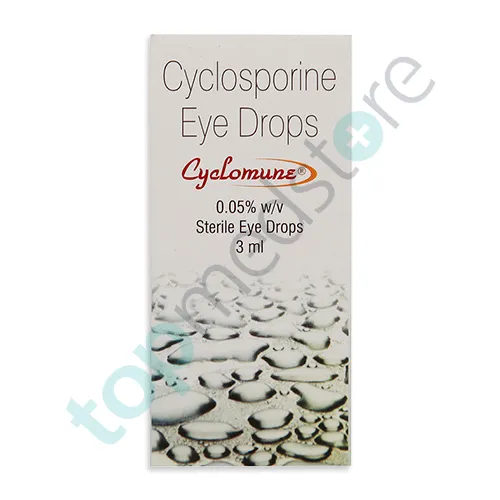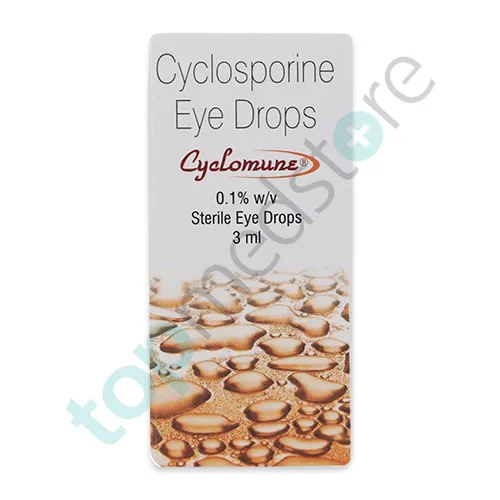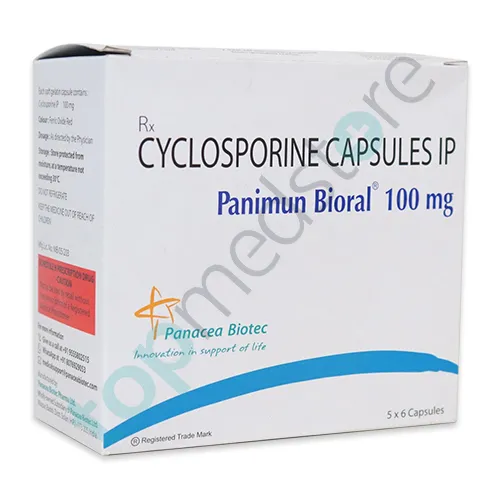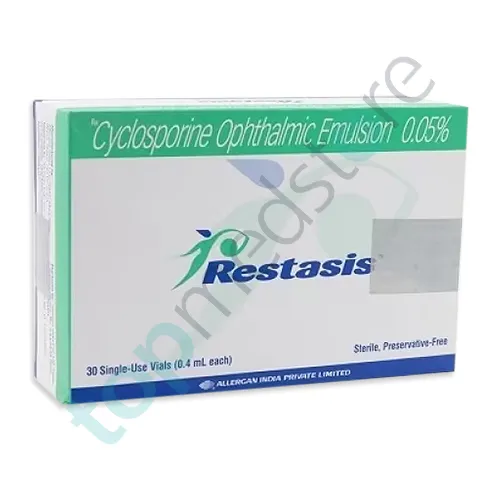
Cyclosporine 0.05%-0.4ml
$128.70 – $421.20
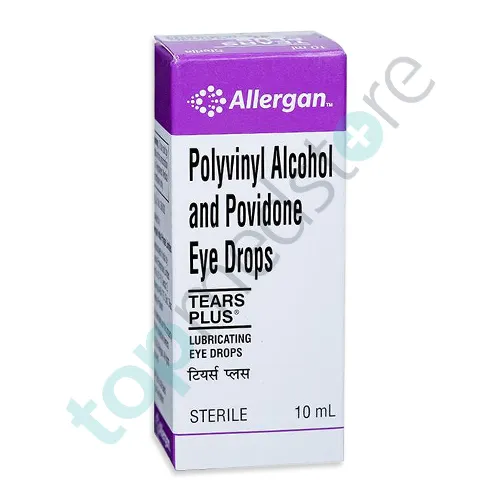
| Product name | Polyvinyl Alcohol-Povidone-Chlorbutol 10ml |
|---|---|
| Active Ingredient | Polyvinyl Alcohol-Povidone-Chlorbutol |
| Dosage | 10ml |
| Drug Type | Bottles |
| Indication | Dry Eye Disease |
| Manufacturer | Allergan |
Polyvinyl Alcohol-Povidone-Chlorbutol 10ml Ophthalmic Eye Drops (Solution)
In stock
Total $16.20
Dry, irritated, or burning eyes can affect reading, screen work, and overall comfort throughout the day. Polyvinyl alcohol–povidone–chlorbutol eye drops 10ml help relieve dryness and soothe eye irritation. This medicine is a combination of lubricating agents (artificial tears) and a mild preservative (chlorbutol). Doctors use it to keep the eye surface moist and protected. An ophthalmologist often recommends it for people suffering from dry eye symptoms.
Dry eyes occur when the eyes do not produce enough tears or when tears evaporate too quickly. This condition is called dry eye syndrome. It can happen due to long screen time, aging, air conditioning, pollution, contact lens use, or certain medical conditions. Patients often feel burning sensation, itching, grittiness, redness, or a feeling that something is stuck in the eye.
If not managed, dry eyes can cause discomfort and blurred vision. Polyvinyl alcohol–povidone–chlorbutol eye drops 10ml help restore moisture and improve eye comfort throughout the day.
Doctors prescribe Polyvinyl alcohol–povidone–chlorbutol eye drops 10ml to manage dry eye conditions and eye surface irritation.
Doctors recommend it for dry eye syndrome, where natural tear production is insufficient. The drops help maintain proper lubrication of the eye surface.
Doctors also use it to relieve eye strain caused by prolonged screen use, reading, or exposure to wind and dust.
It is helpful in reducing discomfort caused by environmental irritation, such as pollution, smoke, or air-conditioned environments.
In some cases, doctors suggest it for patients using contact lenses, where dryness and irritation are common.
Regular use helps maintain eye moisture and improves overall comfort during daily activities.
Polyvinyl alcohol and povidone act as artificial tear substitutes. They form a protective lubricating layer on the eye surface. Chlorbutol acts as a mild preservative to maintain sterility.
In simple words, Polyvinyl alcohol–povidone–chlorbutol eye drops 10ml replace natural tears. They keep the eyes moist and reduce dryness.
This lubrication helps reduce friction between the eyelid and eye surface. It also protects the cornea from irritation and environmental damage.
Patients may experience some side effects while using Polyvinyl alcohol–povidone–chlorbutol eye drops 10ml, but most are mild and temporary.
Common side effects include mild burning, stinging sensation, or temporary blurred vision immediately after application. These effects usually go away quickly.
Some patients may feel mild eye irritation, redness, or watery eyes. This often happens as the eye adjusts to the drops.
Rare side effects include allergic reactions, swelling, or persistent irritation. Seek medical advice if symptoms worsen or do not improve.
Doctors advise using Polyvinyl alcohol–povidone–chlorbutol eye drops 10ml exactly as directed. Wash your hands before using the drops.
Avoid touching the dropper tip to the eye or any surface to prevent contamination. Close your eyes gently after applying the drops.
If you wear contact lenses, remove them before using the drops and wait at least 15 minutes before reinserting them.
Do not use the drops if the solution changes color or becomes cloudy. Replace the bottle after the recommended usage period.
Tell your doctor if you have chronic eye conditions or ongoing irritation. An ophthalmologist will guide the correct frequency of use.
Always purchase Polyvinyl alcohol–povidone–chlorbutol 10ml eye drops from trusted pharmacy sources to ensure safety and effectiveness.
This content is for informational purposes only. Use Polyvinyl alcohol–povidone–chlorbutol 10ml eye drops only under the supervision of a qualified ophthalmologist or healthcare professional. Do not self-medicate or change usage without medical advice.
$128.70 – $421.20
$98.97 – $323.88
$62.70 – $205.20
$189.00 – $619.20