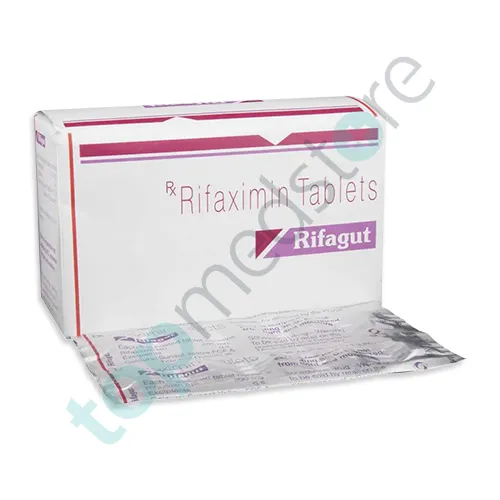
Rifaximin 200mg
$207.00 – $680.00
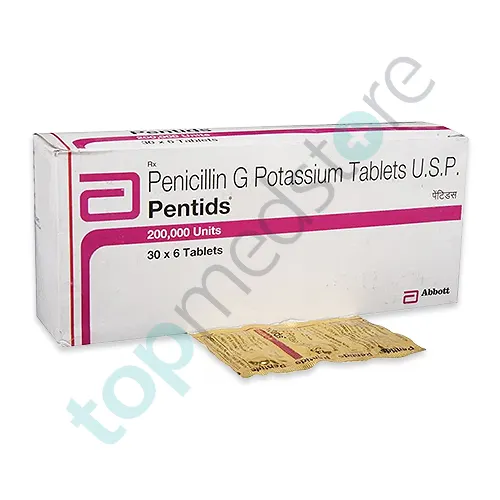
Penicillin G Potassium is a prescription antibiotic medicine used to treat a wide range of bacterial infections. A bacterial infection happens when harmful bacteria enter the body, multiply, and cause illness such as fever, pain, swelling, or organ infection.
Doctors commonly use Penicillin G Potassium injection for serious infections that need fast and strong antibiotic action in the body.
A general physician, infectious disease specialist, or hospital doctor may prescribe this medicine depending on the severity of infection.
Penicillin G Potassium belongs to the penicillin antibiotic group.
A penicillin antibiotic is a medicine that kills bacteria by damaging their protective outer wall.
This medicine is not used for viral infections like cold or flu. It only works against bacterial infections.
Penicillin G Potassium works by killing bacteria and stopping their growth.
Bacteria have a protective outer layer called a cell wall. This wall helps them survive and multiply inside the body.
Penicillin G Potassium blocks the formation of this cell wall.
When bacteria cannot build a strong wall, they become weak and break down.
As bacteria die, infection in the body starts to reduce.
Symptoms like fever, pain, swelling, redness, and infection-related discharge gradually improve.
Discharge means fluid or pus coming from an infected area due to bacterial activity.
Doctors usually give this medicine through injection so it works quickly, especially in serious infections.
It is very important to complete the full treatment course to fully remove bacteria from the body.
Stopping early may allow surviving bacteria to return and cause reinfection.
Doctors use Penicillin G Potassium for many serious bacterial infections.
It is commonly used for severe respiratory infections, including pneumonia. These infections can cause fever, chest pain, and breathing difficulty.
A general physician or hospital doctor may prescribe it when fast antibiotic action is needed.
It is also used for blood infections (septicemia), which are serious infections where bacteria spread through the bloodstream.
Doctors use it for meningitis, an infection of the protective covering of the brain and spinal cord. This condition requires urgent medical treatment.
It may also be used for skin and soft tissue infections, such as infected wounds, abscesses, or severe skin inflammation.
In some cases, it is used for heart infections (endocarditis), which affect the inner lining of the heart.
Because it is a strong antibiotic, it is usually given in hospitals under medical supervision.
Penicillin G Potassium works by stopping bacteria from building their cell wall.
The cell wall is essential for bacterial survival. It gives bacteria shape, strength, and protection.
This medicine blocks the enzymes that help bacteria form the cell wall.
When the wall becomes weak, bacteria cannot survive and they burst.
As bacteria die, the infection gradually reduces in the body.
Symptoms like fever, swelling, and pain slowly improve as healing begins.
Doctors usually give this medicine at fixed intervals through injection to maintain its effect in the body.
It is very important to complete the full course, even if symptoms improve early.
Like all medicines, Penicillin G Potassium may cause side effects. Some are mild, while others may be serious.
Common side effects include nausea, diarrhea, injection site pain, and mild skin rash.
Nausea means feeling like vomiting.
Diarrhea means loose or watery stools.
Some people may experience mild allergic reactions like itching or redness.
Rare but serious side effects include severe allergic reaction (anaphylaxis), breathing difficulty, or swelling of the face and throat.
Anaphylaxis is a severe allergic reaction that needs emergency medical care.
Patients should immediately seek medical help if they notice difficulty breathing, severe rash, or swelling.
A hospital doctor or infectious disease specialist should supervise treatment for safe use.
This content is for educational purposes only. It does not replace professional medical advice, diagnosis, or treatment. Always consult a general physician, infectious disease specialist, or hospital doctor before using Penicillin G Potassium. Use this medicine only under proper medical supervision.
| Product name | Penicillin G Potassium |
|---|---|
| Category | Antibacterial Medicines |
| Shipping offer | Free shipping on orders of $110.00 or more |
$207.00 – $680.00
$83.10 – $211.20
$142.00 – $464.00
$58.50 – $147.60