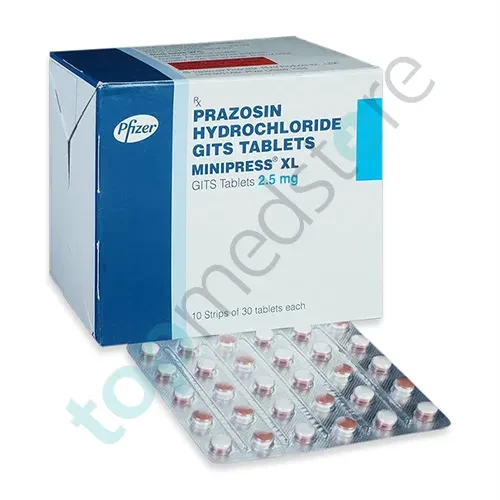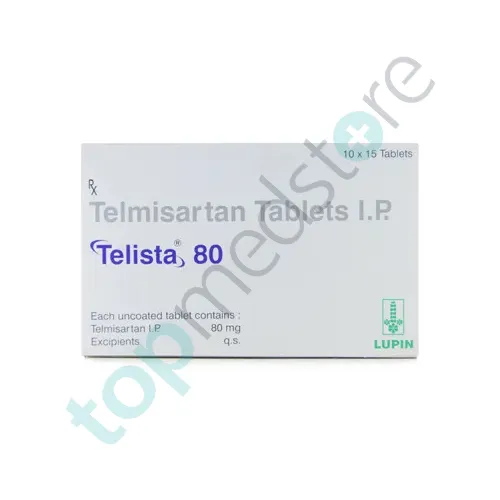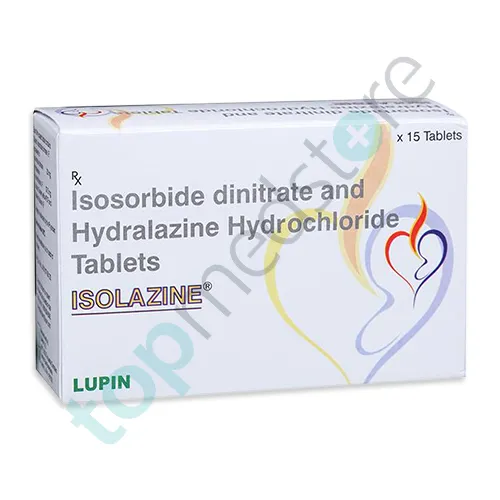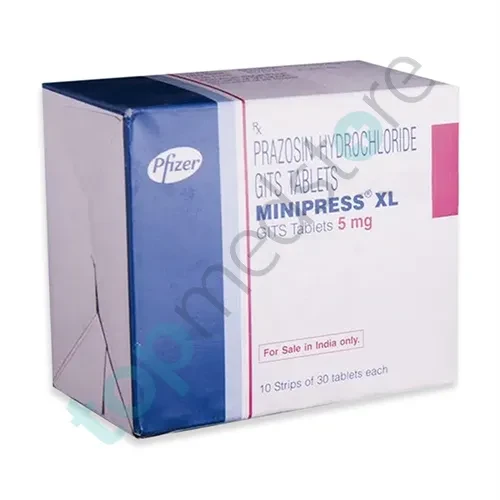
Prazosin ER 5mg
$88.20 – $288.00
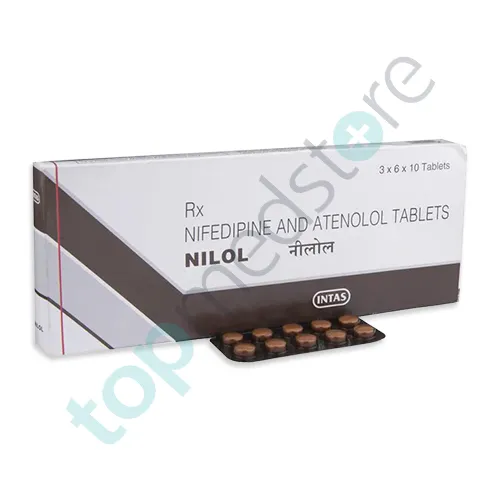
Nifedipine-Atenolol is a combination medicine used to treat high blood pressure and certain heart-related conditions. A cardiologist may prescribe this medicine to improve blood flow, lower pressure inside the arteries, and reduce strain on the heart.
This medicine contains two active ingredients. Nifedipine is a calcium channel blocker, while Atenolol is a beta blocker. These two medicines work in different ways, but together they help control blood pressure more effectively.
High blood pressure, also called hypertension, happens when blood pushes too hard against the walls of the blood vessels. Over time, this pressure can damage the heart, brain, kidneys, and arteries. Many people with hypertension do not notice symptoms in the early stages. Because of this, regular treatment is important even when a person feels healthy.
Doctors may also use Nifedipine-Atenolol tablets for patients who experience chest pain caused by reduced blood flow to the heart. This chest pain is called angina. Angina usually feels like pressure, heaviness, or tightness in the chest.
The medicine helps the heart work more efficiently and improves circulation throughout the body. Better blood flow lowers the risk of serious problems such as heart attack, stroke, and heart failure.
A cardiologist may recommend lifestyle changes along with this medicine. Healthy food, exercise, stress control, and reduced salt intake can improve blood pressure management and heart health.
Nifedipine-Atenolol affects both the heart and blood vessels. Each ingredient has a different action inside the body.
Nifedipine relaxes and widens blood vessels. This allows blood to move more easily through the arteries. When blood vessels become relaxed, blood pressure decreases and circulation improves.
Atenolol slows the heart rate and reduces the force of heart contractions. This lowers the amount of work the heart must do every day. A slower and steadier heartbeat also helps reduce oxygen demand in the heart muscles.
Together, these actions improve cardiovascular function. Cardiovascular means related to the heart and blood vessels.
Patients with high blood pressure may notice fewer symptoms such as headaches, dizziness, or pressure in the chest after blood pressure becomes controlled. Patients with angina may experience less chest discomfort during physical activity.
The medicine may also improve oxygen supply to the heart by reducing stress on the cardiovascular system. This can help patients perform daily activities more comfortably.
A cardiologist may check blood pressure, pulse rate, and overall heart health during treatment. Regular monitoring helps ensure the medicine is working safely.
The main use of Nifedipine-Atenolol is the treatment of hypertension. Lowering blood pressure reduces the risk of long-term complications involving the heart, kidneys, eyes, and brain.
Doctors also prescribe this medicine for angina pectoris. Pectoris means chest pain caused by reduced oxygen supply to the heart muscles. Patients with angina may feel pain or tightness during exercise, stress, or emotional tension.
Some patients with rapid heartbeat or increased heart workload may also benefit from this combination treatment. Atenolol helps slow the heart rate, while Nifedipine improves blood vessel relaxation.
The medicine may be useful for patients who do not achieve proper blood pressure control with a single medicine alone. Combination therapy can sometimes provide stronger and more stable results.
A cardiologist carefully decides the correct dose depending on age, blood pressure readings, heart condition, and overall health.
Patients should continue treatment regularly even when symptoms improve. High blood pressure often returns if medicine is stopped suddenly.
Nifedipine-Atenolol works through two different mechanisms that support heart health and blood pressure control.
Nifedipine blocks calcium movement into the muscle cells of blood vessels. Calcium normally helps muscles tighten. When calcium entry decreases, the blood vessels relax and widen. Wider blood vessels reduce resistance to blood flow.
Atenolol blocks the action of stress hormones such as adrenaline on the heart. Adrenaline usually increases heart rate and blood pressure. By reducing this effect, Atenolol slows the heartbeat and lowers pressure on the heart muscles.
These combined actions help blood circulate more smoothly throughout the body. The heart does not need to pump as hard, which lowers cardiovascular strain.
Doctors often advise patients to take the medicine at the same time every day for stable blood pressure control.
Patients should avoid suddenly stopping the medicine because this may worsen blood pressure or heart symptoms.
Some medicines may interact with Nifedipine-Atenolol. These include certain diabetes medicines, asthma medicines, heart drugs, and antidepressants. Patients should inform their healthcare provider about all medicines they use.
Grapefruit juice may affect Nifedipine levels in the body and should only be consumed if approved by a doctor.
Like all medicines, Nifedipine-Atenolol can cause side effects. Many side effects are mild and improve with time.
Common side effects include dizziness, tiredness, headache, slow heartbeat, swelling in the ankles, flushing, and weakness. Flushing means warmth or redness of the skin, especially on the face.
Some patients may notice cold hands or feet because Atenolol can reduce blood flow slightly to the outer parts of the body.
Nifedipine may sometimes cause ankle swelling due to changes in blood vessel pressure. This effect is usually mild but should be discussed with a doctor if severe.
Low blood pressure may cause lightheadedness or fainting, especially when standing quickly.
Rare but serious side effects include severe chest pain, irregular heartbeat, breathing difficulty, or severe allergic reactions. Immediate medical care is necessary if these symptoms appear.
Patients with asthma, diabetes, liver disease, or heart failure may require closer monitoring during treatment.
A cardiologist may perform regular follow-ups to monitor heart rate, blood pressure, and treatment safety during long-term use.
This content is for educational purposes only and does not replace professional medical advice, diagnosis, or treatment. Nifedipine-Atenolol should only be used under the supervision of a qualified cardiologist or healthcare professional. Always follow your doctor’s instructions regarding dosage, monitoring, and lifestyle management during treatment.
| Product name | Nifedipine-Atenolol |
|---|---|
| Category | Blood Pressure Medicines |
| Shipping offer | Free shipping on orders of $110.00 or more |
$88.20 – $288.00
$87.00 – $284.00
$28.50 – $93.60
$39.90 – $130.80