Dabigatran Etexilate Mesilate 150mg
$119.40 – $391.20
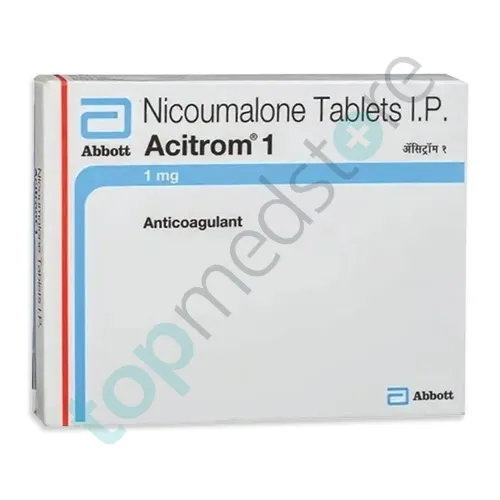
Nicoumalone is a medicine used to prevent harmful blood clots in the body. It belongs to a group of medicines called anticoagulants, also known as blood thinners. Blood thinners do not actually make the blood thin. They help slow down the blood clotting process and lower the risk of dangerous clot formation.
Doctors prescribe Nicoumalone to people who have conditions linked to abnormal blood clotting. Blood clots can block blood flow and may lead to serious health problems such as stroke, deep vein thrombosis (DVT), or pulmonary embolism. Deep vein thrombosis means a blood clot that forms in a deep vein, usually in the legs. Pulmonary embolism happens when a clot travels to the lungs.
Nicoumalone is commonly used for long-term clot prevention in people with heart valve problems, irregular heartbeat, or a history of blood clotting disorders. Some healthcare providers also prescribe it after certain surgeries where clot risk is higher.
This medicine requires regular monitoring because the correct dose may vary from person to person. Doctors often order a blood test called INR (International Normalized Ratio) to check how well the medicine is working. INR measures how long the blood takes to clot.
Nicoumalone helps prevent the formation of harmful blood clots inside blood vessels. The body normally forms clots to stop bleeding after an injury. However, in some people, clots may form inside veins or arteries without injury. These clots can become dangerous if they block blood flow.
Nicoumalone works by reducing the activity of vitamin K in the liver. Vitamin K helps the body produce clotting proteins called clotting factors. Clotting factors are substances that help blood clot normally.
When Nicoumalone lowers the activity of vitamin K, the body produces fewer clotting factors. As a result, blood takes longer to clot. This helps lower the risk of dangerous clot formation.
The medicine does not dissolve existing blood clots immediately. Instead, it helps stop clots from getting larger and reduces the chance of new clots forming.
Because clotting becomes slower, people taking Nicoumalone may bleed more easily. This is why doctors carefully monitor treatment with regular blood tests and dose adjustments.
Nicoumalone is mainly used to prevent and treat blood clotting problems. Doctors prescribe it for several cardiovascular and circulation-related conditions.
One common use is preventing deep vein thrombosis (DVT). DVT happens when a blood clot forms in a deep vein, usually in the legs. If the clot breaks loose, it may travel to the lungs and cause a pulmonary embolism, which can become life-threatening.
Nicoumalone is also used in people with atrial fibrillation. Atrial fibrillation is an irregular heartbeat that increases the risk of stroke. In this condition, blood may collect and clot inside the heart.
Doctors may also prescribe Nicoumalone for people with:
People with heart valve replacement surgery often require long-term anticoagulant treatment because artificial valves may increase clot formation risk.
In some cases, Nicoumalone may be combined with other medicines during the beginning of treatment until stable blood thinning is achieved.
Healthcare providers usually advise patients to maintain a consistent intake of vitamin K-rich foods such as spinach, broccoli, and cabbage. Sudden changes in vitamin K intake may affect how the medicine works.
Nicoumalone works by blocking the action of vitamin K in the liver. Vitamin K is necessary for making several clotting factors, including Factor II, VII, IX, and X. These clotting factors help stop bleeding during injury.
When Nicoumalone reduces the production of these clotting factors, the blood becomes less likely to form harmful clots. This process helps protect against stroke, vein blockage, and clot-related complications.
The medicine does not work instantly. It may take several days before the full anticoagulant effect develops because existing clotting factors remain in the bloodstream for some time.
Doctors monitor treatment using the INR blood test. If the INR is too low, the blood may clot too easily. If the INR becomes too high, the risk of bleeding increases.
Many medicines, foods, and alcohol may interact with Nicoumalone. Some antibiotics, pain relievers, and herbal supplements may change how the medicine works. Patients should always inform their doctor about all medicines and supplements they use.
People taking Nicoumalone should avoid activities that may increase injury risk because bleeding may take longer to stop.
Like all medicines, Nicoumalone may cause side effects. The most common side effect is increased bleeding because the medicine slows blood clotting.
Common side effects include:
Some people may notice blood in the urine or stools. Stools may appear black or tar-like if internal bleeding occurs.
Serious side effects need immediate medical attention. These may include:
Rarely, some people may develop skin reactions or liver-related problems during treatment.
Regular blood tests are very important during Nicoumalone therapy because they help doctors adjust the dose safely and lower the risk of complications.
This content is for informational purposes only and does not replace professional medical advice, diagnosis, or treatment. Always consult a doctor, cardiologist, or healthcare professional before starting or changing Nicoumalone treatment. Use this medicine only under proper medical supervision and follow all prescribed blood test monitoring instructions.
| Product name | Nicoumalone |
|---|---|
| Category | Blood Thinners & Antiplatelet Medicines |
| Shipping offer | Free shipping on orders of $110.00 or more |
$119.40 – $391.20
$234.00 – $765.60
$21.60 – $69.60
$27.00 – $88.80