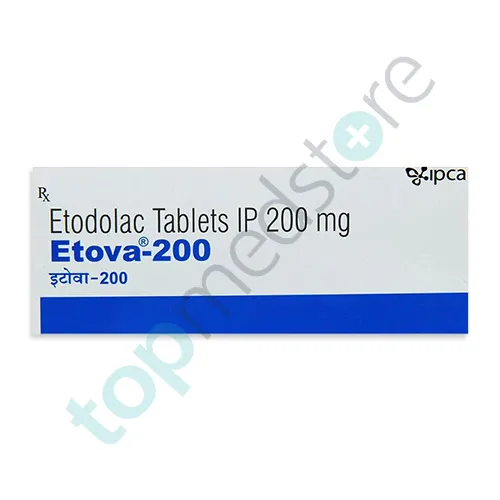
Etodolac 200mg
$38.00 – $124.00
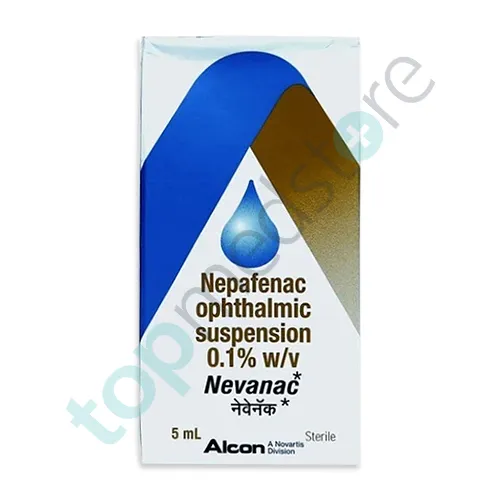
Nepafenac is a prescription eye medicine used to reduce eye pain, redness, and swelling after eye surgery. An ophthalmologist prescribes this medicine. An ophthalmologist is a doctor who treats eye diseases and performs eye surgery.
Doctors commonly use Nepafenac after cataract surgery. A cataract is a cloudy area in the eye lens that causes blurry vision and poor eyesight.
Eye surgery can sometimes cause inflammation inside the eye. Inflammation means redness, swelling, irritation, and pain.
Nepafenac helps reduce this inflammation and supports healing after surgery.
The medicine belongs to a group called nonsteroidal anti-inflammatory drugs (NSAIDs). NSAIDs help reduce pain and swelling.
Nepafenac is available as eye drops applied directly into the affected eye.
Regular use as prescribed may improve comfort and support smoother recovery after eye procedures.
Nepafenac works by lowering inflammation inside the eye.
After eye surgery, the body releases chemicals called prostaglandins. Prostaglandins are substances that cause pain, swelling, redness, and irritation.
Nepafenac blocks the production of these inflammatory chemicals.
As prostaglandin levels decrease, eye swelling and pain become less severe.
The medicine enters eye tissues and changes into its active form inside the eye.
This helps provide targeted anti-inflammatory action where healing is needed.
Reducing inflammation also helps protect delicate eye tissues during recovery.
Patients may notice improved comfort, less irritation, and reduced sensitivity after regular use.
Doctors prescribe Nepafenac mainly for inflammation and pain after eye surgery.
It is commonly used after cataract surgery to reduce swelling and discomfort inside the eye.
The medicine may also help lower the risk of certain complications caused by inflammation after surgery.
Some patients with diabetes may receive Nepafenac to reduce the risk of swelling in the retina after cataract surgery.
The retina is the light-sensitive layer at the back of the eye that helps create vision.
Doctors may prescribe this medicine before and after surgery depending on the patient’s condition and recovery needs.
Proper treatment may improve healing comfort and support better visual recovery.
Nepafenac works by blocking enzymes that produce inflammatory chemicals inside the eye.
After application, the medicine passes through the cornea. The cornea is the clear front surface of the eye.
Inside the eye, Nepafenac changes into its active form called amfenac.
This active medicine blocks the production of prostaglandins that cause inflammation and pain.
As inflammation decreases, swelling and discomfort improve.
Reducing inflammation also helps protect eye tissues during healing after surgery.
Doctors usually recommend using the eye drops exactly as prescribed because proper timing helps maintain stable anti-inflammatory effects.
Patients should avoid touching the dropper tip to prevent contamination and infection.
Like all eye medicines, Nepafenac may cause side effects, although many are mild and temporary.
Some patients may experience mild burning, stinging, or irritation after using the eye drops.
Blurred vision for a short time after application may also occur.
Certain patients may notice eye redness, watery eyes, or sensitivity to light.
Dry eyes or itching may develop in some people.
Rarely, delayed wound healing or damage to the eye surface may occur, especially with prolonged use.
Patients with certain eye diseases or previous corneal problems may require closer monitoring.
The cornea is the clear protective layer covering the front of the eye.
Patients should seek medical help if they develop severe eye pain, vision changes, heavy redness, or signs of infection.
Doctors may monitor healing progress during treatment after eye surgery.
This content is for informational purposes only. It does not replace professional medical advice, diagnosis, or treatment. Always consult an ophthalmologist or healthcare professional before starting or changing Nepafenac treatment. Use this medicine only as prescribed and follow proper eye care instructions for safe recovery after eye surgery.
| Product name | Nepafenac |
|---|---|
| Category | Eye Infection & Inflammation Treatments |
| Shipping offer | Free shipping on orders of $110.00 or more |
$38.00 – $124.00
$49.50 – $162.00
$62.00 – $202.00
$44.00 – $144.00