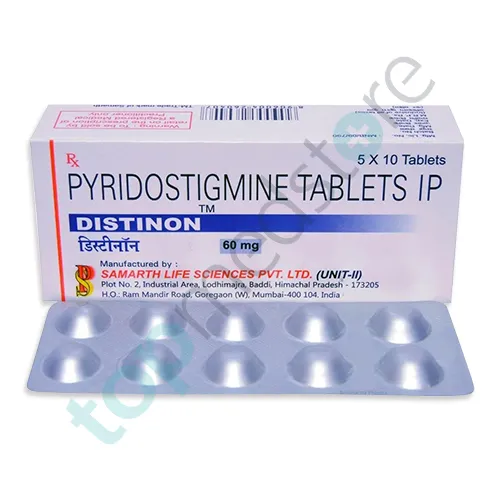
Neostigmine 15mg
$54.00 – $180.00
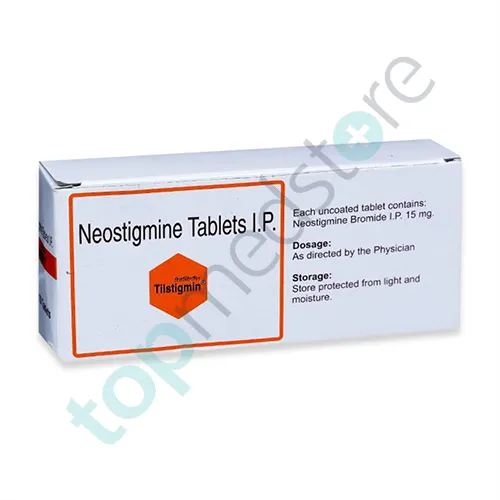
Neostigmine is a prescription medicine used to improve muscle strength and nerve-to-muscle communication in the body.
It is mainly used in conditions where muscles become weak because nerve signals are not working properly. One of the most common conditions is myasthenia gravis, a long-term autoimmune disease where the body’s immune system affects normal muscle function. This leads to weakness in the eyes, face, arms, legs, and sometimes breathing muscles.
This medicine is also used in hospitals by neurologists, anesthetists, and critical care doctors. In surgical settings, it helps reverse the effects of certain anesthesia drugs that relax muscles during surgery.
Because it acts directly on nerve-muscle communication, it is a very important medicine in both long-term treatment and emergency hospital care.
After taking Neostigmine, the medicine works at the junction where nerves connect to muscles.
Muscles move only when they receive signals from nerves. These signals use a chemical messenger called acetylcholine. Acetylcholine helps muscles contract, move, and perform normal body functions like walking, blinking, swallowing, and breathing.
In normal conditions, acetylcholine is released and then quickly broken down by an enzyme called acetylcholinesterase. This keeps muscle activity balanced.
In some diseases like myasthenia gravis, acetylcholine activity becomes too weak, so muscles cannot respond properly. This leads to tiredness and muscle weakness even after small efforts.
Neostigmine works by blocking the enzyme acetylcholinesterase. When this enzyme is blocked, acetylcholine is not broken down quickly.
This increases the amount of active acetylcholine in the nerve-muscle connection.
With more acetylcholine available, nerve signals become stronger and last longer.
As a result, muscle movement improves and weakness reduces.
This effect helps patients regain better control over daily movements and physical strength.
Doctors prescribe Neostigmine mainly for myasthenia gravis, where muscle weakness affects daily life activities like chewing, speaking, lifting objects, or even keeping eyes open for long periods.
Neostigmine helps improve muscle strength and reduces fatigue in these patients. It is often used as part of long-term treatment along with other immune-modulating medicines.
In hospitals, it is also used after surgery to reverse muscle relaxation caused by anesthesia drugs. During surgery, muscles are intentionally relaxed so procedures can be done safely. After surgery, Neostigmine helps bring back normal muscle function.
In some cases, it may also be used for post-operative bowel or bladder movement problems, where muscles are slow to start working again after an operation.
The use of this medicine is always carefully decided by doctors because the dose needs to be precise for safe muscle control.
Neostigmine works by increasing the level and activity of a chemical called acetylcholine.
Acetylcholine is essential for communication between nerves and muscles. Without enough of it, muscles become weak and slow.
Normally, acetylcholinesterase breaks down acetylcholine quickly after it is used. This prevents excessive muscle stimulation.
Neostigmine blocks this enzyme. When the enzyme is blocked, acetylcholine remains active for a longer time at the nerve-muscle junction.
This leads to stronger and longer-lasting muscle signals.
Because of this improved signaling, muscles contract more effectively and work more efficiently.
In hospital settings, this same action helps reverse the muscle-relaxing effect of anesthesia medicines so patients can regain normal movement after surgery.
Like all medicines, Neostigmine may cause side effects, especially if the dose is too high or if the body is sensitive to increased acetylcholine levels.
Common side effects include stomach cramps, nausea, vomiting, increased saliva production, sweating, and mild diarrhea. These happen because acetylcholine also affects the digestive system and glands.
Some patients may experience muscle twitching or mild muscle cramps if the medicine increases nerve activity too much.
Neostigmine may also slow the heart rate in some patients, leading to feelings of tiredness or dizziness.
Less common side effects include headache, blurred vision, or increased urination.
Rare but serious side effects include severe muscle weakness, breathing difficulty, very slow heart rate, or allergic reactions. These require immediate medical attention.
Doctors carefully adjust the dose to avoid overstimulation of muscles while still improving strength and movement.
This content is for educational purposes only. It does not replace medical advice, diagnosis, or treatment. Always consult a neurologist, anesthetist, or qualified healthcare professional before using Neostigmine. Use this medicine only under proper medical supervision for safe and effective treatment of nerve-muscle related conditions.
| Product name | Neostigmine |
|---|---|
| Category | Brain & Nerve Health |
| Shipping offer | Free shipping on orders of $110.00 or more |