Acamprosate 333mg
$96.30 – $316.80
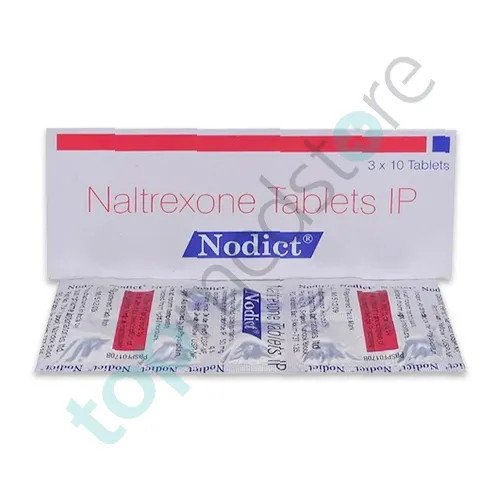
Naltrexone is a prescription opioid receptor antagonist medicine used in the treatment of alcohol dependence and opioid dependence. It is commonly prescribed by a psychiatrist or an addiction medicine specialist as part of a long-term recovery plan.
Substance dependence is a chronic condition where the brain becomes strongly dependent on alcohol or opioid drugs. This leads to cravings, loss of control over use, and repeated consumption even when it causes harm to physical health, mental health, and social life.
Naltrexone does not produce any intoxicating effect and does not cause a “high.” Instead, it works by reducing the pleasurable effects of alcohol and opioids. This makes it easier for patients to avoid relapse during recovery.
It is available in oral tablet form and also as a long-acting injection in some treatment settings, depending on medical needs and supervision.
Naltrexone works by acting on specific brain proteins called opioid receptors, which are part of the brain’s reward and pleasure system.
Normally, when a person consumes alcohol or opioid drugs, these substances activate opioid receptors. This activation produces feelings of pleasure, relaxation, and reward. Over time, the brain starts linking these feelings with repeated substance use, which increases cravings.
Naltrexone blocks these opioid receptors.
When these receptors are blocked, alcohol and opioid drugs cannot activate them effectively. As a result, the “reward signal” in the brain becomes much weaker or is completely blocked.
In alcohol dependence, this reduction in reward response helps decrease the urge to drink. Even if alcohol is consumed, it produces less satisfaction, which gradually reduces craving and dependence behavior.
In opioid dependence, Naltrexone prevents opioids from attaching to receptors. This blocks their effects and helps prevent relapse after detoxification.
Over time, the brain begins to weaken the learned association between substance use and pleasure, which supports long-term recovery.
Doctors prescribe Naltrexone mainly for the management of alcohol use disorder, where a person has difficulty controlling alcohol intake and experiences repeated relapse.
It helps reduce cravings and supports abstinence when used along with counseling and behavioral therapy.
It is also used in opioid dependence treatment, especially after a patient has completed detoxification and opioids are no longer present in the body.
Naltrexone is not used while a person is still actively using opioids, because it can trigger sudden withdrawal symptoms. It is started only after a confirmed opioid-free period.
In some treatment programs, it is used as part of a comprehensive relapse prevention strategy that includes psychological counseling, support groups, and lifestyle modification.
It is important to understand that Naltrexone works best as part of a full addiction treatment plan rather than as a standalone solution.
Naltrexone works by blocking the action of endogenous and external opioids in the brain.
The brain contains opioid receptors, especially mu-opioid receptors, which regulate pain, pleasure, and reward responses.
When alcohol or opioid drugs enter the body, they stimulate these receptors and create a strong sense of reward. This reward reinforces repeated substance use and strengthens addiction pathways in the brain.
Naltrexone binds strongly to these receptors but does not activate them. This means it acts as a protective block.
Because the receptors are occupied, alcohol and opioids cannot produce their usual pleasurable effects.
This leads to a reduction in craving intensity over time. The brain slowly stops associating substance use with strong reward signals.
With continued use and proper counseling, this helps support long-term abstinence and recovery stability.
Like all medicines, Naltrexone may cause side effects, although not every patient experiences them and many effects are mild.
Some patients may experience nausea, vomiting, abdominal pain, or loss of appetite, especially during the early phase of treatment.
Headache, dizziness, or fatigue may occur as the body adjusts to the medicine.
Sleep disturbances, anxiety, or restlessness may also be seen in some individuals.
In rare cases, liver enzyme levels may increase, so doctors may recommend periodic liver function tests during treatment.
Some patients may notice mood changes or irritability during therapy, which should be reported to a healthcare provider.
Serious side effects are uncommon, but any unusual symptoms should be medically evaluated promptly.
This medicine must always be taken under strict medical supervision, especially in individuals with liver conditions or a history of substance dependence.
This content is for informational purposes only. It does not replace professional medical advice, diagnosis, or treatment. Always consult a psychiatrist or an addiction medicine specialist before starting or changing Naltrexone. Use this medicine exactly as prescribed and follow a structured recovery plan for safe and effective management of alcohol and opioid dependence.
| Product name | Naltrexone |
|---|---|
| Category | Mental Health & Addiction |
| Shipping offer | Free shipping on orders of $110.00 or more |
$96.30 – $316.80
$25.76 – $84.16
$29.76 – $97.28
$62.40 – $204.00