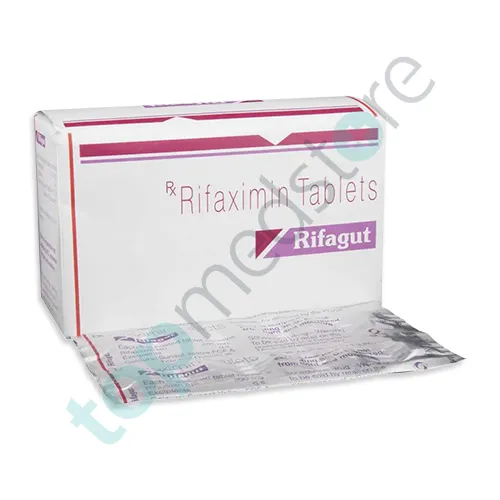
Rifaximin 200mg
$207.00 – $680.00
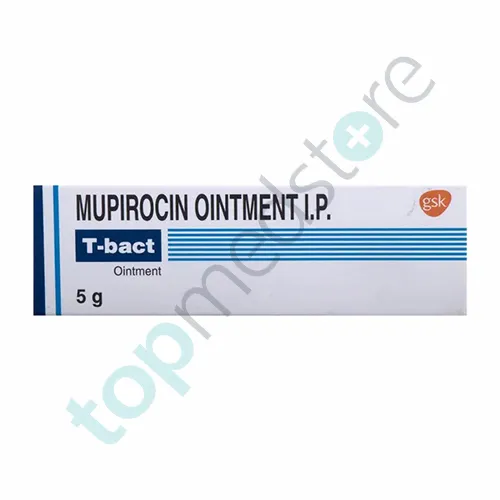
Mupirocin is a prescription antibiotic medicine used on the skin to treat bacterial skin infections. A bacterial infection means harmful bacteria enter the skin, grow, and cause redness, swelling, pain, and pus formation.
Doctors commonly prescribe Mupirocin ointment or cream for minor to moderate skin infections. It is usually applied directly to the affected area of the skin.
A dermatologist (skin specialist) or a general physician often prescribes this medicine for localized skin infections.
Mupirocin belongs to a group called topical antibiotics.
A topical antibiotic is a medicine that is applied on the skin instead of being taken by mouth.
This medicine does not work for viral or fungal infections. It only treats bacterial infections on the skin.
Mupirocin works by stopping bacteria from growing on the skin.
Bacteria need proteins to grow and multiply. These proteins help them spread infection and damage skin tissue.
Mupirocin blocks the process bacteria use to make proteins.
When bacteria cannot make proteins, they stop growing and slowly die.
As bacteria reduce, skin infection symptoms start to improve.
Symptoms like redness, swelling, pain, itching, and pus formation gradually reduce.
Pus is a thick fluid made of dead bacteria, dead skin cells, and immune cells during infection.
Doctors usually advise applying Mupirocin for a fixed number of days. Even if the skin looks better early, treatment should continue until the course is completed.
Stopping early can allow bacteria to return and cause reinfection.
Doctors use Mupirocin to treat several types of bacterial skin infections.
It is commonly used for impetigo, a skin infection that causes red sores, crusting, and oozing, especially in children.
A dermatologist may also prescribe it for infected wounds, cuts, or minor burns where bacteria have entered the skin.
It is used for boils, which are painful, pus-filled lumps caused by bacterial infection in hair follicles.
Mupirocin is also used for folliculitis, a condition where hair roots become infected and cause small red bumps or pimples.
In some cases, doctors use it to reduce bacteria on the skin before minor surgical procedures.
It may also be used inside the nose in certain cases to remove bacteria and prevent spread of infection.
Mupirocin works by stopping bacteria from making essential proteins.
Bacteria need proteins to grow, repair themselves, and spread infection.
Mupirocin blocks a key step in protein production inside bacterial cells.
When bacteria cannot make proteins, they lose energy and ability to survive.
They slowly stop growing and die on the skin surface.
As bacteria reduce, the skin starts healing naturally.
Redness, swelling, and pain gradually go down as the infection clears.
Doctors usually advise applying a thin layer of Mupirocin to the affected area at regular intervals.
It is important to clean the area before applying the medicine for better results.
Like all medicines, Mupirocin may cause side effects, but most are mild and limited to the skin.
Common side effects include burning, itching, redness, or mild irritation at the application site.
Some people may feel dryness or a slight stinging sensation after applying the ointment.
Rare but serious side effects include severe allergic reactions, swelling, or worsening skin irritation.
Allergic reaction means the body reacts strongly to the medicine, causing rash, itching, or swelling.
Patients should stop using the medicine and contact a doctor if symptoms become severe or do not improve.
A dermatologist or general physician should guide treatment for safe use.
This content is for educational purposes only. It does not replace professional medical advice, diagnosis, or treatment. Always consult a dermatologist or general physician before using Mupirocin. Use this medicine only under proper medical supervision.
| Product name | Mupirocin |
|---|---|
| Category | Bacterial Skin Treatments |
| Shipping offer | Free shipping on orders of $110.00 or more |
$207.00 – $680.00
$83.10 – $211.20
$142.00 – $464.00
$58.50 – $147.60