Hydrocortisone 5mg
$50.00 – $164.00
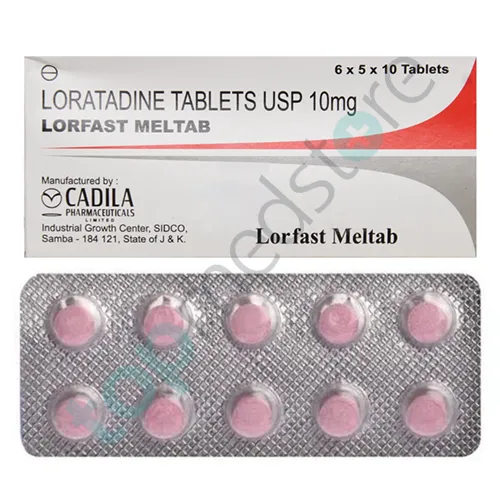
Loratadine is an anti-allergy medicine used to relieve symptoms caused by allergies. Doctors commonly prescribe this medicine for sneezing, runny nose, itchy eyes, skin itching, and allergic skin rashes. An allergist, ENT specialist, or dermatologist may recommend Loratadine for people who suffer from seasonal allergies or skin allergies.
This medicine belongs to a group called antihistamines. Antihistamines block a natural chemical in the body called histamine. Histamine is the chemical that causes many allergy symptoms such as itching, swelling, watery eyes, and sneezing.
Loratadine is widely used because it usually causes less sleepiness compared to older allergy medicines. Many people use it during pollen season, dust exposure, pet allergies, or weather changes that trigger allergic reactions.
The medicine is available in tablets, syrup, and dissolvable forms. Doctors may prescribe it for adults and children depending on age and medical condition.
People often search online using terms like allergy relief medicine, antihistamine tablet, sneezing treatment, hay fever medicine, skin allergy treatment, and non-drowsy allergy medicine when looking for information about Loratadine.
Loratadine works by blocking the action of histamine in the body. Histamine is released when the immune system reacts to allergens such as dust, pollen, smoke, pet hair, or certain foods.
An allergen is a substance that causes an allergic reaction. When histamine levels increase, the body may react with sneezing, itching, watery eyes, skin rash, or nasal congestion.
Loratadine helps calm this reaction. It reduces allergy symptoms and makes breathing and daily activities more comfortable.
The medicine mainly works in the nose, skin, eyes, and airways. It helps reduce swelling, irritation, and itching caused by allergies.
Many people start feeling better within a few hours after taking the medicine. The effects can last for a full day in many patients, which is why doctors often recommend taking it once daily.
Unlike some older antihistamine medicines, Loratadine usually causes less drowsiness. Drowsiness means feeling sleepy or tired.
Doctors prescribe Loratadine for many types of allergy-related conditions. It is commonly used for seasonal allergies and skin allergies.
One common use is for allergic rhinitis, also called hay fever. This condition causes sneezing, runny nose, blocked nose, itchy throat, and watery eyes. Pollen, dust, and mold are common triggers.
Loratadine is also used for skin allergies such as hives and itching. Hives are raised, itchy bumps on the skin caused by an allergic reaction.
Some people use Loratadine for pet allergies, dust allergies, weather-related allergies, or reactions caused by environmental irritants.
Doctors may also recommend the medicine for mild allergic swelling and irritation caused by insect bites or certain foods.
Parents sometimes ask doctors about Loratadine for children with allergy symptoms. Pediatricians may prescribe child-friendly forms such as syrup when needed.
Related SEO and LSI keywords include allergy medicine, antihistamine drug, hay fever treatment, itchy skin relief, runny nose tablet, non-sedating antihistamine, seasonal allergy relief, and allergy symptom control.
Loratadine works by blocking histamine receptors in the body. Histamine receptors are places where histamine attaches and starts allergy symptoms.
When Loratadine blocks these receptors, histamine cannot fully act on the body. This helps reduce sneezing, itching, swelling, and watery eyes.
The medicine does not cure allergies permanently. Instead, it controls symptoms while the body is exposed to allergy triggers.
Doctors often recommend taking Loratadine regularly during allergy season for better symptom control. Missing doses may allow allergy symptoms to return.
Patients should follow the correct dose and avoid taking extra medicine without medical advice. Although Loratadine is generally considered safe, taking too much may increase side effects.
People with liver disease, kidney disease, or long-term medical conditions should inform their doctor before using this medicine.
Alcohol may increase tiredness in some people while using Loratadine, even though the medicine is considered less sedating than older antihistamines.
Like all medicines, Loratadine may cause side effects in some people. Most side effects are mild and temporary.
Common side effects include headache, dry mouth, tiredness, mild stomach discomfort, and dizziness. Some people may feel sleepy, although this is less common compared to older allergy medicines.
Children may sometimes become restless or irritable after taking the medicine.
Rare but serious side effects may include fast heartbeat, severe allergic reaction, breathing trouble, or swelling of the face and throat.
Patients should seek emergency medical help if they notice severe rash, chest tightness, or difficulty breathing.
A dermatologist, allergy specialist, or ENT doctor may monitor patients with severe allergies, asthma, or chronic skin conditions before recommending long-term allergy treatment.
Using Loratadine correctly and avoiding known allergy triggers may help improve symptom control and daily comfort.
This information is for educational purposes only. It does not replace professional medical advice, diagnosis, or treatment. Always consult a licensed healthcare provider before using Loratadine or changing your medication routine.
| Product name | Loratadine |
|---|---|
| Category | Non-Drowsy Allergy Medicines |
| Shipping offer | Free shipping on orders of $110.00 or more |
$50.00 – $164.00
$63.30 – $207.60
$82.49 – $269.96
$37.05 – $121.32