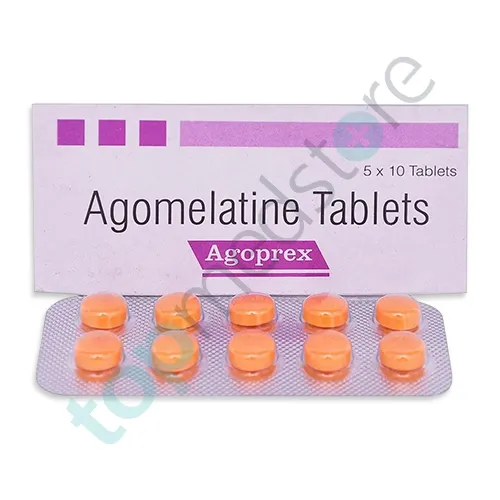
Agomelatine 25mg
$80.10 – $261.60
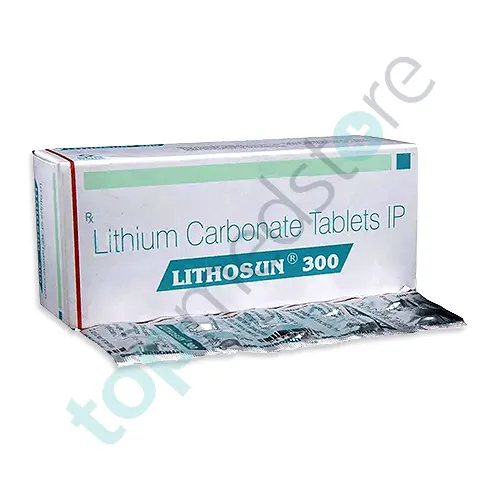
| Product name | Lithium 300mg |
|---|---|
| Active Ingredient | Lithium |
| Dosage | 300mg |
| Drug Type | Tablets |
| Indication | Bipolar Disorder |
| Manufacturer | Sun Pharma |
Total $36.00
Lithium 300mg is a prescription medicine used to treat mood disorders, especially bipolar disorder (a condition that causes extreme mood swings between high energy and low mood). A psychiatrist (a doctor who treats mental health conditions) or a general physician prescribes this medicine to help stabilize mood.
Lithium belongs to a group called mood stabilizers (medicines that help control extreme emotional changes). It has been used for many years and is considered an effective treatment for long-term mood balance.
Doctors carefully adjust the 300mg dose based on blood levels and individual response. Regular monitoring is important because the medicine works within a specific range in the body.
Your brain uses neurotransmitters (chemical messengers) to control mood, behavior, and emotions. In conditions like bipolar disorder, these chemicals become unbalanced.
This imbalance can cause mania (a state of very high energy, excitement, or irritability) and depression (a state of low mood, sadness, and low energy).
Lithium helps stabilize these mood changes. It affects the way nerve cells send signals and helps maintain a balanced level of brain chemicals.
As a result, it reduces extreme mood swings and helps people feel more stable and in control of their emotions.
Doctors prescribe Lithium 300mg mainly for bipolar disorder. It helps control both manic episodes (periods of high energy and impulsive behavior) and depressive episodes.
It is also used to prevent future mood swings and maintain long-term emotional stability.
In some cases, doctors may use lithium for treatment-resistant depression (depression that does not improve with other medicines).
This medicine helps improve mood stability, reduce emotional ups and downs, and support better daily functioning.
Lithium 300mg works by affecting the balance of brain chemicals and stabilizing nerve activity.
It influences how neurotransmitters send signals between brain cells. This helps control mood and reduce extreme emotional changes.
Lithium also protects nerve cells and improves communication in the brain. This leads to more stable thinking, behavior, and emotional response.
The effect builds gradually. Patients may start noticing improvement over several days to weeks with regular use.
Lithium 300mg may cause some side effects, especially when starting treatment or if the dose is high.
Common side effects include tremors (shaking of hands), increased thirst, frequent urination, and mild nausea (feeling like vomiting). Some people may also feel tired or notice slight weight gain.
Because lithium affects fluid balance, patients may feel more thirsty than usual.
Serious side effects can occur if lithium levels become too high. These include confusion, severe tremors, vomiting, or unsteady walking. This condition is called lithium toxicity (dangerous high levels of lithium in the body).
Regular blood tests help keep lithium levels safe and prevent complications.
Take Lithium 300mg exactly as prescribed. Do not change the dose without medical advice.
Drink enough water daily, as dehydration can increase lithium levels and cause side effects.
Inform your doctor if you have kidney disease, thyroid problems, or heart conditions, as lithium may affect these organs.
Avoid sudden changes in salt intake, as sodium levels can affect how lithium works in your body.
Be careful while taking other medicines, especially diuretics (water tablets) or painkillers, as they may interact with lithium.
Do not stop taking lithium suddenly, as this may cause mood symptoms to return.
Regular blood tests are necessary to monitor lithium levels, kidney function, and thyroid health.
For more detailed medical information, refer to trusted US-based sources:
U.S. Food and Drug Administration – https://www.accessdata.fda.gov/drugsatfda_docs/label/2018/017812s041lbl.pdf
Mayo Clinic – https://www.mayoclinic.org/drugs-supplements/lithium-oral-route/description/drg-20064603
This content is for informational purposes only. It does not replace medical advice. Always consult a qualified doctor or psychiatrist (a mental health specialist) before starting or stopping any medication.
$80.10 – $261.60
$73.00 – $240.00
$39.00 – $128.00
$50.40 – $165.60