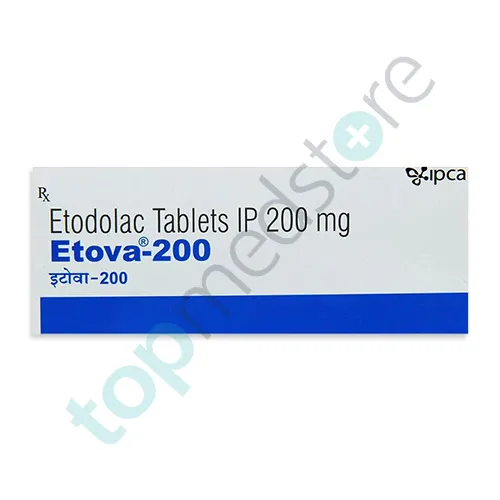
Etodolac 200mg
$38.00 – $124.00
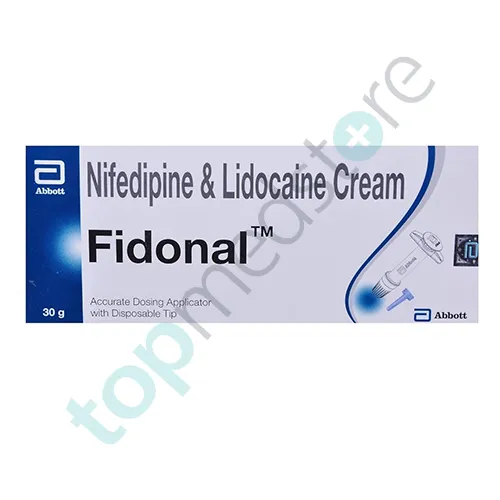
| Product name | Lidocaine (1.5% w/w) + Nifedipine (0.3% w/w) |
|---|---|
| Active Ingredient | Lidocaine + Nifedipine |
| Dosage | 1.5%-0.3% 30gm |
| Drug Type | Tubes |
| Indication | Anal Fissure |
| Manufacturer | Abbott |
Lidocaine + Nifedipine 1.5%-0.3% 30gm Ointment
In stock
Total $90.00
Lidocaine + Nifedipine is a prescription topical medicine used to relieve pain and muscle spasm in the anal area. It is commonly prescribed by a general physician or proctologist. A proctologist is a doctor who treats diseases of the rectum and anus.
This combination is mainly used for conditions like anal fissure, which is a small tear in the skin around the anus that causes pain and burning during bowel movements.
The medicine is available as an ointment or cream and is applied directly to the affected area.
It helps reduce pain, relax tight muscles, and improve healing.
Lidocaine + Nifedipine works through two different actions that help relieve pain and improve blood flow.
Lidocaine is a local anesthetic. It works by blocking pain signals from the nerves in the skin. This helps reduce burning pain and discomfort.
Nifedipine is a calcium channel blocker. It relaxes smooth muscles in blood vessels and the anal sphincter.
The anal sphincter is a ring-like muscle that controls the opening of the anus.
In anal fissures, this muscle becomes tight, which increases pain and reduces blood flow to the area.
By relaxing this muscle, nifedipine improves blood flow and reduces pressure.
Better blood flow helps the fissure heal faster.
Together, both medicines reduce pain and support healing at the same time.
Doctors prescribe Lidocaine + Nifedipine mainly for anal fissures.
It helps reduce sharp pain during and after bowel movements.
It also reduces muscle spasm in the anal region, which is a major cause of discomfort.
The medicine may also help reduce burning sensation, itching, and local irritation.
In some cases, it is used to improve healing in chronic fissures that take longer to recover.
Regular use helps make bowel movements less painful and improves comfort in daily life.
It is usually used along with dietary changes like increased fiber and water intake.
Lidocaine + Nifedipine works by combining pain relief and muscle relaxation.
Lidocaine blocks sodium channels in nerve endings. This prevents pain signals from reaching the brain. As a result, pain and burning sensation reduce quickly.
Nifedipine blocks calcium entry into smooth muscle cells. Calcium is needed for muscle contraction.
When calcium entry is reduced, the anal sphincter muscle relaxes.
Relaxed muscles reduce pressure in the affected area.
Improved blood flow helps deliver oxygen and nutrients to the damaged tissue.
This supports natural healing of the fissure over time.
Together, both actions provide fast pain relief and long-term healing support.
Like all medicines, Lidocaine + Nifedipine may cause side effects, although they are usually mild.
Some patients may experience mild burning, itching, or irritation at the application site.
Temporary redness or discomfort may occur after application.
Lidocaine may rarely cause numbness beyond the intended area.
Nifedipine may sometimes cause mild headache or dizziness due to slight blood vessel relaxation.
Rarely, allergic reactions such as rash, swelling, or severe irritation may occur.
Patients should avoid applying more than the recommended amount.
If severe irritation or unusual symptoms occur, medical advice should be taken.
Proper use under doctor supervision helps ensure safe and effective healing.
This content is for informational purposes only. It does not replace professional medical advice, diagnosis, or treatment. Always consult a physician or proctologist before starting or changing Lidocaine (1.5% w/w) + Nifedipine (0.3% w/w). Use this medicine exactly as prescribed and follow proper hygiene and dietary advice for faster healing of anal fissures.
$38.00 – $124.00
$49.50 – $162.00
$62.00 – $202.00
$44.00 – $144.00