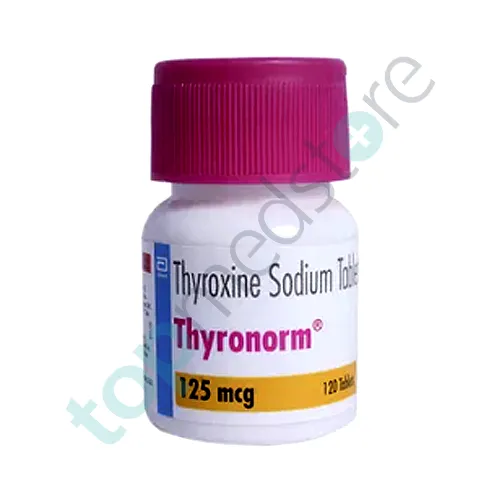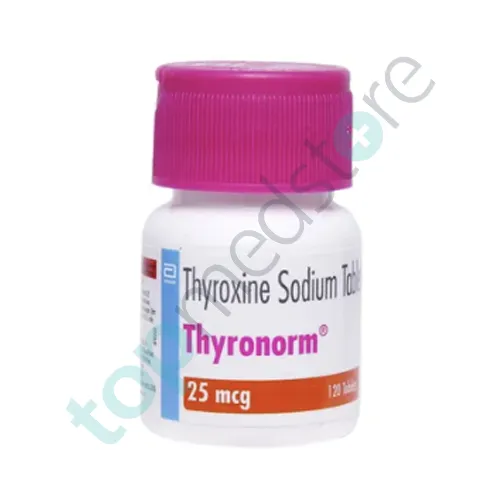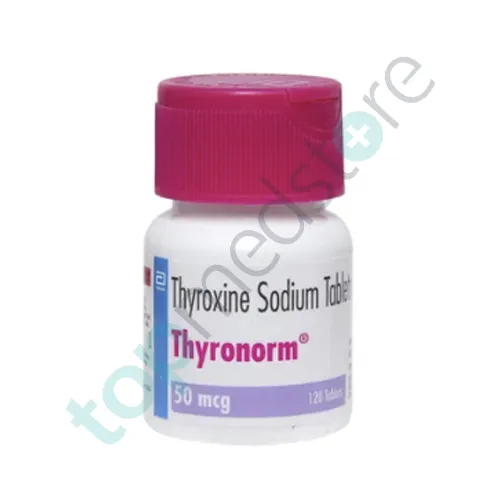
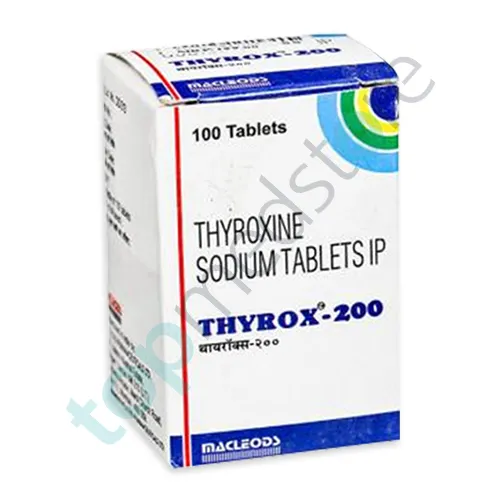
Levothyroxine 200mcg
$69.60 – $230.40
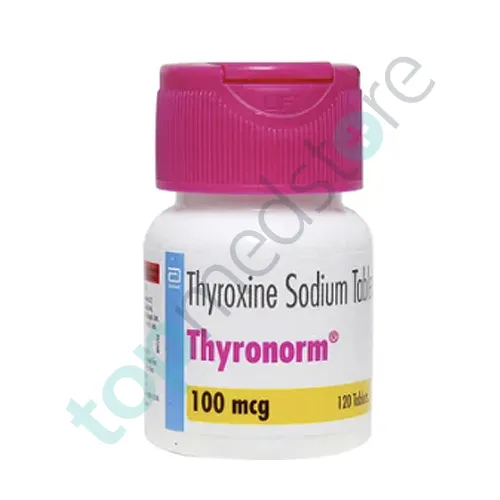
| Product name | Levothyroxine 100mcg |
|---|---|
| Active Ingredient | Levothyroxine |
| Dosage | 100mcg |
| Drug Type | Tablets |
| Indication | Hypothyroidism |
| Manufacturer | Abbott |
Total $42.00
Levothyroxine 100mcg is a prescription medicine used to treat hypothyroidism (a condition where the thyroid gland does not produce enough hormone). An endocrinologist (a doctor who treats hormone-related conditions) or a general physician prescribes this medicine to restore normal hormone levels.
This medicine contains levothyroxine sodium, which is a man-made form of thyroxine (T4) (a natural thyroid hormone). This hormone controls your body’s energy, metabolism (how your body uses food for energy), and many daily functions.
The 100mcg dose is commonly used for maintenance therapy. Doctors adjust the dose based on your blood tests, age, weight, and health condition. This medicine is usually taken daily for long-term treatment.
The thyroid gland (a small gland in your neck) controls how fast or slow your body works. It releases hormones that affect your heart rate, body temperature, and energy levels.
In hypothyroidism, your body does not produce enough thyroid hormone. This slows down body processes. You may feel tired, gain weight, feel cold, or notice dry skin and hair loss.
Levothyroxine 100mcg replaces the missing hormone. It helps bring hormone levels back to normal. This improves metabolism and supports normal body function.
With regular use, many people feel more active, focused, and balanced.
Doctors prescribe Levothyroxine 100mcg mainly for hypothyroidism. This condition may occur due to thyroid disease, autoimmune disorders (when the body attacks its own thyroid), or after thyroid surgery.
This medicine is also used after thyroid removal surgery to maintain normal hormone levels.
In some cases, doctors use it to treat goiter (swelling of the thyroid gland) and to manage thyroid cancer by controlling hormone levels.
This treatment helps improve energy, weight control, and overall health.
Levothyroxine 100mcg works by replacing the hormone your thyroid is not producing.
After you take the tablet, your body absorbs it and converts it into T3 (triiodothyronine) (the active thyroid hormone used by cells).
This hormone enters body cells and increases metabolic activity. It helps your body use energy properly and supports normal organ function.
The effect builds slowly. Most people start feeling better within a few weeks of regular use.
Levothyroxine 100mcg usually does not cause side effects when taken in the correct dose.
If the dose is too high, you may develop symptoms of overactive thyroid. These include fast heartbeat, anxiety, sweating, weight loss, and trouble sleeping.
Some people may also experience headache or irritability.
Rare but serious side effects include chest pain or irregular heartbeat. You should contact your doctor immediately if these occur.
Doctors monitor your condition with regular blood tests to keep your dose safe and effective.
Take Levothyroxine 100mcg exactly as prescribed. Take it on an empty stomach, usually in the morning, at least 30–60 minutes before food.
Avoid taking it with calcium or iron supplements at the same time, as they can reduce absorption.
Tell your doctor if you have heart disease, diabetes, or adrenal gland problems (issues with hormone production).
Do not stop taking this medicine suddenly, as your symptoms may return.
If you are pregnant or breastfeeding, continue this medicine only under medical supervision, as proper thyroid levels are important for health.
Regular blood tests are important to check TSH levels and adjust the dose if needed.
For more detailed medical information, refer to trusted US-based sources:
U.S. Food and Drug Administration – https://www.accessdata.fda.gov/drugsatfda_docs/label/2017/021402s036lbl.pdf
Mayo Clinic – https://www.mayoclinic.org/drugs-supplements/levothyroxine-oral-route/description/drg-20072133
This content is for informational purposes only. It does not replace medical advice. Always consult a qualified doctor or endocrinologist (a hormone specialist) before starting or stopping any medication.
$69.60 – $230.40
$45.60 – $148.80
$26.40 – $86.40
$30.00 – $96.00