
Lamivudin-Tenofovir disoproxil fumarate
$236.10 – $772.80
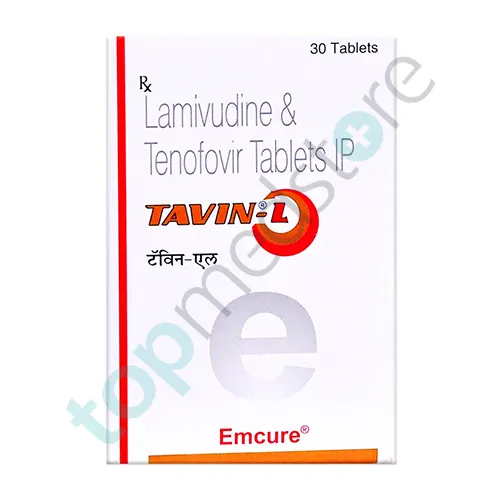
| Product name | Lamivudin-Tenofovir disoproxil fumarate-300mg-300mg |
|---|---|
| Active Ingredient | Lamivudin-Tenofovir disoproxil fumarate |
| Dosage | 300mg-300mg |
| Drug Type | Tablets |
| Indication | HIV Infection |
| Manufacturer | Emcure |
Lamivudin-Tenofovir disoproxil fumarate 300mg-300mg Tablets
In stock
Total $236.10
Lamivudine–Tenofovir 300mg/300mg is a prescription antiviral medicine used to treat HIV infection. It is usually given by an infectious disease specialist as part of a combination treatment plan called antiretroviral therapy (ART).
This medicine contains two antiviral agents. These agents work together to control HIV infection by lowering the amount of virus in the body. It does not cure HIV, but it helps manage the infection and supports long-term immune health.
In simple words, this medicine helps slow down HIV and keeps the virus under control inside the body.
HIV is a virus that attacks the immune system, especially CD4 cells. These are white blood cells that help the body fight infections. When HIV destroys these cells, the immune system becomes weak.
The virus multiplies using an enzyme called reverse transcriptase. This enzyme helps the virus make copies of itself inside the body.
Lamivudine and Tenofovir belong to a group of medicines called NRTIs (nucleoside reverse transcriptase inhibitors). These medicines block the reverse transcriptase enzyme. When this enzyme is blocked, the virus cannot make new copies of itself properly.
As a result, the amount of virus in the blood, called viral load, starts to decrease. When viral load goes down, the immune system becomes stronger and more stable.
In simple words, this medicine helps stop HIV from multiplying so the body’s defense system can recover.
This medicine is mainly used for the treatment of HIV infection in adults. It is always used with other antiretroviral medicines because combination therapy works better than a single drug.
It helps reduce viral load and supports an increase in CD4 cell count, which is important for immunity. It also helps slow down the progression of HIV and reduces the risk of infections that occur when immunity is weak.
In medical practice, an infectious disease specialist uses this medicine for long-term control of HIV so the patient can maintain better health and quality of life.
This medicine works by interfering with the virus’s ability to copy its genetic material. Both Lamivudine and Tenofovir act like building blocks that the virus tries to use while making new copies.
However, when the virus uses these drugs, the copying process gets stopped before it is completed. Because of this, incomplete virus particles are formed, which cannot function or multiply.
Over time, this leads to a reduction in the total number of viruses in the body. As the viral activity decreases, the immune system gets a chance to improve.
In simple words, this medicine blocks the virus’s replication process and reduces infection inside the body.
Some people may experience mild side effects when starting this medicine. These can include nausea, vomiting, stomach discomfort, headache, or tiredness. These symptoms are usually temporary and improve as the body adjusts.
In some cases, digestive changes such as diarrhea or loss of appetite may occur. A few patients may experience dizziness or general weakness during the initial phase of treatment.
Rare but more serious effects can include kidney function changes, which means the kidneys may not filter waste properly. Long-term use may also affect bone strength, leading to reduced bone density. In very rare cases, a condition called lactic acidosis may occur, where acid builds up in the blood and requires urgent medical attention.
Regular monitoring helps reduce the risk of serious side effects.
This medicine should always be taken under the supervision of an infectious disease specialist. It is very important to take it regularly without missing doses, because irregular use can lead to drug resistance, where the virus becomes harder to control.
Doctors usually recommend routine blood tests to check kidney function and monitor viral load. Patients with existing kidney disease, liver problems, or bone-related conditions should inform their doctor before starting treatment.
The medicine should not be stopped suddenly without medical advice, as this may increase viral activity in the body. Consistent use and regular follow-up are essential for effective long-term treatment.
This content is for informational purposes only and does not replace medical advice, diagnosis, or treatment. Always consult your infectious disease specialist before starting or changing any medicine.
$236.10 – $772.80