Acetylcysteine 600mg
$29.10 – $94.80
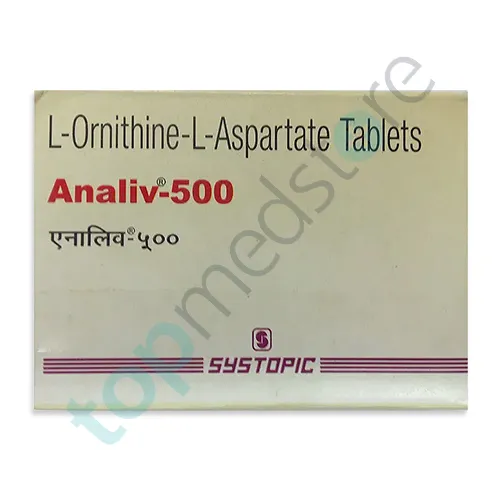
L-Ornithine–L-Aspartate is a prescription liver support medicine used to help reduce high ammonia levels in the blood. It is commonly prescribed by a gastroenterologist or hepatologist (liver specialist) for people with liver cirrhosis, fatty liver disease, chronic liver disease, and hepatic encephalopathy.
The liver acts like the body’s natural cleaning system. It removes toxins and harmful waste products from the blood. One of these waste products is ammonia, which forms when the body breaks down protein from food.
When the liver becomes damaged or weak, it cannot remove ammonia properly. As ammonia levels increase, it may affect the brain and nervous system. This can lead to symptoms such as confusion, poor memory, sleepiness, low concentration, mood changes, and mental tiredness.
This brain-related complication is called hepatic encephalopathy, which means reduced brain function caused by liver disease.
L-Ornithine–L-Aspartate sachets, tablets, syrup, granules, and injections help the body remove excess ammonia more effectively. This supports better liver detoxification and may improve mental alertness in people with chronic liver problems.
Doctors often use this medicine as part of a complete liver care treatment plan along with proper diet, hydration, and lifestyle changes.
L-Ornithine–L-Aspartate helps improve the body’s natural ammonia removal process.
Ammonia is toxic when it builds up in large amounts. In healthy people, the liver converts ammonia into a safer substance called urea. Urea then leaves the body through urine.
This cleaning process is called the urea cycle.
In people with liver disorders such as cirrhosis, hepatitis, alcohol-related liver disease, or fatty liver, the liver may not work properly. As a result, ammonia stays in the bloodstream for longer periods.
High ammonia levels can affect brain cells and reduce normal brain function.
L-Ornithine helps activate the urea cycle inside liver cells. This allows the body to convert more ammonia into urea.
L-Aspartate supports the formation of glutamine, a substance that helps trap ammonia safely and reduce its harmful effects.
Together, these amino acids support ammonia detoxification and improve liver metabolism.
As ammonia levels decrease, patients may experience better concentration, improved mental clarity, reduced confusion, and improved daily functioning.
Doctors may monitor liver function tests and ammonia levels during treatment.
L-Ornithine–L-Aspartate is mainly used for complications linked to liver disease and high ammonia levels.
One important use of L-Ornithine–L-Aspartate sachets or tablets is the treatment of hepatic encephalopathy. This condition happens when liver damage allows ammonia to build up and affect the brain.
The medicine may help improve symptoms like confusion, forgetfulness, irritability, daytime sleepiness, poor attention, and mental slowing.
Doctors may also prescribe this medicine for people with liver cirrhosis, chronic hepatitis, alcoholic liver disease, and fatty liver disease to support liver metabolism and detoxification.
In some patients, it is used as supportive therapy to improve liver function and reduce stress on the liver.
This medicine does not cure liver disease, but it helps manage complications caused by ammonia accumulation.
For better results, treatment is usually combined with healthy eating habits, reduced alcohol intake, regular medical monitoring, and proper liver care.
L-Ornithine–L-Aspartate works by helping the liver and body remove ammonia more efficiently.
After the medicine enters the body, L-Ornithine stimulates the urea cycle in liver cells. This process changes toxic ammonia into urea, which can safely leave the body through urine.
At the same time, L-Aspartate helps produce glutamine. Glutamine binds ammonia and reduces its harmful effects on the brain and nervous system.
Together, these actions lower ammonia levels in the blood and support better liver detoxification.
Lower ammonia levels may improve brain function and reduce symptoms linked to hepatic encephalopathy.
Patients may slowly notice better mental alertness, reduced tiredness, improved focus, and clearer thinking.
Because liver diseases are often long-term conditions, this medicine may need to be used regularly under medical supervision.
Like all medicines, L-Ornithine–L-Aspartate may cause side effects, although many people tolerate it well.
Common side effects include nausea, vomiting, stomach discomfort, bloating, abdominal pain, diarrhea, and digestive upset.
Some patients may feel mild stomach irritation during the beginning of treatment. These symptoms are usually temporary and may improve after the body adjusts to the medicine.
Rare side effects include allergic reactions such as skin rash, itching, redness, or swelling.
Patients with severe kidney disease should use this medicine carefully because amino acid balance and waste removal may be affected.
Doctors may monitor liver and kidney function during long-term treatment.
Seek medical attention if severe vomiting, allergic symptoms, worsening confusion, or unusual body reactions occur.
This content is for educational purposes only and should not replace professional medical advice. L-Ornithine–L-Aspartate should only be used under the supervision of a qualified healthcare professional such as a gastroenterologist or hepatologist. Do not start, stop, or change the dose without medical guidance. Treatment response and safety may vary depending on liver function, ammonia levels, kidney health, metabolic condition, and overall medical status.
| Product name | L-Ornithine-L-Aspartate |
|---|---|
| Category | Liver Health Medicines |
| Shipping offer | Free shipping on orders of $110.00 or more |
$29.10 – $94.80
$41.40 – $135.60
$40.80 – $133.20
$60.60 – $199.20